2025 Guide: How to Choose the Best Ultra Low Freezers for Your Lab Needs
When it comes to modern laboratories, the importance of ultra low freezers cannot be overstated. These specialized freezers are essential for preserving sensitive biological materials, ensuring that critical samples remain viable for research and experimentation. As the demand for precise temperature control and reliability grows, understanding how to select the best ultra low freezers tailored to your specific lab needs becomes increasingly important.
In this guide, we aim to equip you with the fundamental knowledge required to navigate the complexities of choosing an ultra low freezer. Factors such as temperature range, storage capacity, energy efficiency, and safety features will be examined, providing you with a comprehensive overview to make an informed decision. Selecting the right ultra low freezer not only enhances the efficiency of your laboratory processes but also plays a crucial role in preserving the integrity of your valuable samples. By the end of this guide, you will be well-prepared to invest in a solution that meets your lab's unique requirements, ensuring optimal performance and reliability for years to come.
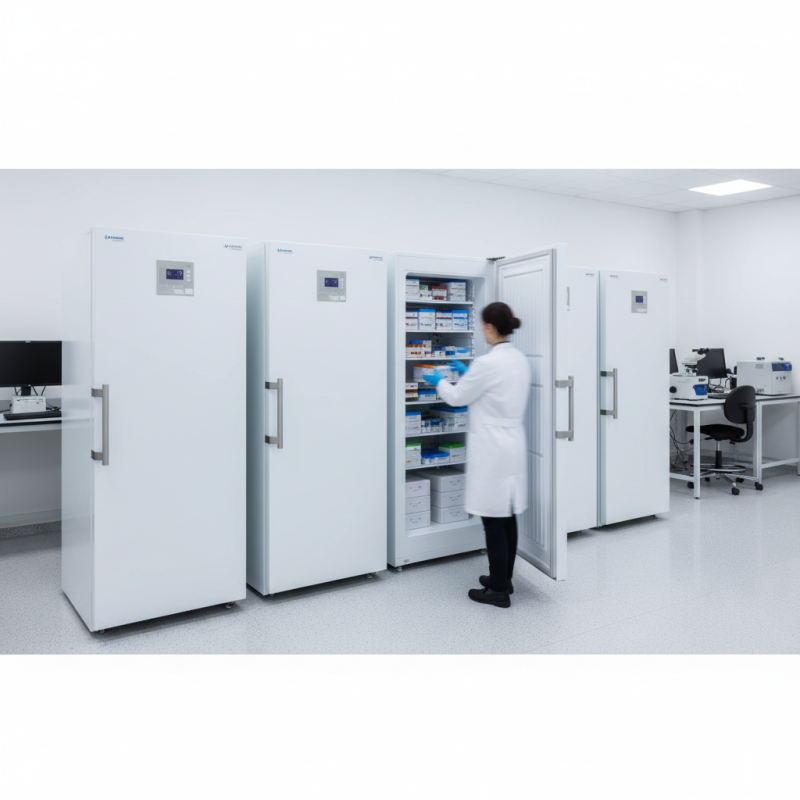
Understanding Ultra Low Freezers: Definition and Key Features
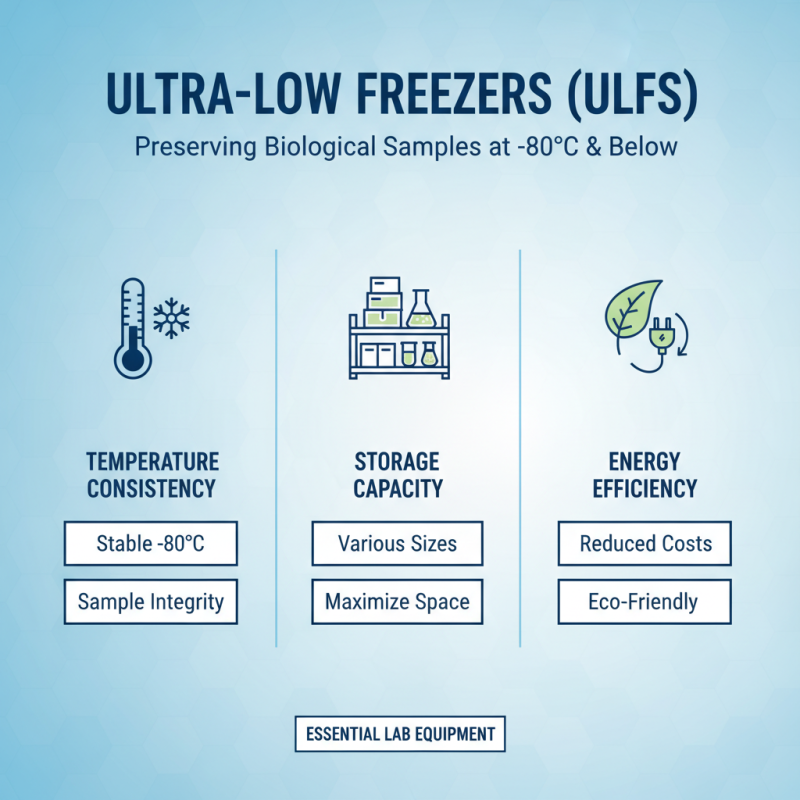
Ultra low freezers (ULFs) are specialized refrigeration units designed to maintain temperatures of -80 degrees Celsius or lower, making them essential for a wide range of laboratory applications, including the preservation of biological samples, reagents, and pharmaceuticals. Understanding the core features of these freezers is crucial for selecting the right model for your lab needs. Key characteristics include temperature consistency, storage capacity, and energy efficiency, which directly impact sample integrity and operational costs.
One of the most significant aspects of ultra low freezers is their advanced temperature regulation systems. Many models utilize digital microprocessor controls to ensure precise temperature monitoring and recovery. Additionally, built-in alarms and remote monitoring capabilities can alert users to any unforeseen fluctuations, safeguarding valuable samples against potential degradation. Another important feature is the interior design, which often includes adjustable shelving and a layout optimized for airflow, allowing for maximum storage space and accessibility while minimizing the temperature variation within the unit.
Temperature Ranges and Specifications for Optimal Preservation
When selecting ultra-low freezers for laboratory needs, understanding temperature ranges and specifications is crucial for optimal preservation. Ultra-low freezers typically operate between -40°C to -86°C, which is essential for the preservation of sensitive biological materials like enzymes, antibodies, and cell lines. According to a report by the International Institute of Refrigeration, maintaining consistent temperatures is vital; even slight fluctuations can significantly compromise sample integrity. For instance, a study by the National Institutes of Health indicated that sample degradation rates can increase dramatically if the temperature varies by just a few degrees over time.
Tips: Always choose a freezer with a temperature alarm system to ensure any fluctuations are immediately addressed. Regular calibration and temperature monitoring can considerably protect stored materials. Additionally, consider the freezer's insulation and door integrity, as these factors can also influence the maintenance of low temperatures.
Another important specification to consider is the freezer's capacity and layout. Choosing a model that allows for optimal organization and easy access can enhance efficiency in lab operations. As per data from the Laboratory Equipment Manufacturers Association, labs benefit from freezers designed with adjustable shelving and compartmentalization, which not only maximizes storage space but also minimizes the risk of temperature spikes due to frequent door openings. Having a properly designed freezer is key to the long-term preservation of invaluable samples.
2025 Ultra Low Freezers Temperature Ranges
This chart shows the distribution of ultra low freezers available in various temperature ranges. As observed, the highest number of models is available at -60°C, making it a popular choice for laboratory needs.
Energy Efficiency Ratings: Choosing Cost-effective Models
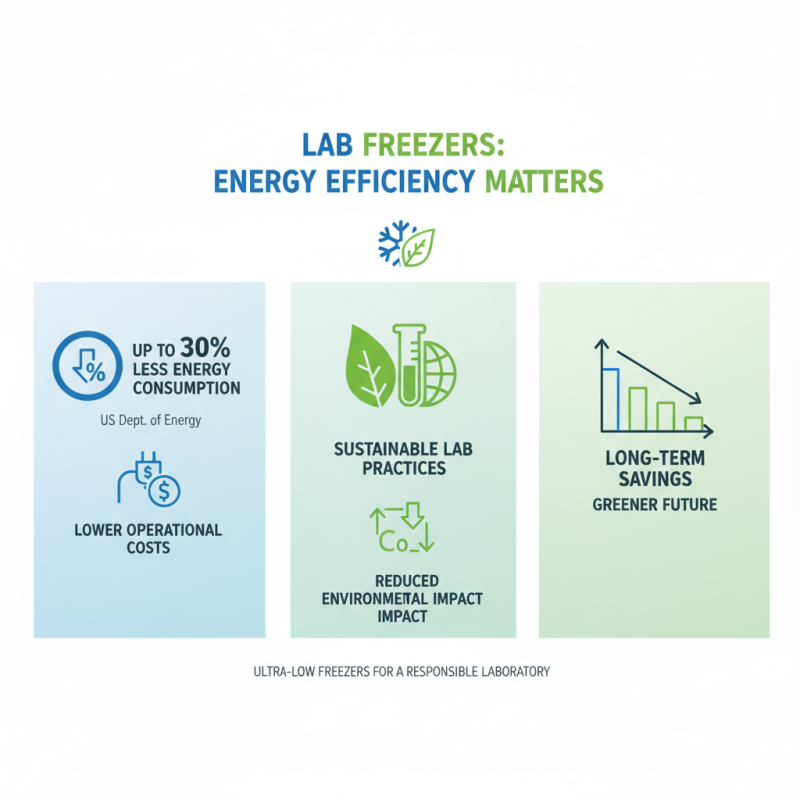
When selecting ultra low freezers for laboratory applications, energy efficiency should be a top priority. According to the U.S. Department of Energy, energy-efficient models can reduce energy consumption by up to 30% compared to standard units. This not only lowers operational costs but also aligns with sustainable practices that many laboratories are striving to implement. In the long run, models with high energy efficiency ratings can significantly mitigate the environmental impact, as laboratories are responsible for a considerable portion of energy consumption in the healthcare sector.
The ENERGY STAR program provides a useful benchmark for identifying cost-effective ultra low freezers. Models that meet or exceed its energy efficiency criteria often showcase advanced insulation, more efficient compressors, and enhanced temperature stability. A recent report from the International Institute for Sustainable Laboratories noted that facilities using ENERGY STAR-rated equipment could save an average of $150 annually per unit. By investing in energy-efficient technology, laboratories not only benefit from reduced energy costs but also contribute to a greener future, optimizing their resources while ensuring reliable storage for crucial samples.
Storage Capacity Options: Matching Freezer Size to Lab Needs
When selecting an ultra-low freezer for laboratory use, one of the most critical factors to consider is storage capacity. Labs vary significantly in size, the type of research conducted, and the volume of materials stored, making it vital to match the freezer size to specific needs. A well-chosen freezer not only optimizes organization but also enhances workflow efficiency, ensuring that samples are easily accessible without compromising their integrity.
Laboratories may require varying storage capacities based on the nature of their work. For instance, a research lab working with a limited number of samples might benefit from a smaller, more compact freezer. In contrast, large-scale facilities dealing with significant quantities of biological materials or hazardous samples will require larger freezers equipped with robust shelving and versatile configurations to accommodate bulk storage. It’s essential to assess current and future storage requirements, taking into account potential expansions in research projects and sample sizes.
Additionally, labs should consider the layout and available space when choosing a freezer. While larger freezers offer greater capacity, they may not fit well within smaller labs or designated work areas. Therefore, a thorough evaluation of both the physical space and the volume of materials to be stored is crucial. By matching the ultra-low freezer’s storage capacity with lab needs, facilities can ensure effective sample preservation and streamlined operations, ultimately contributing to the success of their research efforts.
Maintenance and Reliability: Essential Considerations for Longevity
When selecting an ultra-low freezer for your lab, maintenance and reliability are critical aspects that directly affect the longevity and performance of the unit. Regular maintenance practices such as cleaning the condenser coils, checking door seals, and performing routine temperature calibrations can significantly extend the life of your freezer. Ensuring that the unit is kept in a suitable environment, free from dust and moisture, also aids in minimizing wear and tear.
Moreover, reliability plays an essential role in the overall efficiency of your laboratory operations. A freezer equipped with advanced monitoring systems can promptly alert users to potential issues, preventing costly losses of valuable samples. Understanding the energy consumption and operational costs associated with different models also helps in making a sustainable choice. Ultimately, a well-maintained ultra-low freezer, combined with dependable technology, provides peace of mind as you store sensitive materials for extended periods. Prioritizing these considerations ensures that your lab remains productive and efficient in its research endeavors.
2025 Guide: How to Choose the Best Ultra Low Freezers for Your Lab Needs - Maintenance and Reliability: Essential Considerations for Longevity
| Feature |
Consideration |
Importance |
Expected Lifespan |
| Temperature Range |
Must meet lab requirements |
High |
10-15 years |
| Energy Efficiency |
Lower operating costs |
Medium |
10-20 years |
| Capacity |
Sufficient for sample volume |
High |
10-15 years |
| User Interface |
Ease of monitoring and adjustments |
Medium |
10-15 years |
| Maintenance Requirements |
Availability of service support |
High |
10-20 years |