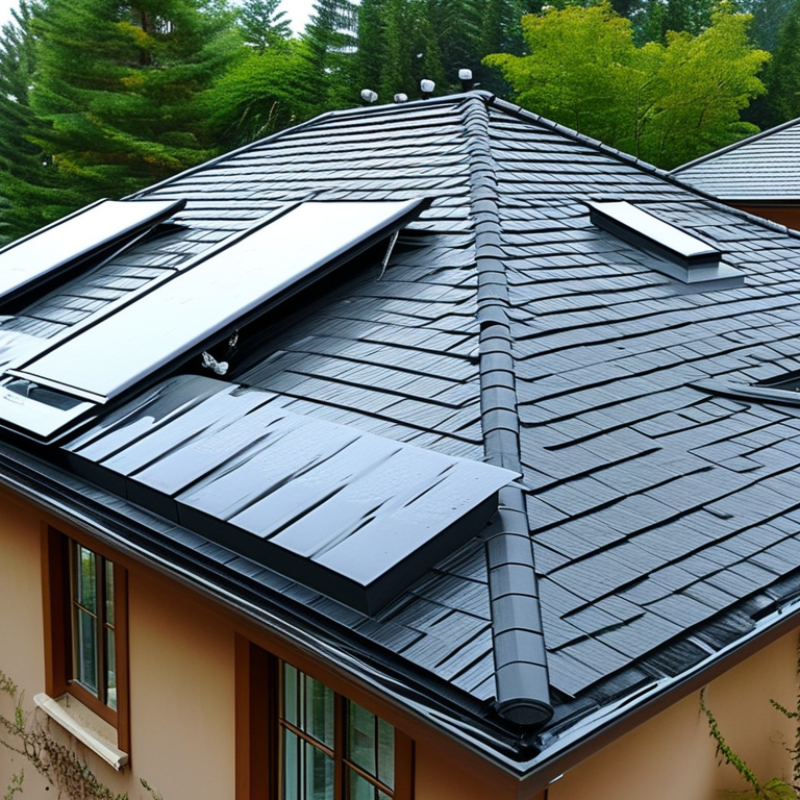
| Panel Material | Corrosion-resistant aluminum alloy is generally suitable for outdoor roof systems. | Common structural alloys include 6000-series aluminum; exact alloy and temper should be confirmed in the technical datasheet. | Use compatible fasteners and isolate dissimilar metals where galvanic corrosion may occur. | Inspect coating damage, oxidation, and fastener corrosion at least twice per year. |
| Louver Profile and Span | Select the profile according to bay width, local wind exposure, snow load, and drainage design. | Typical louver widths are approximately 100–200 mm; unsupported spans commonly require project-specific structural verification. | Verify frame level, support spacing, expansion gaps, and fixing locations before installing panels. | Do not place concentrated loads on closed or open louvers unless the system is specifically designed for access loads. |
| Weather Resistance | The complete roof assembly should be assessed for wind, rain, snow, hail, ultraviolet exposure, and thermal movement. | Performance depends on panel geometry, seals, drainage channels, frame anchorage, and local environmental conditions. | Seal joints and end conditions according to the system instructions; provide positive drainage to an approved outlet. | After severe weather, check panel alignment, seals, drainage paths, brackets, and motor connections. |
| Wind Design | Use site-specific wind-speed data and applicable local building regulations rather than a generic rating. | Design checks may include positive pressure, suction, uplift, torsion, anchorage, and operating-position limits. | Anchor posts and beams to a verified structural base; confirm edge distances and fixing torque. | Close and secure the roof when the control system indicates wind conditions exceed the approved operating limit. |
| Snow and Ice Load | Snow-load suitability must be calculated for the project location and roof configuration. | Load capacity varies with louver size, support spacing, panel angle, temperature, and accumulated snow or ice. | Provide adequate structural support and confirm whether louvers must remain open or closed during snow events. | Remove excessive snow only by an approved method; never use sharp tools or apply unauthorized de-icing chemicals. |
| Louver Opening Angle | Choose a system that provides the required balance of daylight, ventilation, shade, and rain protection. | Many motorized systems offer a continuously adjustable range up to approximately 90 degrees, subject to design. | Set mechanical stops and synchronize louvers before final commissioning. | Operate only within the manufacturer-approved angle range and stop immediately if panels bind or move unevenly. |
| Drainage and Guttering | Integrated gutters and downpipes should be sized for the local rainfall intensity and roof catchment area. | Drainage capacity depends on gutter cross-section, outlet size, roof slope, rainfall intensity, and blockage risk. | Maintain continuous falls toward outlets and test drainage with clean water before handover. | Remove leaves and debris from gutters and outlets at least twice annually and before the wet season. |
| Motor and Drive System | The actuator, gearbox, wiring, and control system should be rated for the intended outdoor environment. | Common systems use low-voltage DC or mains-powered motors with limit switches, overload protection, and manual override. | Electrical work must comply with local regulations and be completed by a qualified electrical professional. | Check unusual noise, slow movement, overheating, cable damage, and limit-switch operation during scheduled inspections. |
| Electrical Protection | Use grounding, overcurrent protection, residual-current protection where required, and weather-rated enclosures. | Voltage, frequency, ingress protection, and control compatibility must match the destination country's electrical requirements. | Protect cables from water accumulation, sharp edges, UV exposure, and mechanical damage. | Isolate power before servicing; inspect junction boxes, glands, grounding conductors, and protective devices. |
| Installation Tolerances | The supporting structure must be plumb, level, square, and capable of carrying all calculated loads. | Permitted tolerances must follow the project drawings and system instructions; do not force misaligned components into position. | Measure diagonals, post positions, beam levels, panel clearances, and fastener torque before commissioning. | Recheck alignment after the first operating cycle and after major temperature or weather changes. |
| Thermal Expansion | Allow movement in long aluminum members and avoid rigidly restraining components that require expansion clearance. | Movement is affected by member length, temperature range, material, joint design, and fixing method. | Install expansion joints, sliding connections, and flexible seals where shown in the engineering design. | Look for buckling, joint separation, seal cracking, or rubbing sounds during seasonal inspections. |
| Surface Finish | Specify a finish suitable for the exposure category, cleaning regime, and required appearance. | Common options include anodized or powder-coated aluminum; coating thickness and testing should be documented. | Avoid cutting or drilling visible surfaces where possible; repair exposed metal with an approved compatible coating. | Clean with water and a mild, pH-neutral detergent; avoid abrasive pads, strong acids, and chlorine-based cleaners. |
| Noise and Vibration | The drive system should operate smoothly without excessive vibration, rattling, or impact at the end of travel. | Noise depends on motor type, gearbox condition, panel alignment, wind, mounting rigidity, and lubrication requirements. | Tighten connections evenly and prevent metal-to-metal contact at moving interfaces. | Investigate new noise immediately; do not continue operation if vibration could damage the drive or frame. |
| Cleaning Frequency | Cleaning frequency should reflect pollution, salt exposure, pollen, dust, and nearby vegetation. | A general starting point is every 6–12 months; coastal, industrial, or heavily polluted locations may require more frequent cleaning. | Provide safe access and avoid walking on unsupported louvers or wet surfaces. | Rinse loose dirt first, wash with mild detergent, rinse thoroughly, and dry or allow to air-dry without abrasive wiping. |
| Inspection Schedule | Document routine inspections and retain records for the building owner or facility manager. | Perform visual checks monthly or quarterly, detailed maintenance at least annually, and post-storm inspections when necessary. | Complete commissioning records, electrical test results, drainage tests, and operating-control checks at handover. | Record defects, corrective actions, replacement parts, dates, and responsible personnel. |
| Safety and Access | Risk assessment, fall protection, lockout procedures, and safe access equipment are essential for installation and servicing. | Applicable occupational safety, electrical, structural, fire, and local building requirements must be followed. | Keep personnel clear of moving louvers and isolate electrical power before working on motors or controls. | Restrict access during maintenance and replace guards, covers, and safety labels before returning the system to service. |
| Documentation for Import and Handover | Request complete technical, installation, electrical, warranty, and spare-parts documentation before purchase. | Useful documents include drawings, material specifications, load calculations, wiring diagrams, test reports, manuals, and packing lists. | Verify delivered quantities, dimensions, accessories, and serial or batch records against the approved order. | Store manuals, maintenance logs, finish codes, replacement-part information, and emergency contact details on site. |