Aegis provides affordable, low power Wi-Fi sensor network solutions that make a ubiquitous sensing world come alive and a full line of controlled temperature cabinets. Laboratory, Pharmacy and Chromatography refrigerators and freezers which are designed to meet the dimensional and temperature requirements of the scientific community.

What Are the Best Bird Control Spikes from China?
Choosing the best Bird Control Spikes from China requires more than comparing prices or product photos. A reliable decision begins with the site itself. Roof edges, warehouse beams, signs, ledges, and solar panels create different bird-perching problems. A narrow stainless steel strip may suit a shop awning, while a wider, multi-row design may protect a factory roof. The details matter.
Chinese manufacturers offer many options, including stainless steel, polycarbonate, and mixed-material systems. Stainless steel usually provides stronger resistance against sunlight, rain, and temperature changes. Polycarbonate bases can be lighter and easier to shape around uneven surfaces. However, material names alone prove little. Buyers should check wire thickness, base flexibility, adhesive quality, packaging, and production consistency. Ask for samples.
Experience also reveals practical weaknesses. Some spikes look strong but loosen after repeated storms. Others have sharp edges, poor spacing, or bases that do not bond well to dusty concrete. These problems are easy to miss in a catalogue. A dependable supplier should provide clear specifications, installation guidance, quality records, and responsive communication. Factory audits, sample testing, and independent inspections can add confidence before a large order.
There is no single best product for every building. That conclusion is easy, but incomplete. The right Bird Control Spikes should discourage landing without creating unnecessary hazards for people, pets, or protected wildlife. Buyers should also review local building and animal-protection requirements. This guide compares Chinese products through material performance, design, installation, supplier credibility, and long-term value. It also considers a less comfortable question: is the cheapest option still economical after repairs, replacements, and failed installation?
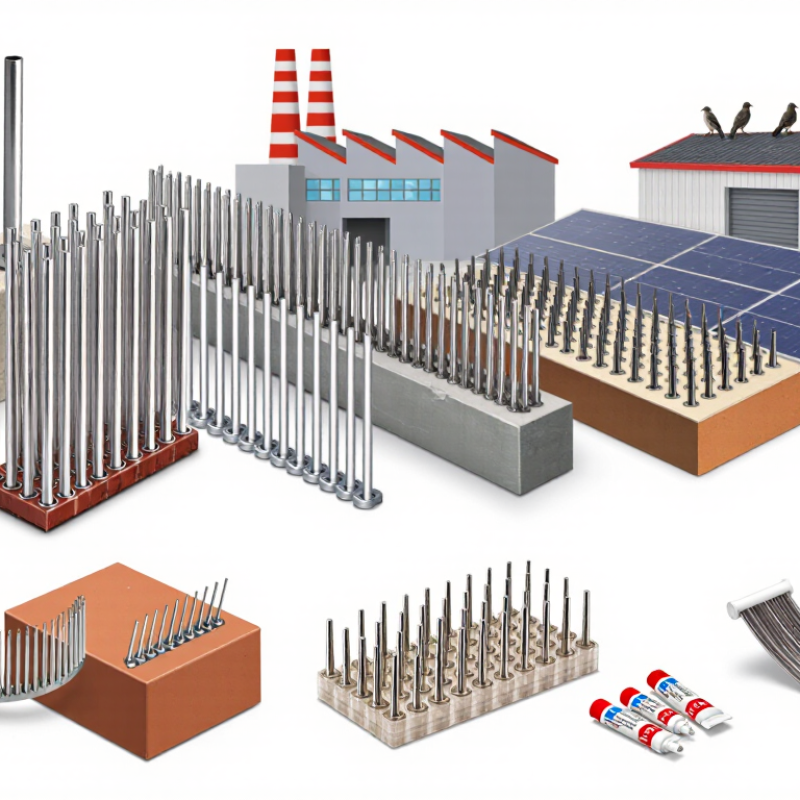
Table of Contents [Hide]
Types of Bird Control Spikes Manufactured in China
What Are the Best Bird Control Spikes from China?
Chinese manufacturers produce several practical types of bird control spikes for commercial and residential buildings. Stainless steel spikes suit coastal areas, food facilities, and exposed rooftops. They resist corrosion and usually keep their shape under strong sunlight. Galvanized steel models cost less and work well on warehouse beams, signs, and ledges. However, damaged coating may eventually allow rust to appear.
Plastic or polycarbonate spikes offer a lighter option for tiles, narrow shelves, and decorative surfaces. Their transparent or low-visibility bases can reduce visual impact near entrances. Some factories also make mixed-material designs, combining stainless steel wires with UV-resistant plastic bases. Base width matters. A narrow base fits window ledges, while a wider base covers deep parapets more effectively.
From my experience reviewing outdoor hardware, manufacturers in China often provide flexible lengths, adjustable wire spacing, and adhesive or screw-fixed bases. Product quality depends on wire thickness, base strength, and consistent assembly. Ask for material reports, salt-spray results, UV testing, and sample inspections before placing a large order. Small details matter. I have seen attractive spikes fail because the adhesive surface was dusty or the base warped in heat. No design suits every building. Bird species, ledge depth, cleaning access, and local weather should guide the final selection.
Contact Us
Phone
Toll Free: 1-800-796-2344
OH: 513 204 5837
PA: 215-281-9180
support@site_367d8ed1-a876-442b-a1d7-b1fc1cf4ed19