Aegis provides affordable, low power Wi-Fi sensor network solutions that make a ubiquitous sensing world come alive and a full line of controlled temperature cabinets. Laboratory, Pharmacy and Chromatography refrigerators and freezers which are designed to meet the dimensional and temperature requirements of the scientific community.

Top Facial Analysis Machines for Global Buyers
Facial Analysis Machine technology is reshaping how clinics, salons, and beauty retailers evaluate skin condition. Modern systems capture high-resolution facial images, then estimate concerns such as wrinkles, pigmentation, pores, redness, and hydration. The experience feels simple: a client sits under controlled lighting while the device records several angles within seconds.
Market reports show strong momentum. Grand View Research valued the global facial recognition market at USD 5.71 billion in 2021 and projected continued expansion through 2030. MarketsandMarkets also forecasts rapid growth in AI-based computer vision applications. These figures do not measure beauty analysis machines directly. They indicate the broader infrastructure supporting image-based assessment.
Accuracy still needs careful interpretation. NIST computer scientist Patrick Grother has emphasized, “There is no single number for accuracy.” That warning matters for global buyers. A machine tested on one skin-tone range, camera setup, or age group may perform differently elsewhere. Real purchasing decisions should examine validation methods, lighting controls, data security, software updates, and after-sales training.
Look beyond impressive screens.
The best Facial Analysis Machine should produce consistent images, understandable reports, and practical treatment references. It should also support informed professional judgment, rather than replace it. Some product claims remain difficult to verify, especially when suppliers publish no independent testing. That is an uncomfortable limitation, but it deserves attention.
This guide compares leading systems for international buyers. It considers measurement depth, workflow, usability, compliance readiness, and total ownership cost. The goal is not to crown one universal winner. Different clinics need different tools.
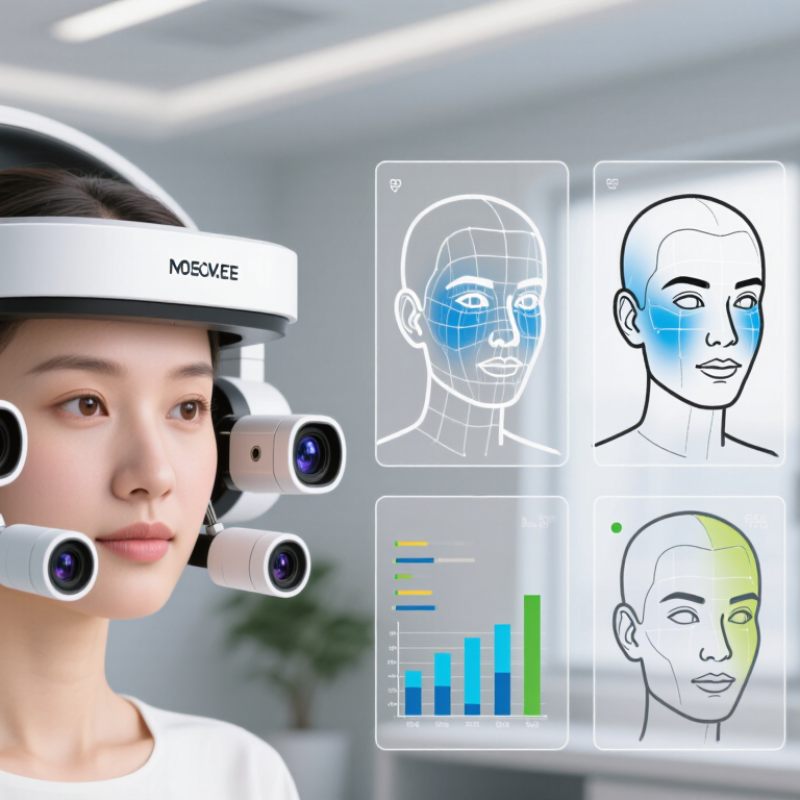
Table of Contents [Hide]
What Facial Analysis Machines Measure and How They Work
Top Facial Analysis Machines for Global Buyers
Facial analysis machines measure visible and near-visible skin conditions. Common readings include hydration, oil, pore appearance, wrinkles, pigmentation, redness, and texture. Some systems also estimate sensitivity risks from uneven tone or barrier-related dryness. A 2024 report by Grand View Research identifies rising demand for personalized skincare devices, supported by consumers seeking measurable treatment guidance. These machines usually combine controlled lighting, high-resolution cameras, polarized filters, and image-processing software. The device captures several facial images. Its algorithm then compares patterns against reference datasets. Results may appear as color maps, scores, or age-related estimates.
Briefly, it turns skin into data.
Accuracy depends on calibration, room lighting, camera distance, and skin preparation. A face covered with sunscreen can produce different readings from freshly cleansed skin. Darker environments may also distort color analysis. The European Commission’s 2023 report on artificial intelligence stresses the importance of reliable data, human oversight, and transparent system limits.
That matters here. An experienced consultant should confirm machine findings through direct observation and customer history. The result is guidance, not a medical diagnosis. Even hydration scores are relative. They can shift during the day. Buyers should request independent test results, repeatability data, privacy controls, and clear explanations of scoring methods. Some claims still need stronger evidence. That is worth questioning.
Contact Us
Phone
Toll Free: 1-800-796-2344
OH: 513 204 5837
PA: 215-281-9180
support@site_367d8ed1-a876-442b-a1d7-b1fc1cf4ed19