Aegis provides affordable, low power Wi-Fi sensor network solutions that make a ubiquitous sensing world come alive and a full line of controlled temperature cabinets. Laboratory, Pharmacy and Chromatography refrigerators and freezers which are designed to meet the dimensional and temperature requirements of the scientific community.

What Is the Best Type of Fire Rated MDF in 2026?
Choosing the best Fire Rated Mdf in 2026 is not simply a matter of picking the panel with the highest claimed rating. Products vary in thickness, core composition, surface finish, and verified performance. More importantly, a board’s test result does not automatically establish the fire performance of a finished wall, door, or cabinet. The complete construction, including joints and fixings, matters.
A reliable comparison begins with the intended use. Check the product’s current technical data, test documentation, and applicable classification for the project. Confirm that the stated rating matches the required assembly and installation conditions. Ask how the board behaves after cutting, drilling, or applying a decorative finish; these details can affect the finished system. Also consider moisture exposure, machining quality, emissions information, and whether the supplier can provide consistent documentation. That matters.
In this guide, we’ll compare common Fire Rated Mdf options by performance, practical handling, and suitability for different interiors. We’ll also explain which claims deserve a closer look and what questions to ask before ordering. A specification sheet can look reassuring. Still, I would not rely on a product label alone. Exact requirements differ by application, and product ranges can change, so verify the latest documents with the manufacturer and a qualified building professional. The right choice is the one supported by evidence and suited to the real installation—not merely the one with the boldest headline.
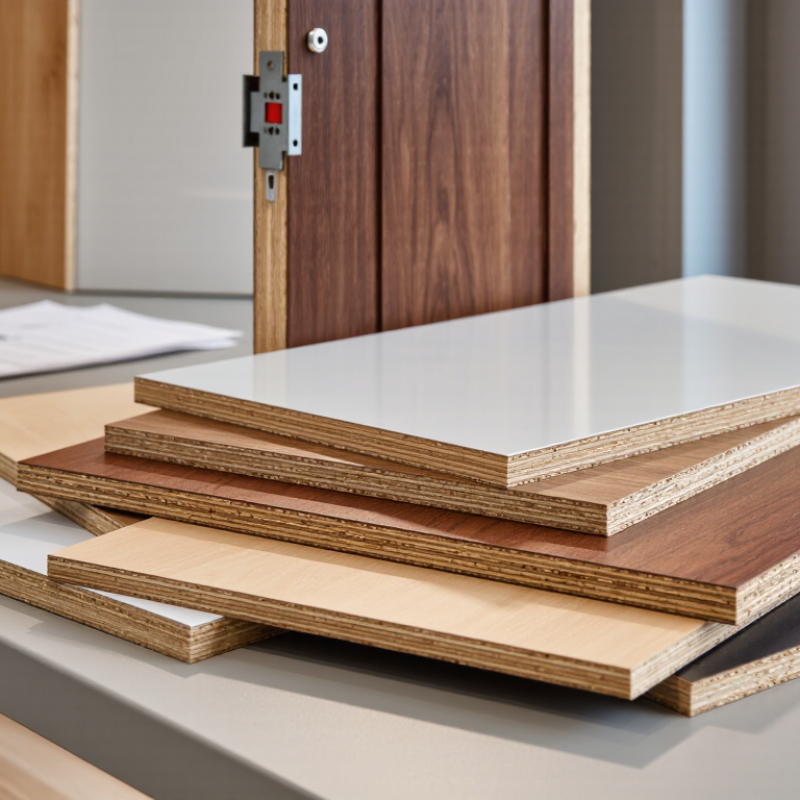
Table of Contents [Hide]
What Fire-Rated MDF Is and How It Resists Fire
Fire-rated MDF is a medium-density fibreboard made with fire-retardant additives. These additives help slow ignition and flame spread compared with standard MDF. They do not make the board non-combustible. It can still burn, and smoke may still be produced.
The treatment works through the board’s composition, helping it resist heat and delay combustion. In a fire test, performance depends on factors such as board thickness and the test method. A rating applies to the tested product and conditions, not automatically to every wall or cabinet made from it. Not fireproof.
On site, a cut edge or drilled hole exposes the board’s core. Careful installation matters, but coatings or neat workmanship cannot replace documented test results. Check the product’s declared classification and intended use against local project requirements. A label alone is not the whole answer. I would also confirm whether the rating applies to the board by itself or to a complete tested assembly. That distinction is easy to miss, and I have seen it cause confusion during specification reviews.
Contact Us
Phone
Toll Free: 1-800-796-2344
OH: 513 204 5837
PA: 215-281-9180
support@site_367d8ed1-a876-442b-a1d7-b1fc1cf4ed19