Aegis provides affordable, low power Wi-Fi sensor network solutions that make a ubiquitous sensing world come alive and a full line of controlled temperature cabinets. Laboratory, Pharmacy and Chromatography refrigerators and freezers which are designed to meet the dimensional and temperature requirements of the scientific community.

What Is the Best Type of Gas Grill to Buy?
Choosing the best Gas Grill is less about chasing the biggest flame and more about matching the grill to your cooking habits. A compact two-burner model may suit a balcony or small patio. A larger four-burner grill offers separate heat zones for burgers, vegetables, and slow-roasted chicken. Your available space matters. So does your patience.
Steven Raichlen, an award-winning barbecue authority, describes the grill as “the new hearth.” That idea is useful here. A Gas Grill should fit naturally into your outdoor routine, not become an expensive object that gathers dust. In practical testing, look for sturdy lid hinges, even burner performance, and grates that hold steady heat. Stainless steel can resist weather, but its quality varies widely. Cast-iron grates sear beautifully, yet they demand regular oiling. Convenience always has a trade-off.
I once assumed higher BTU ratings meant better grilling. That was an incomplete judgment. Heat distribution, burner control, and lid insulation often matter more. A useful comparison should examine cooking space, temperature range, ignition reliability, grease management, cleaning effort, warranty coverage, and replacement-part availability. These details appear after the first meal, usually when the wind rises or grease reaches the firebox.
There is no universal winner. The right choice depends on your meals, climate, budget, and willingness to maintain equipment. This guide compares the main Gas Grill types carefully, while leaving room for one uncomfortable truth: even an excellent grill cannot repair careless heat control.
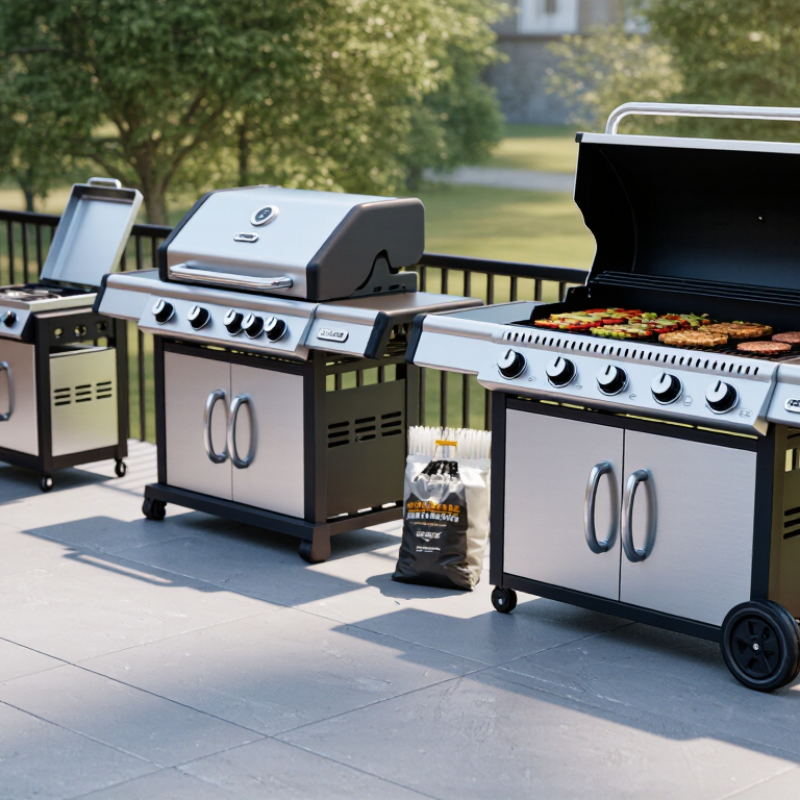
Table of Contents [Hide]
Gas Grill Types and How They Differ
Choosing the best gas grill starts with understanding its type. Freestanding grills suit most patios because they include a cart, storage, and flexible placement. They usually run on liquid propane, although some models connect to a natural gas line. Built-in grills create a clean outdoor kitchen appearance. However, installation requires a stable counter, proper ventilation, and a professionally checked gas connection.
Portable Gas Grills work well for balconies, tailgating, or small households. Their cooking surfaces are smaller, so crowded food can cook unevenly. Infrared gas grills produce intense, direct heat and sear meat quickly. They may also demand closer attention because food can burn within minutes. In my experience, a larger burner layout offers better control than impressive maximum heat. I have also underestimated warm-up time on compact grills. That mistake changed how I compare specifications.
Tips: Measure your space before shopping. Check fuel availability and hose length. Look for separate burner controls, a sturdy lid, and removable grease parts. A built-in thermometer helps, but it should not replace checking food with a reliable thermometer. For frequent cooking, choose durable grates and accessible replacement parts. For occasional use, a simple freestanding model may provide better value. Keep the grill outdoors, away from walls and overhead materials, and inspect connections for damage before lighting. Small details matter.
Contact Us
Phone
Toll Free: 1-800-796-2344
OH: 513 204 5837
PA: 215-281-9180
support@site_367d8ed1-a876-442b-a1d7-b1fc1cf4ed19