How to Choose the Best Portable Refrigerator Freezer for Your Needs?
Choosing the right portable refrigerator freezer can make a big difference in your outdoor adventures and day-to-day life. These appliances offer convenience, keeping your food and drinks cold while you're traveling, camping, or enjoying a picnic. However, selecting the best one for your needs is not always straightforward.
Consider your storage requirements, energy efficiency, and portability. Some models may seem ideal but fall short in real-world usage. For example, a lightweight unit might lack sufficient capacity for a family trip. On the other hand, a larger model could be cumbersome to transport.
Additionally, reliable brands and customer reviews can guide your decision. However, not all reviews are honest or accurate. So, remain critical and seek expert opinions as you navigate your options. A portable refrigerator freezer should fit seamlessly into your lifestyle, enhancing your experiences while ensuring your food stays fresh and safe.
Understanding Your Cooling Needs and Requirements
When selecting a portable refrigerator freezer, it's crucial to understand your cooling needs. Consider factors such as the duration of use, climate conditions, and the types of food and beverages you'll store. According to a report by the Appliance Standards Awareness Project, the energy efficiency of portable refrigerators can vary significantly, with some models consuming up to 50% more power than others. This impacts both running costs and environmental sustainability.
One common mistake is underestimating storage capacity. For instance, while a model may seem spacious, its internal configuration might not maximize usable space. A study by the American Council for an Energy-Efficient Economy (ACEEE) suggests that many users experience frustration due to inadequate organization. Choosing models with adjustable shelves or compartments can enhance flexibility, allowing for better utilization of space.
Temperature control is another essential aspect. The ideal temperature for frozen goods is around -18°C (0°F). A deviation can lead to spoilage. Some portable refrigerators offer advanced features like digital thermostats, providing precise temperature management. However, these features can add complexity. Reviews often highlight the difficulty in troubleshooting when problems arise due to such technology. Balancing advanced features against ease of use is vital in making the right choice.
Evaluating Size and Capacity of Portable Refrigerators
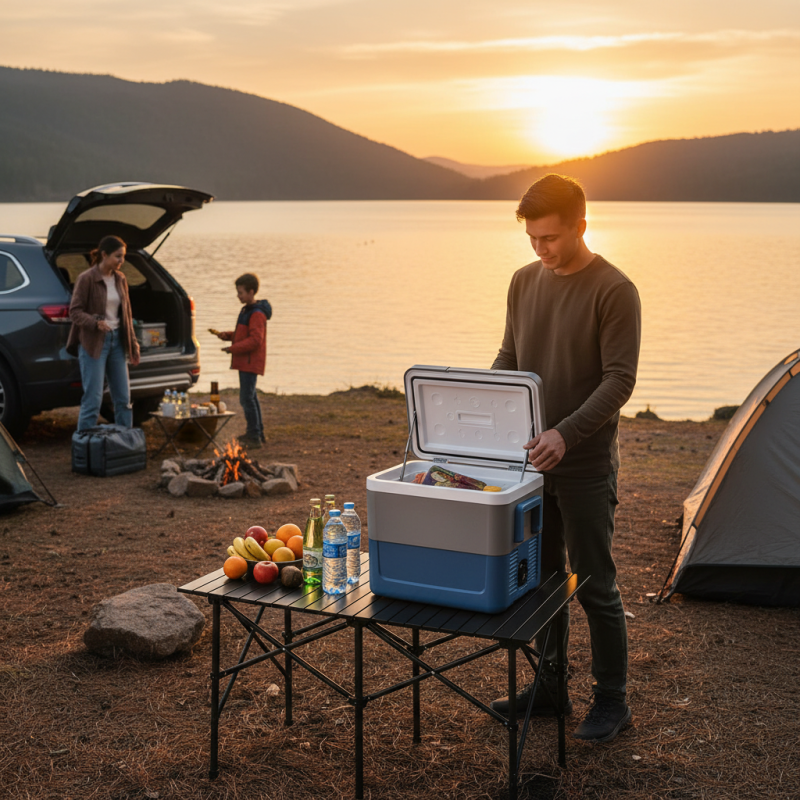
When selecting a portable refrigerator freezer, size and capacity are crucial factors. Begin by assessing how much space you have available for the unit. Consider your vehicle or camping area dimensions. A compact unit may fit better but might limit storage.
Evaluate your needs. Will you need to store food for a family, or just snacks for one? Larger families often require units with more capacity. Keep in mind that crowded storage can lead to poor cooling. Allow space for airflow within the refrigerator.
Tips: Always check the cubic feet capacity. A 30-liter fridge can hold about 40 cans. If you're using it for longer trips, consider extra space for ice, beverages, or perishables.
Find a balance between size and weight. A lightweight model is easier to transport, especially when you're on the go. Remember, portability can sometimes mean sacrifices in space. Ask yourself if those sacrifices work for your trips.
Exploring Different Power Sources for Refrigeration
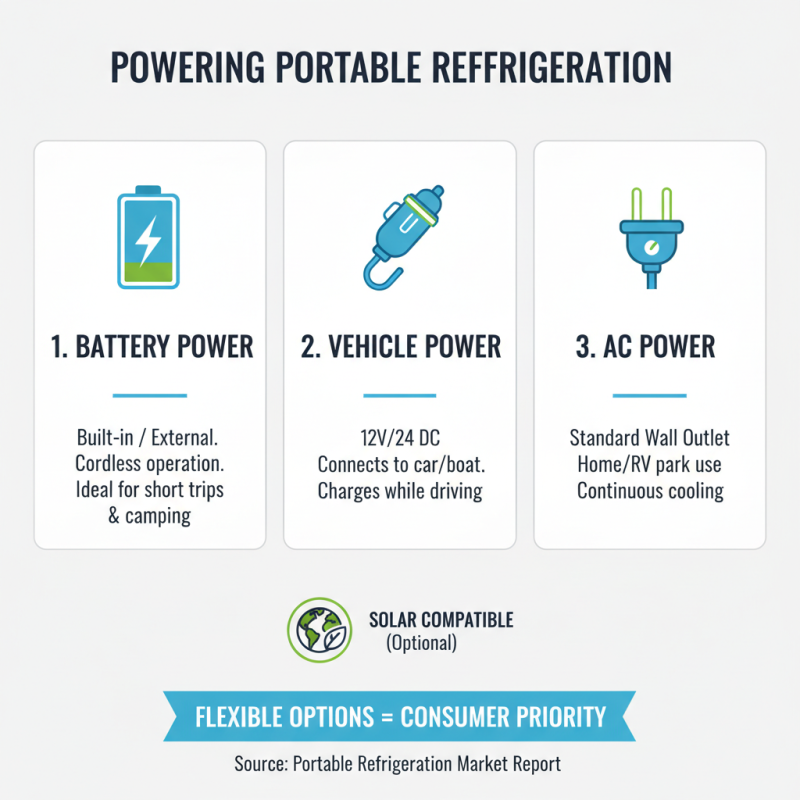
When selecting a portable refrigerator freezer, understanding the power sources is crucial. Different users have varying needs, and their choices can significantly impact performance and usability. According to the Portable Refrigeration Market Report, flexible power options have become a priority for consumers.
Battery-operated models offer great convenience for camping trips. They provide a reliable solution, especially in remote areas. However, battery life can be a concern. Users often find themselves running out of power sooner than expected. Many models currently on the market run for about 12 to 48 hours on a single charge. This variability can lead to inconvenient moments on longer outings.
Solar-powered refrigerators are increasingly popular, especially among eco-conscious consumers. These units utilize renewable energy, making them an attractive option. Data suggests that solar-powered models can remain operational indefinitely as long as sufficient sunlight is available. However, potential limitations include downtime during cloudy days or bad weather. Users must weigh these factors to decide if solar energy aligns with their lifestyle needs. Keeping these power sources in mind helps in making informed decisions.
Comparing Features: Freezer Functionality and Temperature Control
Choosing the right portable refrigerator freezer requires careful consideration of freezer functionality and temperature control. These features determine how well the unit meets your individual needs, especially in variable environments. A recent industry report suggests that around 70% of users prioritize efficient temperature control as a key factor in their purchasing decision. Freezers can have diverse temperature ranges, often from -4°F to 64°F. This range impacts food preservation significantly.
It is important to look at how quickly a unit can reach its designated temperature. Some models can cool down in under 30 minutes, while others may take hours. This is crucial when you're on the go. Another aspect to assess is the insulation quality. High-quality insulation can keep the temperature stable and reduce energy consumption. According to experts, effective insulation can decrease energy usage by up to 30%.
Tips: When browsing options, consider features like dual-zone cooling and built-in temperature management systems. These features provide versatility and help enhance food safety. Reflect on how you plan to use the freezer. A unit that is too large may lead to wasted energy, while a smaller one might not meet your needs. Understanding these aspects can lead to smarter decisions when selecting a portable refrigerator freezer.
Portable Refrigerator Freezer Comparison: Features and Performance
Analyzing Budget Considerations and Brand Reliability
When considering a portable refrigerator freezer, budget plays a significant role. Determine your spending limit early. High-end models offer advanced features, while more economical options still meet basic needs. A careful analysis of your requirements helps allocate funds effectively. Aim for balance; the cheapest option may not provide durability or performance.
Brand reliability is equally crucial. Research company history and customer reviews. Brands with longstanding reputations often indicate quality and reliability. Look for warranties as indicators of brand confidence in their products. However, new brands can offer competitive features at lower prices. Weigh pros and cons objectively.
Reflect on your actual needs versus wants. Are you looking for more storage space or energy efficiency? Sometimes, advertised features can create unrealistic expectations. Evaluate if you genuinely need extra capacity or if a smaller model would suffice. Assessing these factors can lead to better decision-making.