Aegis provides affordable, low power Wi-Fi sensor network solutions that make a ubiquitous sensing world come alive and a full line of controlled temperature cabinets. Laboratory, Pharmacy and Chromatography refrigerators and freezers which are designed to meet the dimensional and temperature requirements of the scientific community.

How to Choose the Best Backsplash in 2026?
Choosing the best backsplash in 2026 requires more than matching a popular color. A successful Back Splash must handle heat, moisture, cleaning, and daily wear. It should also support the room’s lighting and overall character. Glossy porcelain may brighten a narrow kitchen, while textured stone can add warmth beside natural wood cabinets. However, texture often traps grease. That detail is easy to miss.
Current design options include large-format porcelain, handmade-look ceramic, recycled glass, and responsibly sourced natural stone. Each material has different sealing, cutting, and maintenance requirements. Always check the manufacturer’s technical information before ordering. Experienced installers can also identify wall movement, uneven surfaces, and difficult outlet locations before problems appear. Those details affect both cost and appearance.
A sample is not the whole story. View it near your countertop, under daytime light, and beneath warm evening bulbs. Very small samples can hide strong variation. No choice is perfect. A dramatic marble pattern may look impressive but demand regular care. A simple tile may perform better and age more gracefully. Consider grout width, splash height, cleaning habits, and replacement availability. In 2026, the smartest choice will balance visual appeal with practical evidence, reliable installation, and honest expectations. Trends change quickly. Kitchens remain.
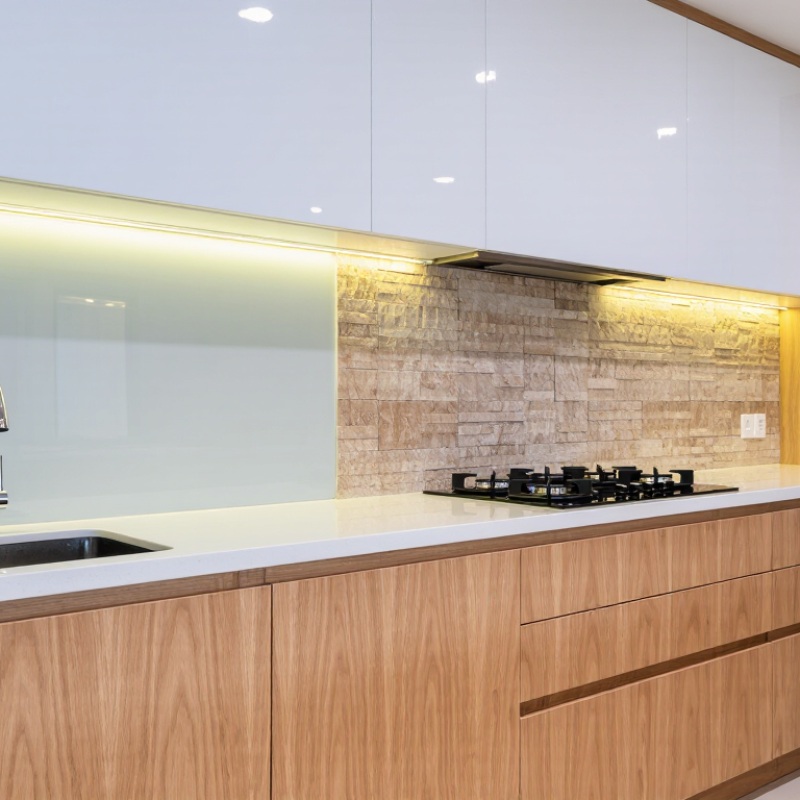
Table of Contents [Hide]
Define Use Conditions: Heat, Moisture, Cleaning, and Cooking Exposure
How to Choose the Best Backsplash in 2026?
In 2026, backsplash selection should begin with use conditions, not color trends. Watch your kitchen for a full week. Where does steam settle? How close is the wall to the cooktop? A beautiful surface can fail when daily exposure is underestimated. I once preferred a textured finish, then noticed oil collecting in its tiny grooves. It looked refined, but cleaning became irritating.
Heat exposure matters near gas, electric, or induction cooking areas. Choose a surface rated for the expected temperature, and follow professional installation requirements. Keep combustible materials away from high-heat zones. Moisture requires different attention. Around sinks and kettles, use low-absorption tile and properly sealed joints. Poorly sealed grout can darken, loosen, or hold odors. Small gaps matter.
Cleaning habits should guide the finish. Frequent frying creates an oily film that glossy, smooth surfaces usually release more easily. Avoid deeply ridged patterns unless you accept detailed scrubbing. Test a sample with water, cooking oil, and a mild cleaner before ordering. Natural stone may need periodic sealing, while some ceramic and porcelain surfaces need less maintenance. Acidic foods can affect sensitive finishes. Read the care instructions carefully. I sometimes choose the easiest surface, not the most fashionable one. That compromise feels sensible, although it can make the design less distinctive.
How to Choose the Best Backsplash in 2026? - Define Use Conditions: Heat, Moisture, Cleaning, and Cooking Exposure
| Backsplash Material | Heat Exposure | Moisture Resistance | Cleaning and Stain Performance | Cooking Exposure Suitability | Installation and Maintenance Factors | Best Use Conditions |
|---|---|---|---|---|---|---|
| Glazed Ceramic Tile | Generally suitable for normal cooking heat when installed with appropriate clearances and grout. | The glazed face is highly resistant to water; joints may still absorb moisture unless properly grouted and maintained. | Smooth glazed surfaces are easy to wipe and usually resist common food stains. Textured surfaces require more attention. | A versatile choice for areas behind sinks, worktops, and many cooktops. | Many shapes and colors are available. Grout lines require periodic cleaning and may need resealing depending on grout type. | Everyday kitchens with moderate heat, moisture, and cleaning demands. |
| Porcelain Tile | Suitable for typical kitchen heat; follow the cooktop manufacturer's clearance requirements. | Very low water absorption when certified as porcelain, making it suitable for splash-prone areas. | Dense surfaces are resistant to moisture and many household stains. Matte textures can hold grease more readily than smooth finishes. | Well suited to busy cooking zones, including areas exposed to steam and splashes. | Hard and durable, but cutting and drilling can require specialized tools. Grout still needs routine care. | High-use kitchens requiring low water absorption and strong surface durability. |
| Tempered Glass Tile | Suitable for normal backsplash conditions, but avoid sudden temperature changes and direct flame contact. | Non-porous glass resists water absorption; grout joints remain the main moisture-sensitive areas. | The smooth surface is easy to wipe and does not readily absorb food stains. Limescale may be visible in hard-water areas. | Good for sinks and light-to-moderate cooking exposure; use product-specific guidance near high-heat appliances. | Reflects light and supports modern designs. Scratches, chips, and visible fingerprints may be concerns depending on finish. | Decorative backsplashes, sink walls, and kitchens where easy surface wiping is important. |
| Natural Stone | Many stone tiles tolerate normal kitchen heat, but thermal shock and direct heat can damage some stones or finishes. | Porosity varies widely. Marble, limestone, and travertine commonly require sealing and careful moisture management. | Some stones can absorb oil, acids, and colored foods. Use pH-neutral cleaners and clean spills promptly. | Suitable when the selected stone, finish, sealant, and installation method are rated for the intended area. | Natural variation provides a distinctive appearance. Sealing frequency depends on stone type, finish, and use. | Design-focused kitchens where regular sealing and careful cleaning are acceptable. |
| Quartz Composite Slab | Resists normal kitchen conditions but is not intended for direct flame or uncontrolled high heat. Follow the fabricator's guidance. | Typically non-porous, so it provides strong resistance to everyday splashes and humidity. | Usually easy to clean with mild soap and water; abrasive cleaners and harsh chemicals can dull or damage the surface. | Works well behind worktops and sinks; verify heat limitations before placing it directly behind high-output cookers. | Large-format panels reduce grout lines, but professional measuring, cutting, and handling are often required. | Low-maintenance kitchens seeking a continuous surface with minimal visible joints. |
| Stainless Steel | Highly suitable for areas exposed to cooking heat, provided the panel is installed with safe clearances from burners. | Non-porous and highly resistant to water; moisture can still affect poorly sealed edges or joints. | Does not absorb stains and can be hygienic when cleaned correctly. Fingerprints, grease film, and water spots may show. | Excellent for frequent frying, sautéing, and heavy splash exposure when correctly installed. | Use non-abrasive cleaners and wipe with the grain to reduce visible scratching. Edges should be protected. | Professional-style kitchens with high cooking activity and demanding sanitation requirements. |
| Solid-Surface Panel | Suitable for ordinary backsplash heat, but direct flame and prolonged high temperatures can cause damage. | Non-porous and suitable for wet areas when seams and edges are properly fabricated. | Seamless designs are easy to wipe. Some surfaces can scratch or discolor from abrasive pads and strong chemicals. | Best for sink and worktop zones; confirm heat ratings before using behind a cooktop. | Few or inconspicuous seams are possible. Repairs and refinishing may be easier than with brittle tile. | Low-moisture-maintenance installations prioritizing seamless appearance and easy cleaning. |
| Painted or Laminated Wall Panel | Heat resistance depends on the specific coating and substrate; keep away from direct flame and follow installation clearances. | Can resist normal splashes if the surface, seams, and edges are sealed; prolonged water exposure may cause swelling or delamination. | Often easy to wipe, but coatings may be damaged by abrasive cleaners, solvents, or aggressive scrubbing. | More appropriate behind worktops and sinks than directly behind high-heat cooking appliances unless specifically rated. | Large panels can reduce grout maintenance. Inspect joints and edges regularly for water entry. | Light-to-moderate cooking zones where quick installation and fewer joints are priorities. |
Note: Actual performance depends on the product specification, surface finish, substrate, adhesive, grout, sealant, installation clearances, and local building requirements. Always verify heat ratings and cleaning instructions before installation.
Contact Us
Phone
Toll Free: 1-800-796-2344
OH: 513 204 5837
PA: 215-281-9180
support@site_367d8ed1-a876-442b-a1d7-b1fc1cf4ed19