How to Choose the Best Pharmacy Fridge for Your Needs?
When selecting the right pharmacy fridge, it is crucial to understand your specific needs. Dr. Emily Carter, a pharmacy consultant with over 15 years of experience, emphasizes, “The right fridge can make all the difference in medication safety.” Choosing a suitable pharmacy fridge ensures optimal storage conditions for sensitive drugs and vaccines.
A pharmacy fridge must maintain precise temperatures. This is essential for preserving the integrity of pharmaceuticals. Factors such as size, energy efficiency, and design significantly influence your choice. A fridge that is too small may not accommodate all necessary items, while one that is too large can waste energy and space.
Moreover, not all pharmacy fridges are created equal. Research reveals some models may not consistently maintain temperature, raising concerns. Investing in quality is key. Your decision impacts patient care directly, making careful consideration vital. Selecting the right pharmacy fridge is about more than just convenience; it is a commitment to safety and reliability in pharmaceutical care.

Identifying Key Requirements for a Pharmacy Fridge
When selecting a pharmacy fridge, it’s crucial to identify your specific requirements. Consider the size and capacity needed to store medications and vaccines efficiently. Think about the temperature range necessary for the products you handle. Most pharmacy items require a consistent temperature between 2°C and 8°C.
Another key aspect is the fridge's monitoring system. Choose a model that includes a reliable temperature logging system. Regular temperature checks ensure that your products remain safe. If temperature fluctuations occur, it may lead to product spoilage. A backup alarm system is essential to alert you of any issues.
Look for energy efficiency as well. High-energy consumption can increase your operational costs. Some fridges come with energy-saving modes that maintain performance while reducing consumption. Regular maintenance and cleanliness are vital for longevity. An untidy fridge may not only affect product integrity but could also lead to compliance issues with regulations.
Understanding Different Types of Pharmacy Fridges
Choosing the right pharmacy fridge can be challenging. Different types cater to various storage needs. Understanding these distinctions is essential to make an informed decision.
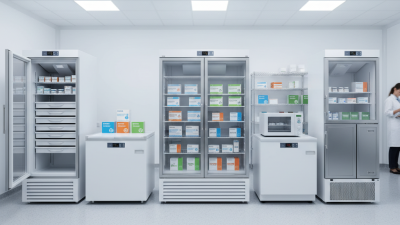
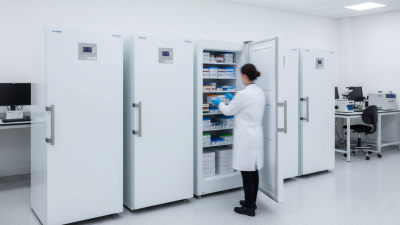
Pharmacy fridges can vary widely in design and functionality. Some models focus on optimal temperature control for vaccines and temperature-sensitive medications. Others have adjustable shelving and door configurations. This flexibility allows for better organization of products.
Not all fridges are made equally. Some may struggle with temperature stability. Regular checks and calibrations may be necessary to ensure accurate readings. It’s crucial to consider ease of maintenance, too. Fridges should be easy to clean. A fridge that requires excessive effort to maintain can lead to lapses in compliance. Inspecting key features can often highlight potential concerns, making some options less suitable than they initially seem.
Evaluating Temperature Control Features
When selecting a pharmacy fridge, evaluating temperature control features is paramount. Temperature fluctuations can jeopardize the efficacy of pharmaceuticals. The CDC recommends that vaccines be stored between 2°C and 8°C to ensure their potency. Data from the World Health Organization indicates that improper storage can lead to a loss of up to 30% in vaccine effectiveness. Therefore, a reliable pharmacy fridge must maintain consistent temperatures within this recommended range.
Look for models equipped with advanced monitoring systems. Some fridges offer digital displays that provide real-time temperature readings. This feature can significantly reduce the risk of human error. Additionally, a built-in alarm system alerts you to any deviations in temperature. Research shows that fridges with these advanced controls can reduce temperature excursions by over 60%.
Consider the fridge's insulation as well. High-quality insulation can minimize the impact of external temperature changes. In areas where power fluctuations are common, this feature becomes even more crucial. Reflecting on the varying quality of insulated fridges, it is evident that not all options provide the same level of reliability. Selecting the right fridge involves weighing these aspects carefully to ensure compliance with safety standards and the preservation of sensitive materials.
Considering Size and Space Availability
Choosing the right pharmacy fridge requires careful consideration of size and available space. The dimensions of your chosen fridge can significantly affect how efficiently you store temperature-sensitive medications. A report from the National Pharmacy Association indicates that over 30% of pharmacies struggle with inadequate refrigeration space. This issue can lead to compromised medication integrity and potential revenue loss.
Assessing your space is crucial. Measure the area where the fridge will be placed. Ensure there’s enough room for ventilation and proper door access. The report also highlights that optimal storage should allow for at least 10% more space than you initially estimate. This buffer accommodates future inventory growth or variations in product size.
It’s also important to consider the layout. Ensure shelves are adjustable to fit different vial sizes. Many pharmacies overlook how shelf configurations can impact their storage strategy. Regular evaluations of your storage solutions can reveal gaps. Reflecting on these details can help you choose the best fridge, ensuring your pharmacy maintains its operational efficiency while upholding medication safety.
How to Choose the Best Pharmacy Fridge for Your Needs? - Considering Size and Space Availability
| Fridge Size |
Dimensions (H x W x D) |
Storage Capacity (Liters) |
Recommended Space Requirement |
Ideal for |
| Compact |
60 x 50 x 50 cm |
100 liters |
Small pharmacies or clinics |
Vaccines and small quantities of medications |
| Standard |
130 x 55 x 60 cm |
250 liters |
Medium-sized pharmacies |
Regular storage of medications and vaccines |
| Large |
180 x 65 x 70 cm |
400 liters |
Large pharmacies or hospitals |
Bulk storage of medications and vaccines |
| Under-Counter |
90 x 55 x 60 cm |
150 liters |
Small spaces with limited room |
Personal use or limited stock |
Reviewing Energy Efficiency and Operating Costs
When selecting a pharmacy fridge, energy efficiency is crucial. A fridge’s energy consumption directly impacts operating costs. According to the U.S. Department of Energy, commercial refrigerators can use over 1,800 kWh per year. If a fridge operates at an annual cost of about 0.12 USD per kWh, monthly energy bills can reach 18 USD. This cost can accumulate quickly in a pharmacy setting.
Operating costs are not solely based on energy use. Maintenance plays a significant role as well. For instance, regular maintenance can extend the lifespan of a fridge. A poorly maintained fridge may consume up to 30% more energy than a well-maintained one. This inefficiency highlights the need for routine service checks and proper monitoring.
While energy efficiency ratings provide insight into a fridge's consumption, they do not account for real-world performance. Some units may have misleading ratings. They could perform poorly under the high demands of a pharmacy environment. Evaluating user reviews and third-party test results can provide a clearer picture. Adopting a holistic approach when selecting a pharmacy fridge is essential for minimizing total operating costs while ensuring reliability.