| Fabric | Silk satin | Smooth satin weave made from silk fibers; usually has a fluid drape and glossy surface. | Formal evening weddings and structured or bias-cut gowns. | Luxurious hand feel, elegant sheen, and attractive drape. | Can show wrinkles, water marks, and fit issues more readily than textured fabrics. | Comfortable in moderate temperatures; may feel warm in crowded indoor settings. | Very high |
| Crepe | Lightweight to medium-weight fabric with a matte, softly textured surface and fluid movement. | Minimalist gowns, fitted silhouettes, and modern ceremonies. | Photographs with a refined matte finish and skims the body smoothly. | May cling to the body; lightweight versions can require careful lining. | Often comfortable across seasons when paired with an appropriate lining. | High |
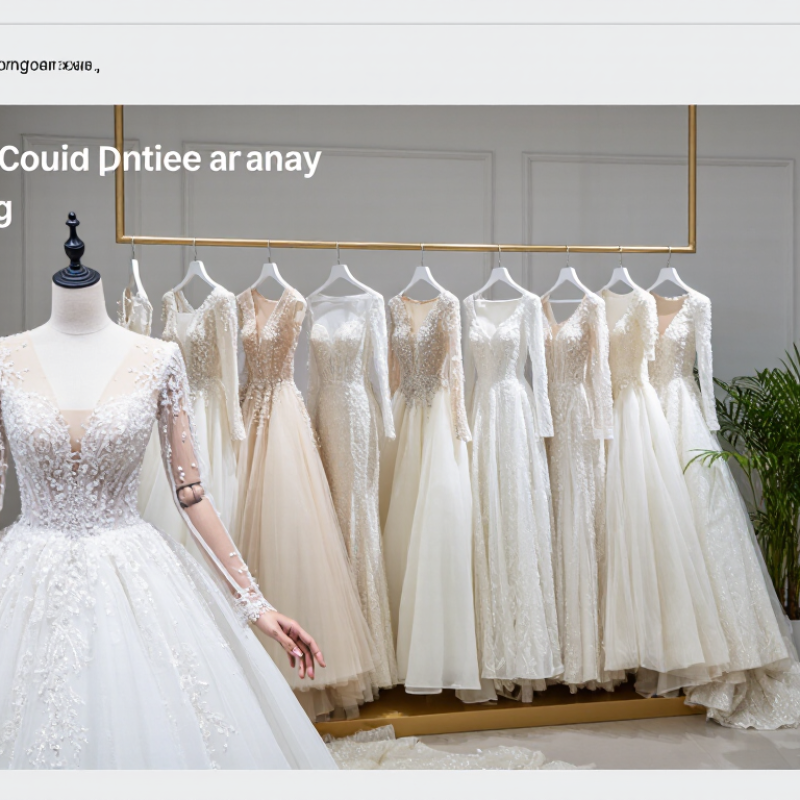
| Tulle | Open, lightweight netting commonly used for sleeves, overlays, veils, and layered skirts. | Romantic gowns and illusion long sleeves. | Creates volume without much weight and allows decorative detailing. | Can snag; transparent versions may need lining or a carefully placed underlayer. | Breathable and suitable for warm venues, depending on the number of layers. | High |
| Lace | Decorative openwork textile made from fiber threads; may be placed over satin, crepe, or tulle. | Vintage-inspired, romantic, and highly detailed gowns. | Adds texture, visual interest, and coverage while remaining feminine. | Some lace edges can feel scratchy; motifs may require careful matching at seams. | Usually comfortable, although dense lace or multiple layers can reduce airflow. | High |
| Chiffon | Very lightweight, sheer plain-weave fabric with a soft, flowing drape. | Outdoor weddings, relaxed silhouettes, and softly draped sleeves. | Airy movement, low visual weight, and good comfort in warm weather. | Sheerness may require lining; it is delicate and can wrinkle or snag. | Excellent for warm conditions when used in a single or lightly layered design. | Moderate to high |
| Organza | Lightweight, crisp, sheer woven fabric with more structure than chiffon. | Ball gowns, puff sleeves, sculpted details, and full skirts. | Maintains shape and creates airy volume without heavy fabric. | Can feel crisp or slightly stiff; may crease and rustle during movement. | Suitable for mild or cool conditions; less comfortable in intense heat when layered. | Very high |
| Neckline | High neckline | Neckline rises close to the base of the neck, often paired with lace or illusion fabric. | Formal ceremonies, traditional styling, and brides seeking more coverage. | Creates a polished appearance and complements long sleeves naturally. | May feel restrictive if the collar is tight or made from non-stretch fabric. | Best for cool weather or well-ventilated venues. | Very high |
| Boat neckline | Runs horizontally near the collarbone and gently follows the shoulder line. | Elegant, balanced gowns with fitted or flowing sleeves. | Highlights the shoulders and collarbone while retaining substantial coverage. | Shoulder seams must fit correctly to prevent slipping or pulling. | Comfortable for most seasons when the fabric is not heavily layered. | High |
| V-neckline | Forms a V-shaped opening with a shallow, moderate, or deep point. | Elongating silhouettes and gowns with fitted sleeves. | Visually lengthens the upper body and can balance fuller skirts or sleeves. | Depth should provide secure coverage; some designs require discreet support. | Comfort depends on the depth, lining, and neckline stabilization. | High |
| Sweetheart neckline | Curved neckline shaped like the upper outline of a heart. | Romantic gowns, corset-inspired bodices, and detachable sleeve designs. | Frames the bust and creates a distinctly feminine shape. | Needs accurate bust fitting and reliable internal support to stay secure. | Comfortable when properly fitted; may feel less secure without structured support. | High |
| Square neckline | Angular neckline with a horizontal top edge and straight or slightly curved sides. | Classic, modern, and structured wedding gowns. | Defines the neckline clearly and works well with lace or fitted sleeves. | Provides a stable visual frame and can balance broad sleeve volume. | Armhole and bust fit must be precise to avoid gaping. | Comfortable in most seasons with suitable lining. | High |
| Illusion neckline | Sheer tulle or mesh extends above a lower neckline to create the appearance of coverage. | Detailed, romantic, or modest gowns with lace appliqué. | Brides who want the look of an open neckline with additional coverage. | Offers visual delicacy while helping the gown feel more secure. | Mesh color and placement should closely match the wearer’s skin tone and styling. | Usually comfortable, but synthetic mesh may feel warm or irritating to sensitive skin. | Very high |
| Sleeve Detail | Fitted sleeve | Close-fitting sleeve shaped from shoulder to wrist, often made with stretch lining or lace. | Streamlined gowns and formal ceremonies. | Creates a long, clean line and works well under jackets or capes. | Requires accurate arm measurements; limited ease can restrict movement. | Warm when lined or made from dense fabric; lighter lace versions improve airflow. | Very high |
| Bishop sleeve | Full sleeve gathered at the wrist, usually with a cuff or narrow elastic finish. | Bohemian, vintage-inspired, and relaxed romantic gowns. | Adds graceful volume and comfortable movement through the upper arm. | Extra fabric may catch on décor or appear overwhelming on petite proportions. | Good airflow when made from chiffon or lightweight organza; warmer in dense fabrics. | Moderate to high |
| Bell sleeve | Sleeve gradually widens toward the wrist or forearm. | Bohemian, artistic, and softly dramatic gown designs. | Creates movement and a noticeable silhouette without heavy embellishment. | Wide hems can brush against flowers, food, or accessories. | Comfortable in lightweight fabrics; heavier materials may feel cumbersome. | High |
| Juliet sleeve | Often fitted at the forearm with a fuller, gathered upper section near the shoulder. | Historical, romantic, and fairytale-inspired gowns. | Adds sculptural volume while keeping the wrist area relatively neat. | Gathering and puffed sections require careful proportion and pressing. | Comfort depends on the upper-sleeve volume and fabric weight. | Very high |
| Off-the-shoulder sleeve | Fabric rests below the shoulder line, leaving the shoulders exposed. | Romantic gowns and designs intended to emphasize the collarbone. | Balances long sleeves with an open upper frame and a softer appearance. | Needs secure elastic, boning, or internal support to prevent slipping. | Less suitable for very cold weather unless paired with a wrap or cape. | High |
| Detachable sleeve | Sleeves attach with discreet buttons, hooks, snaps, or elastic channels. | Brides who want different looks for the ceremony and reception. | Provides styling flexibility and can change the gown’s level of coverage. | Attachment points should be tested for comfort and hidden securely. | Useful across seasons because sleeves can be removed as temperatures change. | High |
| Embellished sleeve | Sleeve decorated with lace appliqué, embroidery, beadwork, sequins, or pearls. | Highly detailed gowns and formal evening celebrations. | Draws attention to the arms and adds texture to a simple silhouette. | Embellishments can add weight, catch on jewelry, or irritate sensitive skin. | Dense decoration may feel warm; lightweight lace is generally more breathable. | Very high |