Aegis provides affordable, low power Wi-Fi sensor network solutions that make a ubiquitous sensing world come alive and a full line of controlled temperature cabinets. Laboratory, Pharmacy and Chromatography refrigerators and freezers which are designed to meet the dimensional and temperature requirements of the scientific community.

How to Choose Gym Machines for Your Business?
Choosing Gym Machines for a business requires more than comparing prices and glossy product images. Equipment must match your members, available space, training goals, and daily operating demands. A boutique studio may need compact cable systems and adjustable benches. A large fitness club may require treadmills, selectorized strength machines, racks, and recovery equipment. Each choice affects member experience, revenue potential, maintenance workload, and long-term safety.
Start by studying how people will use the facility. Beginners may prefer clear instructions, stable movement paths, and simple adjustment points. Experienced members often expect heavier resistance, smooth performance, and varied training options. Measure doorways, ceiling height, flooring strength, and electrical capacity before placing an order. A treadmill that fits on paper may block an emergency route or create uncomfortable traffic around the workout area. Small details matter.
Reliable purchasing also means checking warranties, spare-part availability, service response times, and supplier credentials. Ask for demonstrations and inspect noise levels, upholstery seams, cables, grips, and adjustment mechanisms. Recognized safety requirements should guide the review, but compliance alone does not guarantee a good business decision. A machine can be technically sound yet unpopular with members. That is an expensive lesson. Reviewing usage data after installation can reveal which equipment earns its space and which purchase needs reconsideration. Careful planning is valuable, but flexibility matters too. Fitness trends change, and no equipment plan is perfect.
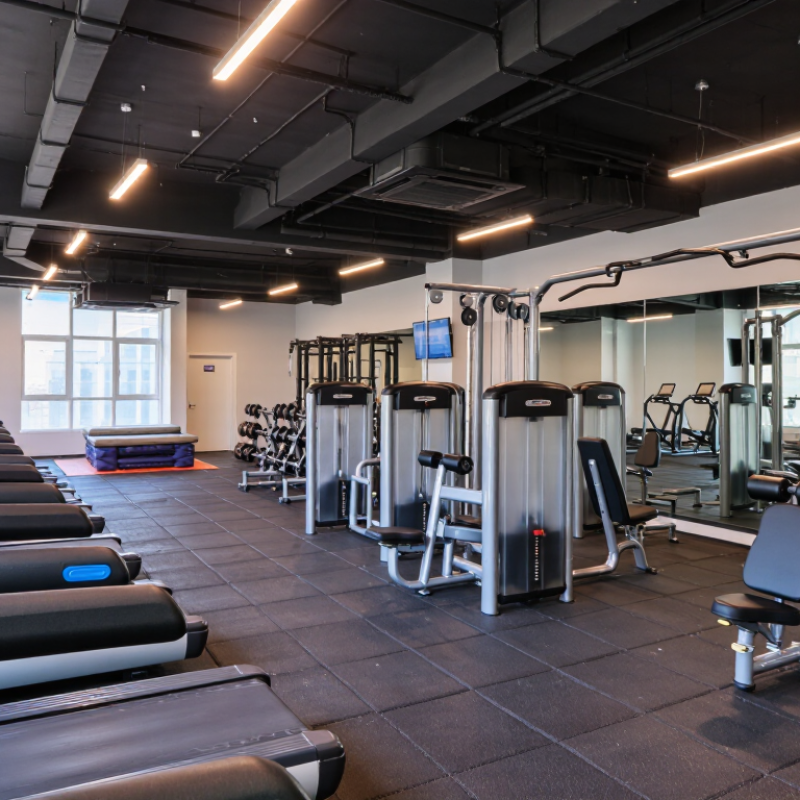
Table of Contents [Hide]
Define Your Gym’s Business Model and Member Needs
Choosing gym machines starts with defining how your facility earns revenue. A low-cost, high-volume gym needs durable machines, simple controls, and fast member turnover. A coaching-led studio needs fewer machines, but more adjustable and functional equipment. A premium club may justify recovery zones, performance tools, and connected consoles.
Member needs should guide every purchase. The Health & Fitness Association’s 2024 Global Report recorded 72.9 million U.S. fitness facility members in 2023. That scale reflects a broad audience, not one training style. Beginners often need clear instructions and stable resistance machines. Older members may value low-impact cardio and easy access. Experienced users may expect heavier loads, cable systems, and precise adjustments.
Walk through the floor during peak hours. Watch where queues form.
Digital expectations also matter. ACSM’s 2025 Worldwide Survey of Fitness Trends ranked wearable technology first, mobile exercise apps second, and programs for older adults third. This suggests that machines should support measurement, guidance, or inclusive use. Still, connectivity is not automatically valuable. A screen can become expensive decoration if members ignore it. I would test one unit before ordering ten. That is slower, but safer.
Do not copy another gym’s equipment list. A small facility may need two reliable treadmills instead of six rarely used machines. Track usage, repair time, member requests, and canceled memberships for three months. Then revise the plan. Mistakes reveal demand, if you measure them honestly.
Contact Us
Phone
Toll Free: 1-800-796-2344
OH: 513 204 5837
PA: 215-281-9180
support@site_367d8ed1-a876-442b-a1d7-b1fc1cf4ed19