How to Choose the Right Pharmacy Fridge for Your Needs?
Choosing the right pharmacy fridge is essential for maintaining the integrity of medications. According to Dr. Emily Carter, a leading expert in pharmaceutical storage, "A well-chosen pharmacy fridge can protect valuable inventories from temperature fluctuations." This statement underscores the importance of selecting a fridge that meets your specific needs.
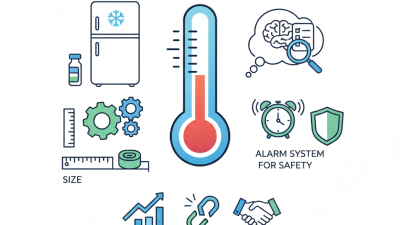
When considering a pharmacy fridge, one must evaluate various factors. Think about size, temperature range, and energy efficiency. A fridge that is too small may compromise the storage of essential medications. In contrast, an oversized unit may waste energy and lead to unnecessary expenses. It's crucial to assess your inventory and choose wisely.
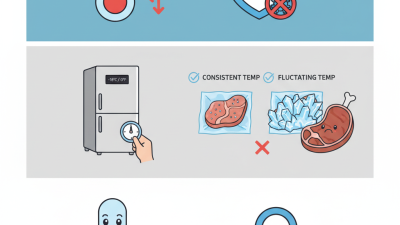
Furthermore, not all fridges are created equal. Some might lack advanced temperature controls or alarms. These features are critical for safeguarding sensitive products. A fridge that fails to maintain a steady temperature can put your pharmacy's reputation at risk. Thus, a thoughtful evaluation of available options is vital for making a knowledgeable choice.
Understanding the Importance of Proper Medication Storage
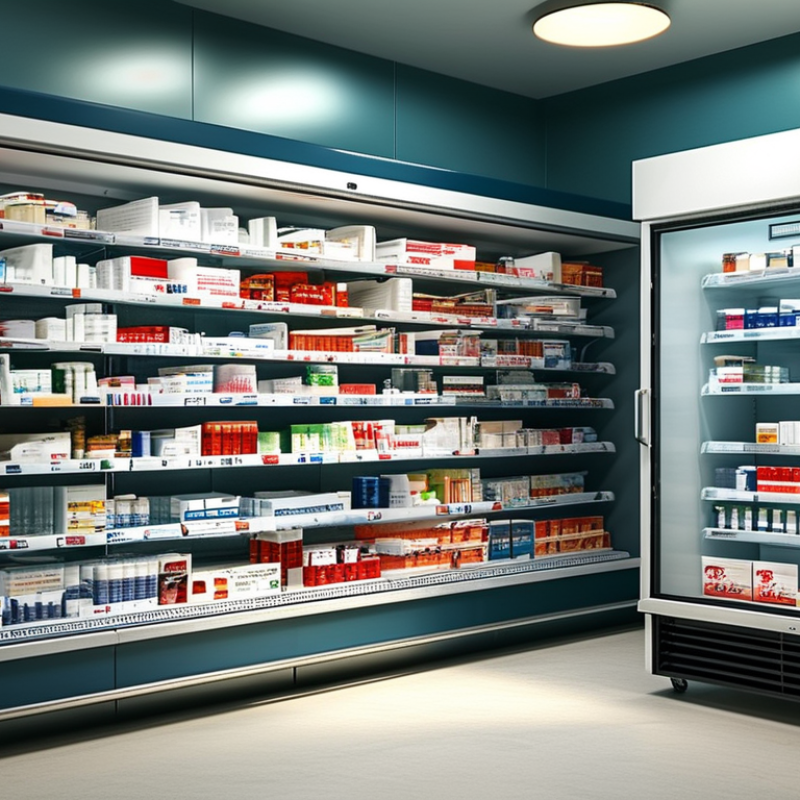
Proper medication storage is crucial for ensuring the efficacy and safety of pharmaceuticals. According to the Centers for Disease Control and Prevention, improper storage can lead to a significant reduction in a drug's effectiveness, affecting patient outcomes. For instance, vaccines must be kept at specific temperatures to remain viable. Statistics show that about 10% of vaccines can lose their effectiveness if not stored correctly. This highlights the importance of investing in a high-quality pharmacy fridge.
When choosing a pharmacy fridge, consider the temperature stability and monitoring features. A temperature fluctuation can lead to compromised medications, risking patient health. Look for fridges with digital displays and alarms that notify you of temperature changes. A study from the American Society of Health-System Pharmacists emphasizes that 25% of healthcare facilities experience temperature excursions in pharmaceutical storage. A well-chosen fridge can greatly reduce these incidences.
For optimal storage, keep your fridge well-organized. Use separate shelves for different medications. Label everything clearly to minimize confusion. Regularly check the temperature settings and perform maintenance. Keeping a detailed log of temperature readings can help identify trends and prevent future issues. Consider these factors when selecting a pharmacy fridge to protect your medications and ensure patient safety.
Identifying Your Specific Storage Needs for Pharmaceuticals
When selecting a pharmacy fridge, it's vital to consider your specific storage needs. Pharmaceuticals vary in temperature requirements, so understanding these is essential. Some items need refrigeration at 2-8°C, while others could require freezing. Misplacing them can lead to reduced potency or waste.
Think about the volume of products you'll store. A small pharmacy may need just a compact fridge, while larger facilities require substantial storage space. Inventory management is crucial. Keeping track of your stock ensures that nothing expires unnoticed. A basic fridge might suffice for isolated needs, but a more specialized unit could improve efficiency.
Assess the features that matter to you. Temperature monitoring systems offer peace of mind. Regular checks can prevent spoilage. Noise levels can impact a work environment, so choose wisely. Balancing features against budgetary constraints often leads to reflection on priorities. Choosing the right fridge is a blend of technology and practicality, a choice that impacts daily operations.
Key Features to Look for in a Pharmacy Fridge
When choosing a pharmacy fridge, consider key features that ensure optimal performance. Temperature stability is crucial. Many professionals recommend fridges that maintain a consistent range of 2°C to 8°C for storing vaccines and medications. Studies from the World Health Organization indicate that improper storage can lead to a 10%-30% loss in vaccine efficacy. Therefore, look for models equipped with advanced temperature control systems and reliable sensors.
Another essential feature is size and capacity. It’s important to select a fridge that can accommodate your inventory without being too large or too small. Overcrowding can lead to temperature fluctuations, while an oversized fridge may waste energy. The Pharmacopeia suggests evaluating the volume of items typically stored to determine the right size. Also, ensure that the fridge has adjustable shelving and organization compartments for easy access.
Energy efficiency should not be overlooked. Fridges with energy-saving certifications can reduce costs and environmental impact. Reports from the U.S. Department of Energy suggest that energy-efficient models consume up to 30% less electricity. While cost may be a concern, investing in a reliable and efficient fridge can lead to long-term savings and better service in your pharmacy. Always consider these aspects carefully when making your decision.
Evaluating Energy Efficiency and Operating Costs
When selecting a pharmacy fridge, energy efficiency is a key factor. Efficient models consume less electricity, which can significantly reduce operating costs over time. A fridge with a high Energy Star rating is often a smart choice. However, some high-rated models may come with higher upfront costs. This can be a concerning trade-off for small pharmacies with tight budgets.
Operating costs extend beyond just electricity bills. Regular maintenance is vital for efficient operation. A poorly maintained fridge can lead to increased energy consumption and potential product spoilage. Investing in maintenance can save money in the long run by preventing these issues. It’s good to consider whether your pharmacy staff has the training to perform routine checks on the fridge’s performance.
While initial costs and ongoing expenses are crucial, consider how the fridge's energy efficiency aligns with your pharmacy's daily operations. Will it meet your volume demands? How will it affect workflow? Finding the right balance can be challenging. Reflecting on these aspects early can lead to better choices, ensuring you select a fridge that supports your pharmacy’s needs effectively.
Energy Efficiency and Operating Costs of Pharmacy Fridges
Comparing Different Types of Pharmacy Refrigerators on the Market
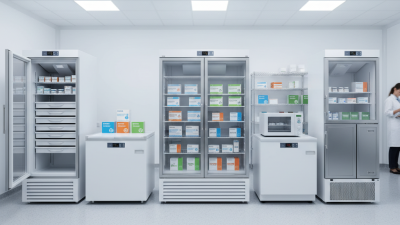
When selecting a pharmacy fridge, it's essential to understand the types available on the market. The most common types are under-counter, upright, and portable refrigerators. Each has its pros and cons. Under-counter fridges save space and fit conveniently into existing setups. However, they may lack capacity for larger inventories. Upright models provide ample space but can occupy more floor area.
Portable refrigerators are great for temporary needs, like events or emergencies. Consider what volume of medications you'll store. Small practices may thrive with a compact model, while larger pharmacies might require robust upright options. Be mindful of temperature range too—most medications require consistent cooling between 2°C and 8°C.
Another factor is energy efficiency. A fridge that uses less power can help cut costs long term. Sometimes, high initial costs can be misleading. The cheaper models may lead to higher energy bills or more frequent repairs. Look for reputable suppliers who provide warranties. This ensures you can rely on the fridge when carrying valuable stock. Make sure to assess all these details before making a choice.