10 Essential Tips for Choosing an Ultra Low Temperature Freezer
When it comes to preserving sensitive samples, an ultra low temperature freezer is crucial. These freezers maintain extremely low temperatures, often reaching -80°C to safeguard biological materials. According to a report by MarketsandMarkets, the ultra low temperature freezer market is projected to grow significantly, driven by advancements in biotechnology and pharmaceuticals.
Selecting the right ultra low temperature freezer can impact research outcomes. For laboratories, reliability is paramount. A failure in freezing could compromise precious samples, leading to costly losses. Experts suggest considering factors like capacity, energy efficiency, and temperature uniformity before making a decision.
It's vital to remember that not every ultra low temperature freezer is created equal. Some models may not deliver consistent performance. Look for units with advanced temperature controls and alarms to prevent potential failures. Understanding these nuances can help in making an informed choice that preserves the integrity of your valuable specimens.
Understanding the Importance of Ultra Low Temperature Freezers
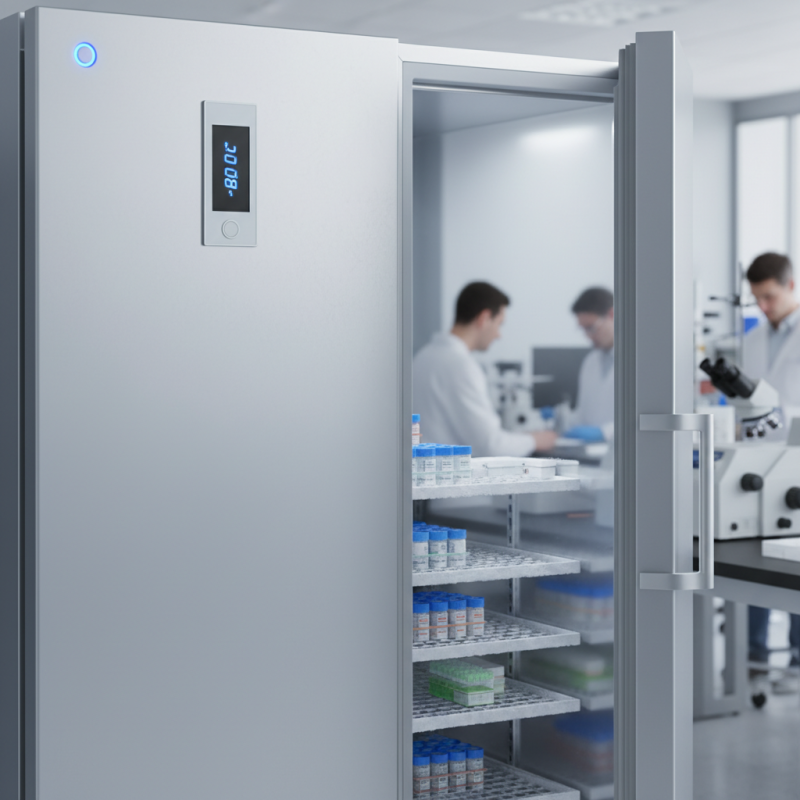
Ultra low temperature freezers (ULT freezers) are critical in various industries, particularly in research and pharmaceuticals. They maintain temperatures of -80°C or lower. This is essential for preserving sensitive biological materials, such as vaccines, enzymes, and cell lines. According to a 2020 study by the National Institutes of Health, materials stored at ultra-low temperatures have a significantly longer shelf life. This longevity minimizes waste and ensures the integrity of valuable samples.
In laboratories, having reliable ULT freezers can prevent loss due to temperature fluctuations. A report from the Food and Drug Administration highlighted that inconsistent temperatures could lead to the degradation of biological samples. Even a small temperature rise can affect the viability of cells. Hence, investing in a quality ULT freezer is vital for maintaining sample integrity. Choosing a freezer with an efficient energy consumption rate can also reduce long-term operational costs, while features like alarm systems can alert staff to potential failures.
Not all ultra-low freezers are created equal. Research shows that every model has its own limitations, such as storage capacity and energy efficiency. Careful evaluation is necessary to find a suitable option. Many facilities overlook the importance of regular maintenance. Neglecting this may lead to unexpected breakdowns. These factors contribute to the critical role ULT freezers play in preserving essential materials across various fields.
Temperature Management in Ultra Low Temperature Freezers
This chart illustrates the storage efficiency of ultra low temperature freezers at various temperature levels. As the temperature decreases, the storage efficiency significantly increases, highlighting the effectiveness of maintaining lower temperatures for preserving sensitive materials.
Key Factors to Consider When Selecting an Ultra Low Temperature Freezer
When selecting an ultra-low temperature (ULT) freezer, several key factors must guide your decision. Temperature consistency is crucial. Variations can compromise samples. Data from industry reports show that temperature fluctuations above -80°C can lead to degradation of sensitive materials. Thus, consider models that maintain stability within ±1°C. This precision can be vital for research integrity.
Another important aspect is storage capacity. ULT freezers come in various sizes. Assess your current and future needs. An under-sized unit can lead to overcrowding and inefficiency. Conversely, a freezer that's too large may result in higher operational costs. According to the National Institute of Standards and Technology, properly optimizing storage can reduce energy consumption by up to 20%.
Energy efficiency often gets overlooked during the selection process. ULT freezers can consume significant power. Industry guidelines suggest looking for energy-efficient models to minimize costs. However, these units may have higher upfront costs. Balancing initial investment with long-term savings is essential. Don't underestimate the importance of noise levels too. Some models operate loudly, impacting lab environments. Review user feedback to make informed decisions.
10 Essential Tips for Choosing an Ultra Low Temperature Freezer - Key Factors to Consider When Selecting an Ultra Low Temperature Freezer
| Factor |
Description |
Consideration |
| Temperature Range |
Evaluate the lowest temperature the freezer can achieve. |
Ensure it meets specific storage requirements (e.g., -80°C). |
| Capacity |
Determine the internal space for samples and materials. |
Choose a size that allows for future expansion if needed. |
| Energy Efficiency |
Check the energy consumption ratings and efficiency. |
Consider long-term operational costs. |
| Noise Level |
Look at the decibel level during operation. |
Assess if quiet operation is necessary for your environment. |
| Footprint |
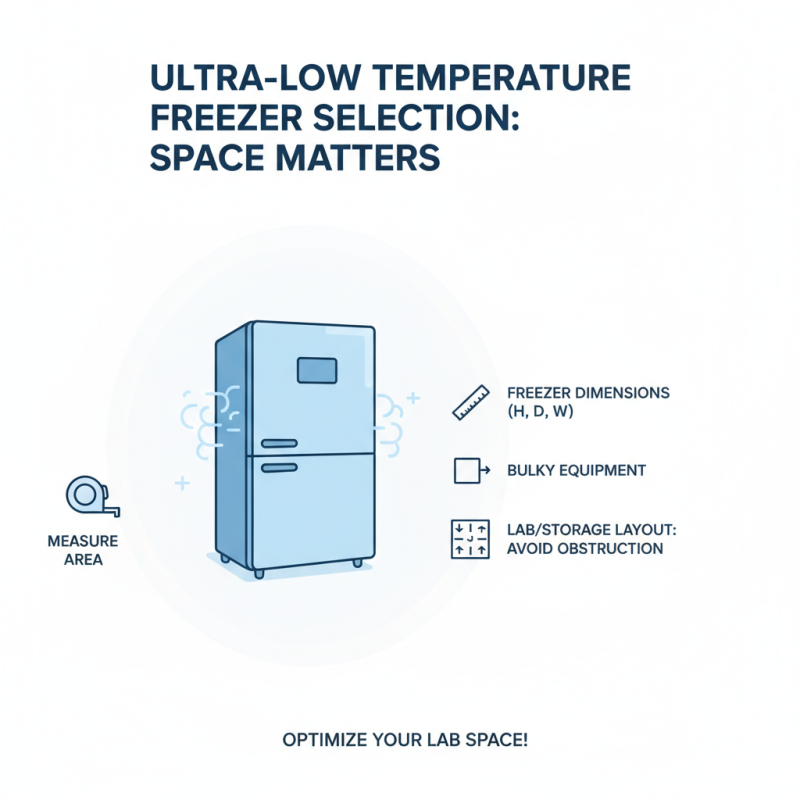
Review the physical dimensions of the unit. |
Ensure it fits in the intended space. |
| Control System |
Evaluate the ease of use and precision of controls. |
Look for digital interfaces and alarms for monitoring. |
| Temperature Uniformity |
Check how consistently the freezer maintains set temperatures. |
Review any available reports or testimonials on performance. |
| Security Features |
Identify alarms, locks, and data logging capabilities. |
Consider this for sensitive materials requiring high security. |
| Warranty and Support |
Review warranty length and service support options. |
Opt for manufacturers with reliable service history. |
| Price |
Compare pricing based on features and specifications. |
Ensure it aligns with your budget while meeting needs. |
Evaluating Cooling Performance and Temperature Uniformity
When selecting an ultra low temperature freezer, cooling performance and temperature uniformity are crucial. A study by the International Institute of Refrigeration highlights that maintaining a consistent temperature within a +/- 5°C range is essential for preserving sensitive materials. Variations in temperature can lead to degradation, affecting reliability and research outcomes.
Investigate the design features of the freezer. Systems with a well-insulated body tend to minimize temperature fluctuation. This can be further enhanced by the use of advanced refrigeration technologies. Even a small change in temperature may compromise stored samples. The ability of a freezer to recover quickly after door openings is also important, as frequent access can disrupt stability.
Consider the layout and air circulation within the freezer. Poor airflow can create "hot spots," leading to uneven cooling. A report from the American Society of Heating, Refrigerating and Air-Conditioning Engineers indicates that optimal air circulation is vital for uniform conditions. Users often overlook this, which can have dramatic effects. Constant monitoring is necessary to ensure the performance aligns with the stated specifications. This vigilance can help avoid potential failures in storage.
Analyzing Energy Efficiency and Operating Costs
When selecting an ultra low temperature (ULT) freezer, energy efficiency and operating costs are critical factors to consider. According to the U.S. Department of Energy, commercial freezers account for about 10% of energy consumption in the food services sector. This indicates that a poorly designed freezer can lead to significant increases in operational expenses. Evaluating the yearly energy consumption is crucial. Look for models that consume less than 500 kWh annually to maximize savings.
It’s also important to assess the initial purchase cost versus long-term energy expenditures. While a cheaper model may seem appealing, it often lacks efficiency. Data shows that the best-performing ULT freezers can save up to $1,200 over five years compared to standard units. Regular maintenance plays a role too. Ignoring maintenance can sharply increase energy consumption by 20% or more.
Pay attention to insulation and compressor technology. High-quality insulation helps maintain a stable temperature while reducing energy use. Options like vacuum insulation can be beneficial but might require more investment. Assessing these factors can lead to more informed decisions, balancing upfront costs with long-term savings. Reflect on your needs; a higher upfront cost may be justified by lower operating costs down the line.