Aegis provides affordable, low power Wi-Fi sensor network solutions that make a ubiquitous sensing world come alive and a full line of controlled temperature cabinets. Laboratory, Pharmacy and Chromatography refrigerators and freezers which are designed to meet the dimensional and temperature requirements of the scientific community.
How to Find the Best Private Label Makeup Manufacturers?
Choosing among Private Label Makeup Manufacturers takes more than comparing prices or browsing polished product photos. A capable partner should help turn a product idea into a consistent, market-ready line, from shade selection and formula sampling to packaging and production planning. The details matter. A foundation that looks balanced under studio lights may appear different in daylight, while a lipstick can feel dry after several hours of wear.
A careful evaluation starts with questions you can verify. Ask for sample formulas, ingredient documentation, quality-control procedures, minimum order quantities, and realistic lead times. Check whether the manufacturer can support your product category and the requirements of your intended markets. Clear answers are useful; written specifications and traceable batch records are even better. If you are comparing two suppliers, request the same sample tests and packaging details from each. That makes the comparison more meaningful.
Look beyond the first sample. Test wear, texture, color consistency, and how the formula performs in its final container. Discuss who handles revisions, how defects are documented, and what happens when production timelines change. Communication is part of quality. It can be difficult to judge before a project begins. That is worth remembering. A low quote may still fit your plan, but only when its limits are clear. This guide outlines practical ways to assess suppliers, reduce avoidable surprises, and choose a manufacturing partner with evidence—not promises—behind its claims.
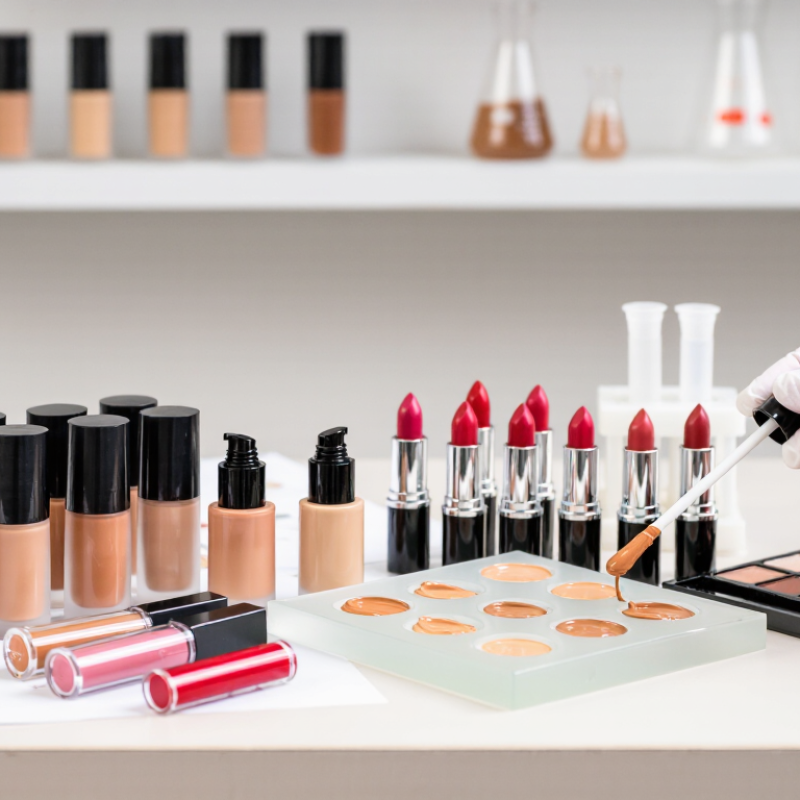
Table of Contents [Hide]
Define Your Product Goals and Manufacturing Requirements
Before contacting private label makeup manufacturers, decide what the product must do. A tinted balm, liquid foundation, and pressed powder each need different textures, packaging, and production controls. Describe the finish, coverage, shade range, wear time, and target customer. Be specific. “Natural finish” can mean different things to different teams, so include reference descriptions or sample images.
Set practical manufacturing requirements too. Estimate your first order quantity, target unit cost, launch date, and preferred packaging materials. Ask whether the manufacturer can support formula development, shade matching, filling, and packaging assembly. Confirm minimum order quantities and sample fees in writing. Small details matter. A low quoted price may not include artwork setup, testing, or shipping, and those costs can change the budget.
Define the quality evidence you expect before comparing suppliers. Request ingredient information, relevant product safety documentation, batch records, and details about how incoming materials and finished goods are checked. Requirements vary by product and sales market, so confirm applicable obligations with a qualified regulatory professional. Then use the same brief with every manufacturer. Compare their answers, sample consistency, lead times, and willingness to explain limitations. A polished proposal is helpful, but it is not proof that production will go smoothly. Even a detailed brief may need revision after you test a sample; that is a normal, sometimes frustrating part of development.
Contact Us
Phone
Toll Free: 1-800-796-2344
OH: 513 204 5837
PA: 215-281-9180
support@site_367d8ed1-a876-442b-a1d7-b1fc1cf4ed19