The Ultimate Guide to Optimal Fridge Temperature for Food Safety and Freshness
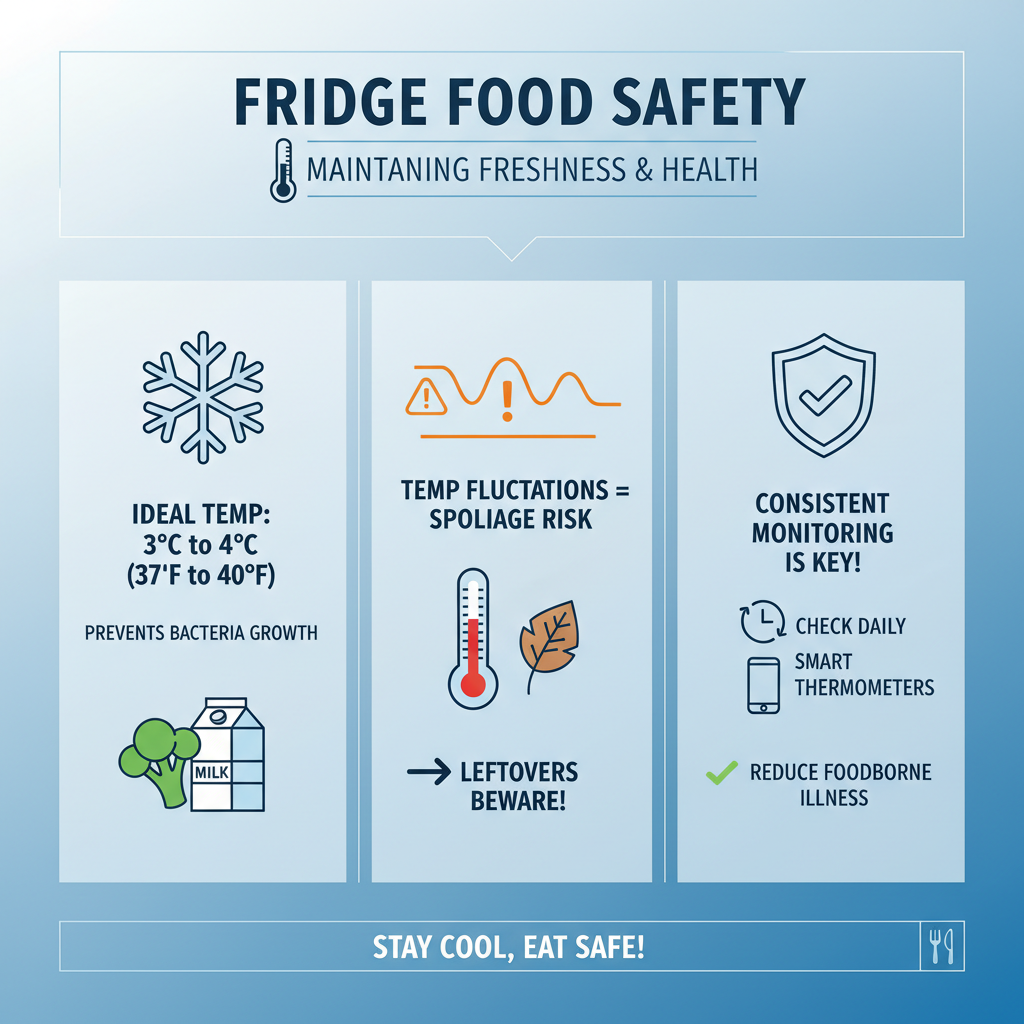
Maintaining the correct fridge temperature is crucial for ensuring food safety and preserving freshness. According to the U.S. Food and Drug Administration (FDA), the ideal refrigerator temperature is at or below 40°F (4°C). This recommendation aligns with findings from the Food Safety and Inspection Service, which notes that many foodborne illnesses are linked to improper storage temperatures. When food is kept at higher temperatures, bacteria such as Salmonella and E. coli can thrive, leading to potential health risks for consumers.

Furthermore, a survey conducted by the International Food Information Council revealed that nearly 30% of respondents were unaware of the recommended fridge temperature, indicating a significant gap in public knowledge regarding food safety practices. Proper fridge temperature not only minimizes the risk of foodborne illness but also extends the shelf life of perishables. Fresh produce, dairy products, and meats all require specific temperature ranges to maintain optimal quality and prevent spoilage; failing to adhere to these standards can result in nutritional loss and waste.
In light of this information, understanding and regulating fridge temperature is essential for households and food service providers alike. Adopting best practices in refrigeration can lead to safer food handling and ultimately contribute to better public health outcomes.
Understanding the Importance of Fridge Temperature for Food Safety
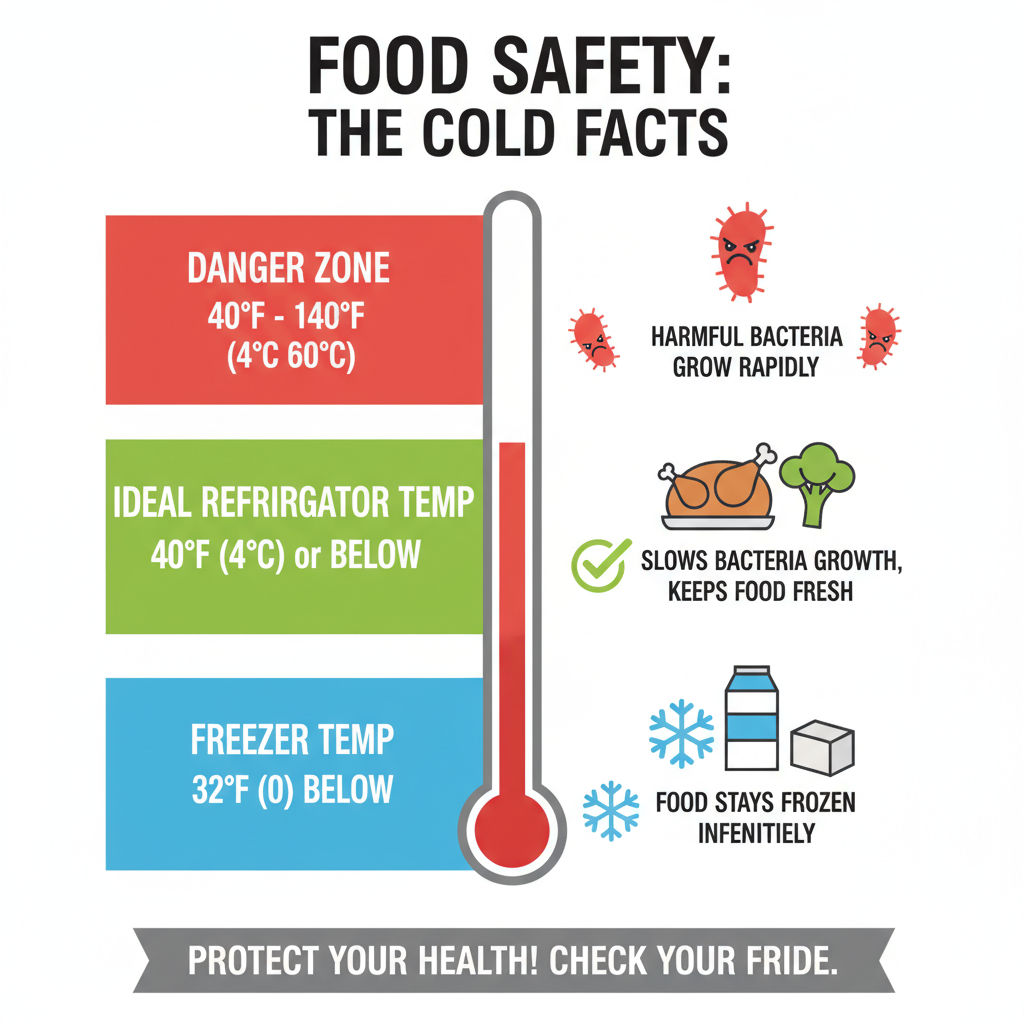
Maintaining the right fridge temperature is crucial for ensuring food safety and freshness. According to safety guidelines,
the ideal refrigerator temperature should be set at or below 40°F (4°C). This temperature range inhibits the growth of
harmful bacteria that can lead to foodborne illnesses. When food is stored at temperatures above this threshold, especially between
40°F and 140°F (4°C and 60°C), it becomes a breeding ground for pathogens, putting your health at risk.
Tips for Optimal Fridge Temperature: Regularly check the temperature with an appliance thermometer.
Place it in the middle of the fridge for an accurate reading. Additionally, keep the fridge door closed as much as possible; each time it’s opened,
internal temperatures can rise, promoting bacterial growth. Another effective practice is to periodically clean your fridge’s coils to ensure optimal
airflow and cooling efficiency.
Understanding the importance of fridge temperature extends beyond safety - it also contributes to the longevity and quality
of your food. Proper temperature control helps retain the vitamins and nutrients in your produce and prevents spoilage of dairy and meats.
Investing time in monitoring your fridge settings will translate to fresher and safer meals for you and your family.
Ideal Temperature Range for Refrigerators and Food Preservation
Maintaining the ideal temperature range in your refrigerator is crucial for preserving food freshness and ensuring food safety. According to the U.S. Food and Drug Administration (FDA), the optimal fridge temperature should be set at or below 40°F (4°C). This temperature effectively slows down the growth of bacteria that can lead to foodborne illnesses. The Centers for Disease Control and Prevention (CDC) emphasizes that food stored above this temperature can have a higher risk of spoiling and becoming unsafe for consumption.
Furthermore, research indicates that food preservation significantly depends on temperature control. A study published in the Journal of Food Protection noted that keeping your refrigerator consistently at 37°F (3°C) can extend the shelf life of perishable items, such as dairy products and meats, by several days compared to storage at higher temperatures. Regularly monitoring and adjusting your fridge’s temperature can not only prevent waste but also enhance your overall food safety practices. By prioritizing the right conditions in your refrigerator, you can ensure that your food stays fresher for longer and minimizes the risk of health hazards.
Effects of Improper Fridge Temperature on Food Quality and Safety
The temperature of your refrigerator plays a crucial role in maintaining food quality and safety. When set improperly, it can lead to spoilage and the growth of harmful bacteria. Recent studies have highlighted the importance of monitoring fridge temperatures consistently, as fluctuations can create hotspots that compromise food safety. For instance, leftovers can spoil quickly if not stored at the right temperature, increasing the risk of foodborne illnesses.
Inconsistent temperatures can also have a negative impact on specific food types, such as dairy products. Improper storage can accelerate spoilage, as seen with almond milk and other perishable items. Experts recommend regular temperature checks and adjustments to ensure your fridge stays between 32°F and 40°F (0°C to 4°C). Additionally, utilizing remote monitoring devices can help you keep an eye on temperature variations, ultimately preserving food quality and enhancing safety in your kitchen.
Tips for Maintaining a Consistent and Optimal Fridge Temperature
Maintaining a consistent and optimal fridge temperature is crucial for food safety and freshness. The ideal temperature for your refrigerator is between 35°F and 38°F (1.7°C and 3.3°C). Keeping your fridge within this range not only preserves the quality of your food but also helps prevent the growth of harmful bacteria.
To ensure your fridge operates at the right temperature, avoid frequent door openings which can cause fluctuations in temperature. Consider a fridge thermometer to accurately monitor the temperature, as built-in gauges can sometimes be misleading. Additionally, regularly check the door seals for any leaks. A tight seal is essential for maintaining the cold air inside.
Another tip is to organize your fridge efficiently. Place similar items together for optimal air circulation and avoid overcrowding, which can hinder airflow. Make sure to store perishables on higher shelves where it tends to be cooler, and always allow hot foods to cool down before placing them inside. These simple practices can greatly enhance the efficiency of your fridge and prolong the freshness of your food.
The Ultimate Guide to Optimal Fridge Temperature for Food Safety and Freshness
| Food Type |
Optimal Temperature (°F) |
Shelf Life (Refrigerated) |
Safety Notes |
| Meat |
32 - 40 |
1 - 2 days |
Keep at or below 40°F to prevent bacteria growth. |
| Dairy |
35 - 40 |
1 - 3 weeks |
Optimum temperature for freshness and to prevent spoilage. |
| Fruits |
32 - 40 |
3 - 14 days |
Store separately; some produce releases ethylene gas. |
| Vegetables |
32 - 40 |
1 - 14 days |
Keep in breathable bags to maintain humidity. |
| Eggs |
35 - 40 |
3 - 5 weeks |
Refrigerate promptly to maintain quality. |
Signs Your Fridge Temperature Needs Adjustment for Food Freshness
Maintaining the optimal fridge temperature is essential for ensuring food freshness and safety. If your refrigerator is not cold enough, perishable items like dairy, meat, and produce can spoil quickly, leading to food waste and potential health risks. Signs that your fridge temperature may need an adjustment include frequent condensation on the inside walls, ice buildup in the freezer, or food items that feel warm to the touch. These indicators can suggest that the temperature is fluctuating or is set too high, and immediate action should be taken to prevent any foodborne illnesses.
In addition to adjusting the temperature, it's important to regularly check the thermometer placed inside your refrigerator. The ideal temperature is generally between 32°F and 40°F (0°C to 4°C) for storing food safely. By ensuring your refrigerator operates within this range, you not only prolong the life of your groceries but also support responsible food safety practices. Regular monitoring and adjustments are key to maintaining a safe environment for your food storage.