How to Set the Perfect Fridge Temperature for Food Safety and Freshness
When it comes to food safety and freshness, the importance of maintaining the right fridge temperature cannot be overstated. According to Dr. Emily Johnson, a leading food safety expert and researcher, "The ideal fridge temperature can mean the difference between safe, fresh food and a health risk." As the backbone of any kitchen, a refrigerator plays a crucial role in preserving the integrity of our food, but many people remain unaware of the optimal settings necessary to keep their groceries at their best.
Setting your fridge to the right temperature not only prevents the growth of harmful bacteria but also extends the shelf life of perishable items. Dr. Johnson emphasizes that "a temperature range of 32°F to 40°F is ideal for refrigerators." This range ensures that food remains not just safe to eat, but also flavorful and nutritious. Striking the perfect balance is essential, as temperatures that are too high can compromise food quality and safety, while excessively low temperatures can lead to freezing and spoilage of certain items.
In this guide, we will delve into the specifics of fridge temperature settings, explore common mistakes, and provide expert tips to help you maintain an optimal environment for your food. Following these recommendations will empower you to make informed decisions that enhance your culinary endeavors while safeguarding your health.
Understanding the Importance of Fridge Temperature for Safety
Maintaining the right fridge temperature is crucial for food safety and freshness. According to the U.S. Food and Drug Administration (FDA), the optimal refrigerator temperature to ensure food safety is 40°F (4°C) or below. Keeping food at this temperature significantly slows down the growth of harmful bacteria, which proliferate most rapidly between the temperatures of 40°F and 140°F. The Centers for Disease Control and Prevention (CDC) estimates that nearly one in six Americans gets sick from foodborne illnesses each year, often due to improper food storage temperatures.
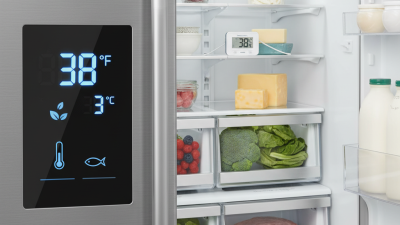
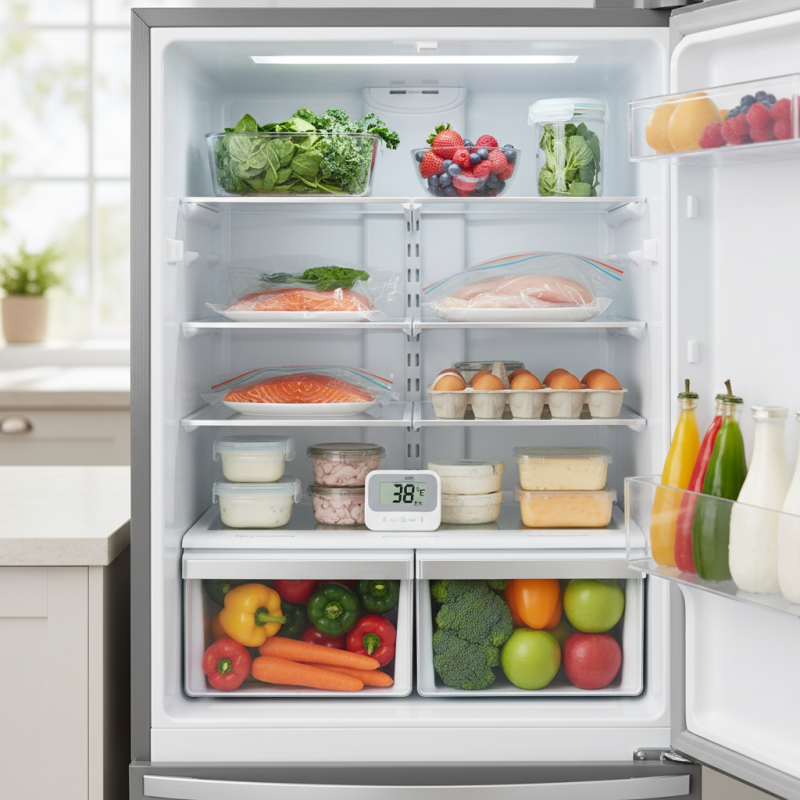
In addition to ensuring safety, the correct fridge temperature helps maintain the quality and freshness of perishable items. A study published by the International Journal of Food Science has shown that storing perishable foods at or below 40°F can extend their shelf life and preserve their nutritional value. For instance, dairy products and fresh produce retain their taste and texture longer when kept at optimal temperatures. Some experts recommend using an appliance thermometer to accurately monitor the fridge's internal temperature, as refrigerator settings alone may not reflect real-time conditions. By prioritizing fridge temperature management, consumers can significantly mitigate the risk of foodborne pathogens while enjoying fresher, tastier meals.
Fridge Temperature Settings and Food Safety
Understanding the ideal fridge temperature can significantly improve food safety and freshness. The chart below illustrates the recommended temperature settings for a fridge and their corresponding food safety implications.
Recommended Temperature Range for Refrigerators and Freezers
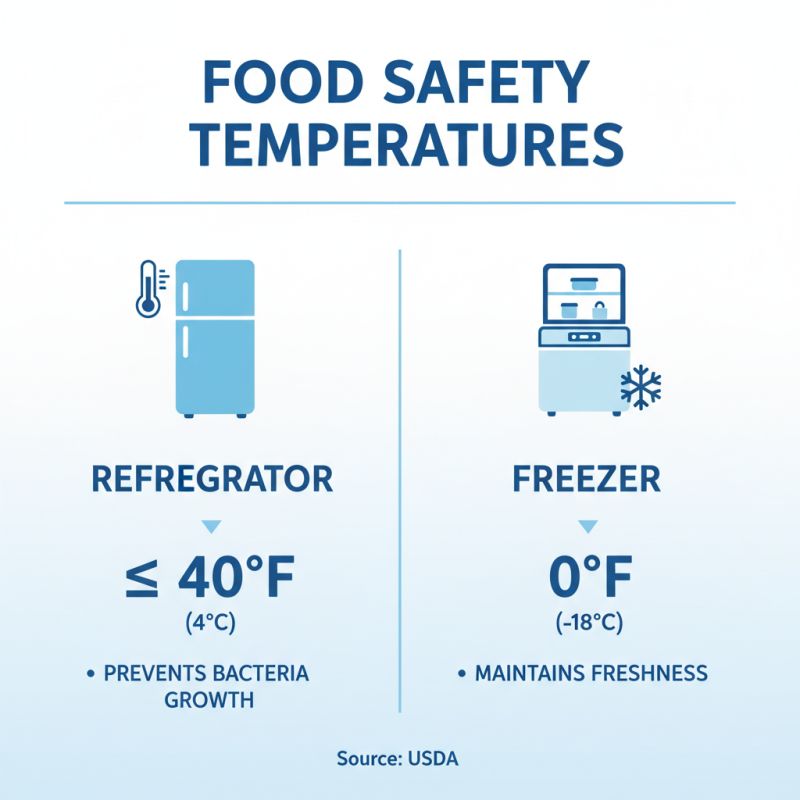
When it comes to food safety and freshness, maintaining the correct temperature in your refrigerator and freezer is crucial. The USDA recommends that refrigerators be kept at or below 40°F (4°C) to prevent the growth of harmful bacteria. For freezers, the ideal temperature is 0°F (-18°C). Adhering to these guidelines ensures that perishable items like meat, dairy, and produce remain fresh while minimizing the risk of foodborne illnesses.
To optimize your fridge’s performance, it’s essential to use an appliance thermometer to validate that temperature settings are accurate. According to a report from the Food Safety and Inspection Service, nearly one in six Americans get sick from foodborne diseases each year, often due to improper storage conditions. Regularly checking the temperature can help mitigate this risk and extend the shelf life of your groceries.
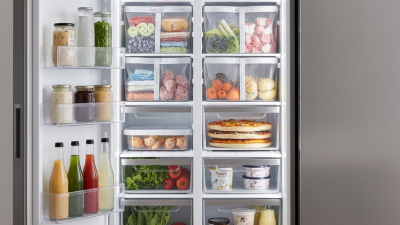
Tips: Avoid overloading your refrigerator, as this can restrict air circulation and lead to warmer temperatures. Additionally, be mindful of how you store food; placing hot leftovers directly into the fridge can raise the overall temperature. Allowing them to cool down first can contribute to a more stable environment for food preservation.
How Temperature Affects Food Freshness and Quality
Temperature plays a crucial role in preserving food freshness and quality. When food is stored at the correct temperature, it minimizes the growth of bacteria and slows down the enzymatic processes that lead to spoilage. For most refrigerators, maintaining a temperature between 32°F and 40°F (0°C to 4°C) is ideal to keep perishable items like fruits, vegetables, dairy products, and meats fresh for extended periods. At these temperatures, the texture and taste of the food are preserved, ensuring that they remain enjoyable and safe for consumption.
Furthermore, different types of food require specific temperature considerations to maintain their quality. For example, leafy greens and berries may benefit from slightly cooler temperatures, while items like milk and eggs should be stored in the main compartment of the fridge where the temperature is stable. Understanding how temperature affects the longevity and palatability of these foods can help consumers make informed choices about their storage practices, contributing not only to food safety but also to reducing waste. By regularly monitoring and adjusting fridge temperatures, individuals can better safeguard their food, prolong its shelf life, and enhance overall meal quality.
Common Myths and Misconceptions About Fridge Temperature
When it comes to refrigerator temperature, there are several myths and misconceptions that can lead to improper food storage and safety issues. One common belief is that temperature settings must be at their coldest to keep food fresh. While it is essential to maintain a cool environment, setting the fridge to the absolute lowest temperature can actually increase the risk of freezing certain items, such as leafy greens and fruits.
Most experts recommend keeping the fridge temperature between 35°F and 38°F (1.6°C to 3.3°C) for optimal freshness without compromising the quality of your food.
Another misconception is that the back of the refrigerator is the coldest place, and therefore, items should only be stored there. In reality, temperature can vary within different zones of the fridge due to airflow dynamics. The bottom shelves often maintain a more stable temperature, making them ideal for storing dairy and meats. Conversely, the door, which is subject to the most fluctuations due to frequent opening, is a poor choice for perishable items like eggs and milk. Understanding these nuances can help ensure that food remains safe, fresh, and flavorful while minimizing waste.
Tips for Maintaining Consistent Fridge Temperatures
Maintaining a consistent fridge temperature is crucial for ensuring food safety and preserving freshness. According to the U.S. Food and Drug Administration (FDA), the ideal refrigerator temperature should be set at or below 40°F (4°C). Keeping your fridge within this range slows the growth of bacteria, which can proliferate rapidly at warmer temperatures, potentially leading to foodborne illnesses. Monitoring your fridge's temperature is essential, as variations can compromise food quality and safety.
To help maintain consistent temperatures, make sure to organize your refrigerator properly. Avoid overloading your fridge, as this can obstruct airflow and prevent cold air from circulating effectively. It’s advisable to utilize refrigerator thermometers to routinely check the internal temperature and ensure it remains stable. Additionally, keep the fridge door closed as much as possible; each time the door is opened, the internal temperature can rise significantly, affecting the surrounding items.
Another tip is to prevent warm air from entering by allowing hot foods to cool down to room temperature before placing them in the fridge. This small change can help maintain a more regulated temperature inside. Regularly clean your fridge, particularly around the vents, to avoid dust buildup that can interfere with cooling efficiency. Small adjustments can lead to a safer and fresher food storage experience.