What is a Portable Refrigerator and How Does It Work?
Portable refrigerators are becoming essential for modern living. They offer an efficient way to keep food and drinks cold while on the go. Whether you’re camping, traveling, or enjoying a backyard barbecue, these compact units provide convenience and practicality.
Understanding how portable refrigerators work can enhance your experience. They typically use either compressor technology or thermoelectric cooling. This allows them to maintain low temperatures effectively. While many people rely on ice for cooling, portable refrigerators eliminate the need for this messy option. They operate quietly and use less energy, making them ideal for various situations.
Despite their benefits, it’s important to recognize the limitations. Some portable refrigerators may not perform well in extremely hot conditions. Battery life can also impact usability during long trips. Thoughtful consideration of your needs will help you choose the best model. Overall, portable refrigerators are a useful tool that can improve outdoor experiences and everyday life.
What is a Portable Refrigerator?
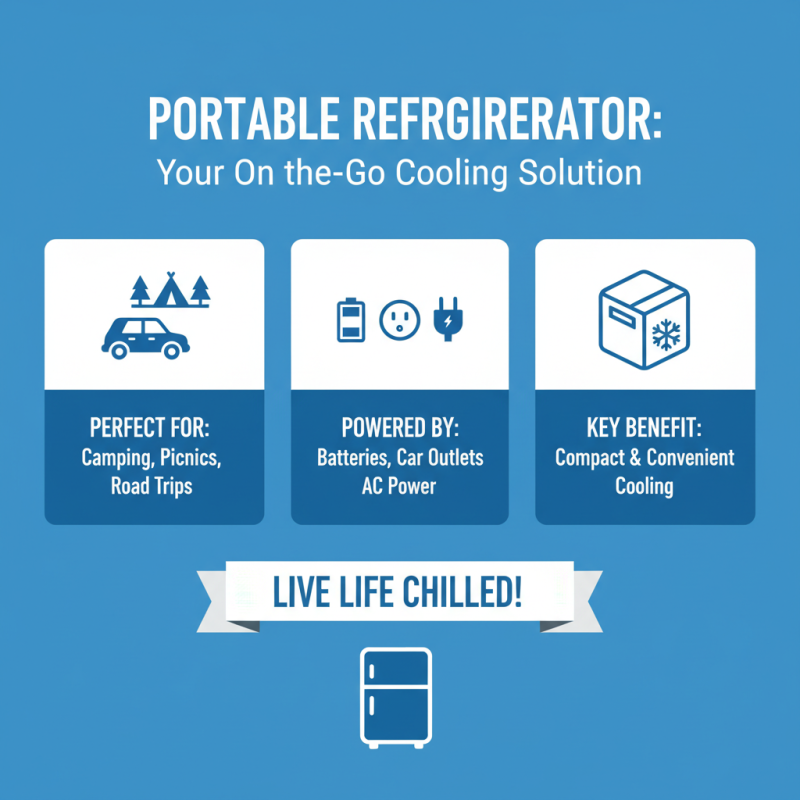
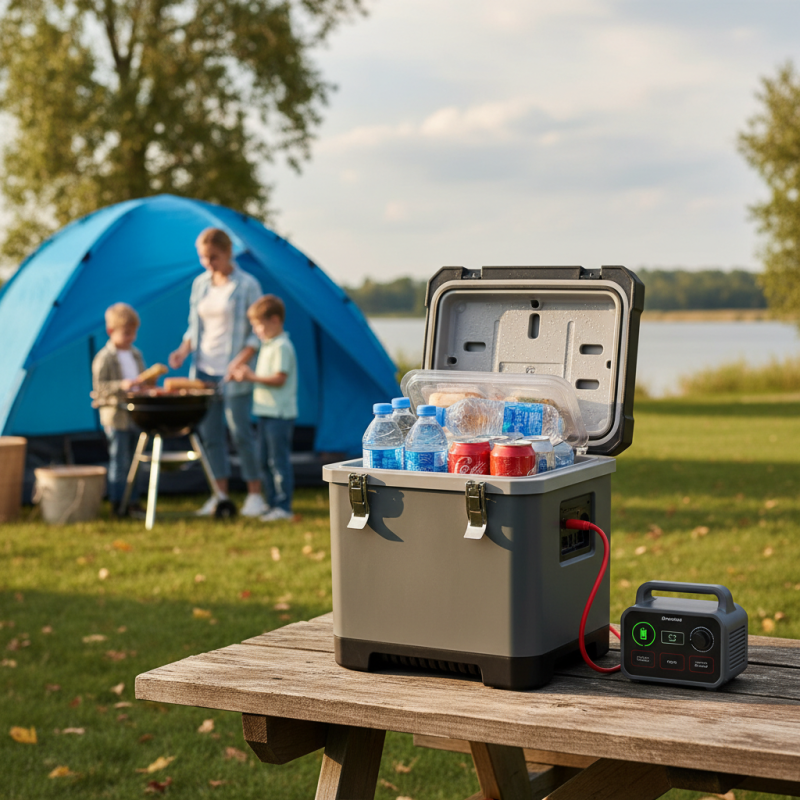
A portable refrigerator is a compact cooling solution designed for on-the-go lifestyles. It is perfect for camping trips, picnics, or road trips. These units are powered by various energy sources, including batteries, car outlets, or AC power. This flexibility makes them convenient for outdoor use.
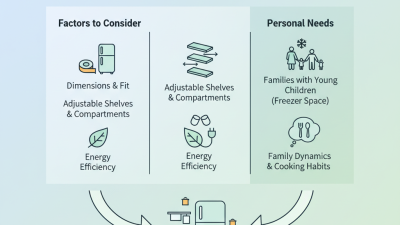
The design of portable refrigerators often includes adjustable shelving and compartments. These features help organize food and drinks effectively. While they can maintain low temperatures, some models may struggle to reach the same efficiency as traditional refrigerators. Users may find that larger items don’t fit easily. Careful planning is required for proper storage.
Despite their benefits, there are challenges to consider. Power consumption varies by model, and some may drain batteries quickly. If you forget to charge it, your cooling needs may not be met. Users should be mindful of these aspects when choosing a portable refrigerator. Awareness of its limitations can enhance your outdoor experience.
Key Components of a Portable Refrigerator
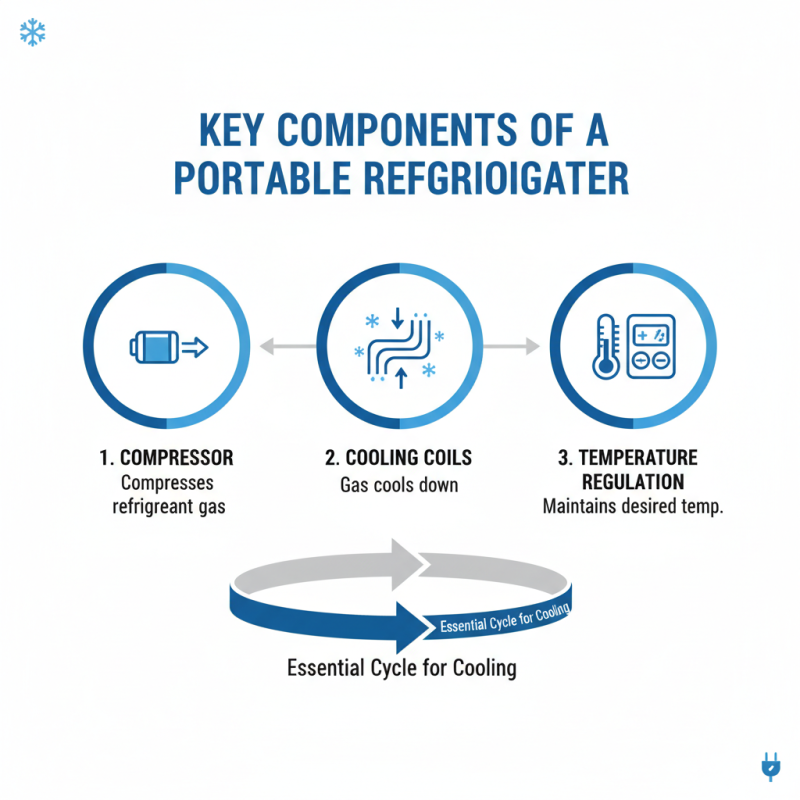
Portable refrigerators consist of several key components that make them efficient and effective for cooling. The compressor plays a vital role in this process. It compresses the refrigerant gas, raising its temperature and pressure. As the gas moves through the cooling coils, it begins to cool down. This cycle is essential for temperature regulation.
Another important component is the evaporator. This part absorbs heat from the interior of the refrigerator. As heat is absorbed, the refrigerant evaporates, turning into a gas. This allows the interior to cool. The insulation around the unit also matters. Good insulation helps maintain temperature and reduces energy consumption.
Cooling fans circulate the cold air throughout the unit. However, the performance can vary based on the design and environment. Some users may find that larger models take up space, while smaller ones struggle with capacity. Portability is crucial, but compromises may arise in energy efficiency or freezing capabilities.
How Portable Refrigerators Work: The Cooling Process
Portable refrigerators are practical solutions for keeping perishable items cold while on the go.
Understanding how they work helps you make better choices when using one. The cooling process typically involves a
compressor, condenser,
evaporator, and expansion valve.
The compressor circulates refrigerant gas, compressing it into a high-pressure state. As it moves through the condenser,
heat dissipates, and it becomes a liquid. This liquid then enters the evaporator, where it expands and absorbs heat from
inside the fridge, creating a cooling effect.
To ensure your portable refrigerator functions effectively, keep it out of
direct sunlight. Sunlight can increase the internal temperature, making
the fridge work harder. This reduces its efficiency. Also, close the door quickly after use. Each time you open it, warm air enters,
which the unit must cool down again.
Regular maintenance is key. Check seals for wear and tear. A poor seal can lead
to inefficiency. Additionally, periodically clean the condenser coils. Dust accumulation can hinder cooling performance.
A little reflection here: consider how often you might overlook these tasks in the hustle of daily life.
Taking a few moments can ensure optimal operation and prolong the lifespan of your portable fridge.
Types of Portable Refrigerators Available on the Market
Portable refrigerators have become essential in various settings, from camping trips to tailgating events. They cater to consumers seeking convenience and flexibility. The market offers different types, each with unique features and capabilities.
One popular type is the thermoelectric portable refrigerator. These units use the Peltier effect to cool without moving parts, making them lightweight and compact. They are ideal for short trips, as they typically maintain a temperature range of 35°F to 45°F. In contrast, compressor-based models are more robust. They can chill items to lower temperatures, often achieving 0°F in some cases, making them suitable for extended outdoor adventures. According to a report from the International Association of Refrigerated Warehouses, the portable refrigerator market is expected to grow by 15% annually, highlighting rising consumer interest.
Solar-powered options have gained traction due to their eco-friendliness. They are especially effective for off-grid camping and can even power small appliances. However, they may require consistent sunlight exposure. The first solar units cost around $1,000, which raises questions about accessibility for some users. Consumers need to weigh the upfront investment against potential long-term savings and environmental benefits. This dynamic reflects the ongoing evolution in the portable refrigeration space, catering to diverse needs and preferences.
What is a Portable Refrigerator and How Does It Work? - Types of Portable Refrigerators Available on the Market
| Type |
Cooling Method |
Power Source |
Capacity (Liters) |
Weight (kg) |
| Thermoelectric |
Peltier Effect |
AC/DC |
20-30 |
5 |
| Compressor |
Vapor Compression |
AC/DC |
30-50 |
15 |
| Absorption |
Absorption Cycle |
Gas or Electricity |
40-60 |
20 |
| Solar Refrigerator |
Various Technologies |
Solar Power |
20-80 |
25 |
Benefits of Using a Portable Refrigerator for Outdoor Activities
When it comes to outdoor activities, a portable refrigerator offers many advantages. Imagine going camping or having a picnic without worrying about spoilage. With a portable fridge, you can store fresh fruits, veggies, and beverages. It keeps everything cold, enhancing your outdoor experience. No one wants warm drinks on a hot day. The ability to enjoy chilled food can make a big difference.
Portable refrigerators are easy to transport. Most models are lightweight and compact. You can easily fit one in your car or RV. They use less energy than a traditional fridge, making them eco-friendly for outdoor use. Many people also appreciate their ability to run on different power sources, such as car batteries. It's important to choose a model that suits your specific needs. You might regret not getting enough storage space or battery life.
However, using a portable fridge isn't without challenges. Sometimes, they can be expensive upfront. You also need to monitor the temperature regularly. A malfunctioning unit can spoil your food, leaving you with a problem on your trip. Planning is vital, especially when packing your meals. Take your time to ensure you've made the best choice for your adventures.
Advantages of Using a Portable Refrigerator for Outdoor Activities