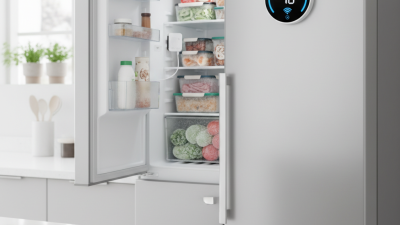
How to Set the Perfect Refrigerator Temperature for Optimal Food Preservation
Maintaining the right refrigerator temperature is essential for optimal food preservation. As we navigate our busy lives, it can be easy to overlook the critical role temperature plays in the safety and longevity of our food. A refrigerator set at the recommended temperature not only helps to inhibit the growth of bacteria but also preserves the freshness and nutritional value of perishable items. Understanding how to set and monitor the refrigerator temperature effectively can make a significant difference in reducing food waste and saving money on groceries.
In this guide, we will explore the ideal temperature range for refrigerators, the consequences of improper temperature settings, and best practices for maintaining an efficient refrigeration environment. By learning how to calibrate your refrigerator temperature, you can ensure that your food stays fresher for longer, ultimately benefiting both your health and your wallet. Whether you're a seasoned culinary enthusiast or someone simply looking to safeguard their family's meals, having the right refrigerator temperature is the first step toward smarter food management.
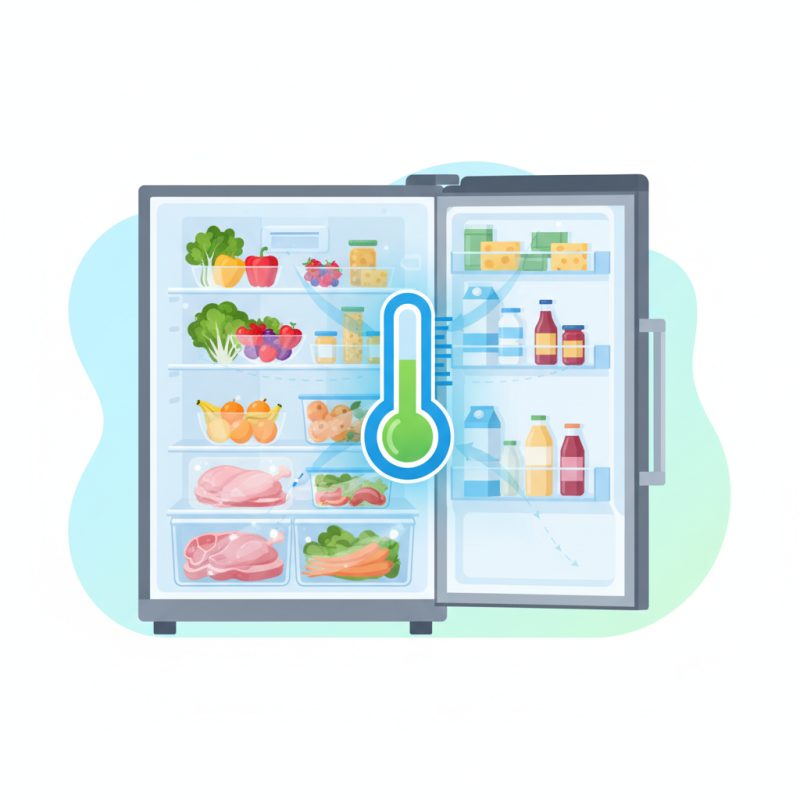
Understanding the Importance of Refrigerator Temperature for Food Safety
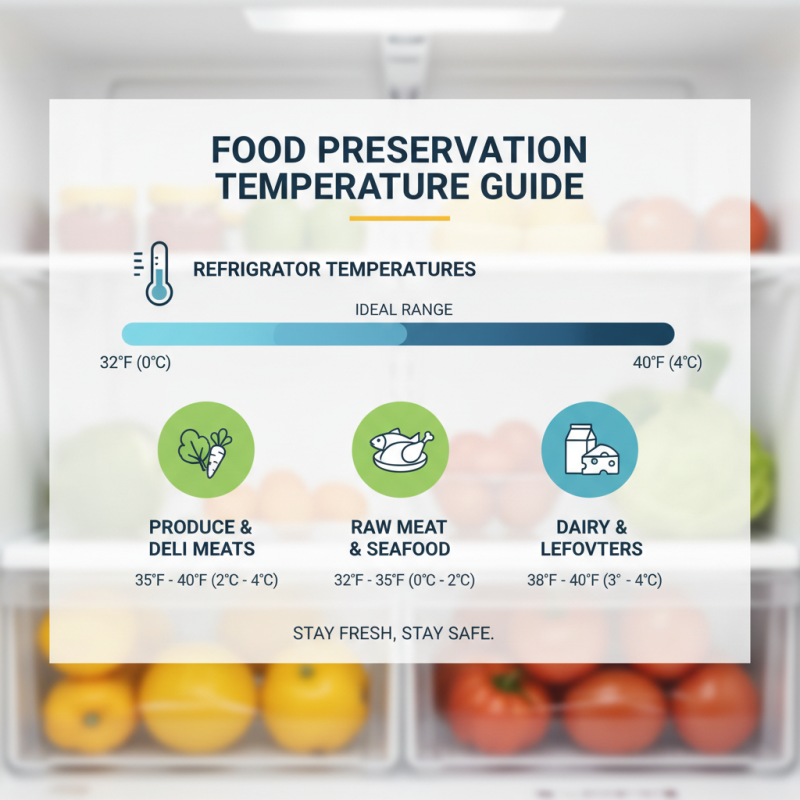
Maintaining the correct temperature in your refrigerator is crucial for ensuring food safety. The ideal refrigerator temperature ranges from 32°F to 40°F (0°C to 4°C). Within this range, the growth of harmful bacteria, such as Salmonella and E. coli, is significantly slowed down, reducing the risk of foodborne illnesses. Regularly monitoring the temperature with a thermometer can help avoid the risk of food spoilage and keep your meals safe to consume.
Additionally, understanding the importance of refrigerator temperature extends beyond just food safety; it also impacts the longevity and quality of your groceries. Properly stored food retains its taste, texture, and nutritional value longer when kept at the right temperature. Foods like dairy, meats, and certain fruits and vegetables can degrade quickly if not chilled appropriately. Therefore, keeping your refrigerator organized and ensuring adequate air circulation can help maintain consistent temperatures, further enhancing food preservation efforts.
How to Set the Perfect Refrigerator Temperature for Optimal Food Preservation
| Food Item |
Optimal Temperature (°F) |
Storage Time |
Notes |
| Dairy Products |
34-40 |
Up to 2 weeks |
Keep tightly sealed |
| Meat |
30-34 |
1-2 days |
Store in original packaging |
| Vegetables |
33-40 |
1 week |
Avoid washing before storage |
| Fruits |
32-40 |
3-7 days |
Store separately to reduce spoilage |
| Leftovers |
34-40 |
3-4 days |
Reheat thoroughly before consuming |
Recommended Temperature Ranges for Different Types of Food Products
When it comes to food preservation, maintaining the correct refrigerator temperature is crucial. Different types of food require specific temperature ranges to stay fresh and safe for consumption. Generally, the ideal refrigerator temperature should be set between 32°F and 40°F (0°C to 4°C). However, certain foods thrive at more specific temperatures within this range.
For dairy products like milk and cheese, keeping the temperature around 34°F to 36°F (1°C to 2°C) can help maintain their freshness and prevent spoilage. Vegetables and fruits, on the other hand, have varying needs; leafy greens should be kept a bit colder, around 33°F (1°C), while most fruits do well at about 36°F to 38°F (2°C to 3°C). For meats, ensuring that the refrigerator is at or below 40°F (4°C) is essential to inhibit bacterial growth, with raw meats ideally stored on the bottom shelf to prevent cross-contamination with other foods.
Eggs, condiments, and leftover meals typically fare well at standard refrigerator temperatures. Eggs should be stored at temperatures close to 36°F (2°C) for optimal quality, while condiments usually do best at around 40°F (4°C) or slightly lower. By understanding and adhering to these recommended temperature ranges, you can enhance the longevity of your groceries while reducing food waste.
Impact of Inconsistent Temperatures on Food Shelf Life and Quality
Inconsistent temperatures in a refrigerator can significantly affect food shelf life and quality, leading to increased food waste and potential health risks. According to the U.S. Department of Agriculture (USDA), food kept at temperatures above 40°F can enter the "danger zone" where bacteria can multiply rapidly. Items stored in fluctuating temperatures often experience early spoilage, with studies indicating that specific perishables, like dairy products and meats, can lose quality and safety within hours if not kept at a stable and optimal temperature range.
A report by the Food Safety and Inspection Service (FSIS) highlights that maintaining a refrigerator temperature at or below 40°F not only prolongs the shelf life of food but also preserves its nutritional value and taste. For instance, fresh produce can remain crisp and vibrant for longer periods, and meat can retain its flavor and texture, minimizing the risk of spoilage at critical points.
Furthermore, a consistent temperature reduces the risk of foodborne illnesses, which affect millions of people annually; the Centers for Disease Control and Prevention (CDC) estimate that these illnesses lead to approximately 128,000 hospitalizations and 3,000 deaths in the United States each year. By ensuring a steady and appropriate temperature, consumers can enjoy fresher food, reduced waste, and enhanced safety.
How to Accurately Measure and Adjust Your Refrigerator Temperature
To ensure food safety and quality, accurately measuring and adjusting your refrigerator's temperature is crucial. The USDA recommends setting your refrigerator at or below 40°F (4°C) to inhibit the growth of harmful bacteria. A common misconception is that a lower temperature equals better food preservation; however, temperatures below 32°F (0°C) can actually lead to freezing, which may compromise the texture and flavor of certain foods.
To measure your refrigerator's temperature accurately, use an appliance thermometer, which is more reliable than simply relying on built-in indicators. Place the thermometer in the center of the middle shelf for the most accurate reading. It's also beneficial to check the temperature periodically, especially during seasonal changes, as the internal temperature can fluctuate. Making small adjustments to your refrigerator's settings can ensure your food is kept at the optimal temperature.
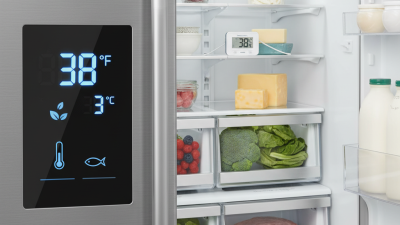
**Tips:** Regularly clean your refrigerator's coils to improve efficiency, and avoid overcrowding to maintain consistent airflow. Additionally, if your refrigerator has a digital display, use it as a guide, but always verify with a thermometer for the most reliable results. Keeping an eye on your food’s storage duration can also prevent spoilage and waste.
Common Myths About Refrigerator Temperatures and Food Preservation
When it comes to refrigerator temperatures and food preservation, various myths often cloud our understanding. One common belief is that setting the refrigerator temperature to the coldest setting will keep food fresher for a longer time. However, the U.S. Food and Drug Administration (FDA) recommends that the ideal refrigerator temperature should be at or below 40°F (4°C). At this temperature, the growth of harmful bacteria is significantly limited, which is crucial for food safety. Setting the fridge too cold can also lead to food freezing, compromising texture and flavor.
Another prevalent myth is that food can be stored indefinitely in the fridge without spoiling. In reality, while refrigeration slows down the deterioration process, it does not stop it completely. According to the USDA, various foods have different shelf lives, even when kept at the correct temperature. For instance, cooked leftovers should be consumed within 3 to 4 days, while raw meat can safely be stored for only 1 to 2 days. Understanding these nuances helps consumers make informed decisions about food storage, reducing waste and enhancing safety in the kitchen.