Aegis provides affordable, low power Wi-Fi sensor network solutions that make a ubiquitous sensing world come alive and a full line of controlled temperature cabinets. Laboratory, Pharmacy and Chromatography refrigerators and freezers which are designed to meet the dimensional and temperature requirements of the scientific community.

China Top Cold Plunge Cooling Unit Manufacturers?
China has become a major manufacturing base for wellness equipment, including the Cold Plunge Cooling Unit. Its advantages are visible in compressor sourcing, stainless-steel fabrication, electronic controls, and export logistics. Yet low pricing alone proves little. A reliable unit must maintain stable water temperatures, manage condensation, and support safe filtration during repeated use.
The Global Wellness Institute reported that the global wellness economy reached approximately $6.3 trillion in 2023. It also projects growth toward nearly $9 trillion by 2028. Research and Markets’ Cold Plunge Pools Global Market Report 2024 identifies rising consumer interest, fitness recovery, and home wellness as important market drivers. These figures show opportunity. They do not guarantee product quality.
Dr. Susanna Søberg, a researcher in cold exposure and author of Winter Swimming, describes cold exposure as “a stressor that trains the body to produce heat.” Her view offers useful context, but it should not replace medical advice. A cooling unit is only one part of a safe experience. Water hygiene, electrical protection, temperature control, and clear operating instructions matter just as much.
This guide examines China’s leading manufacturers through practical evidence. It considers cooling capacity, compressor brands, heat-exchanger materials, filtration design, noise levels, certifications, warranty terms, and after-sales support. A showroom demo can look impressive. Long-term performance is harder to verify. Supplier audits, factory records, sample testing, and transparent technical specifications deserve more attention than polished photographs. Some manufacturers publish incomplete data. That is a weakness worth acknowledging. The best purchasing decision may require patience, technical questions, and independent verification.
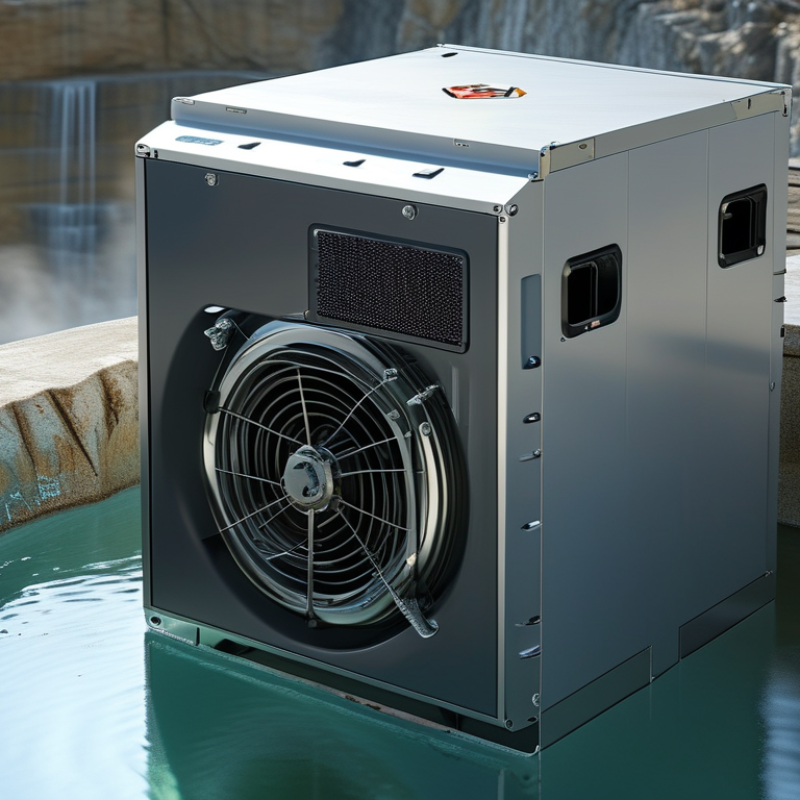
Table of Contents [Hide]
What Is a Cold Plunge Cooling Unit?
A cold plunge cooling unit is a system that lowers and maintains the temperature of water in a plunge tub. It usually combines a compressor, heat exchanger, water pump, temperature sensor, and control panel. The unit removes heat from the circulating water, then returns cooler water to the tub. It is more precise than adding ice by hand.
In practical use, water passes through a filter before reaching the cooling system. This helps reduce particles that may affect the pump or heat exchanger. A digital controller allows users to set a target temperature, often for different training routines. Stable water flow matters. Without it, cooling becomes uneven and the compressor may work harder than necessary.
Good equipment should provide clear temperature readings, reliable insulation, and suitable electrical protection. Noise also deserves attention, especially in home recovery spaces. A compact unit may look convenient, but small capacity can mean slower cooling during frequent use. That trade-off is easy to miss.
Regular cleaning is still necessary, even with filtration. No cooling unit replaces responsible water maintenance or safe user preparation.
In my view, manufacturers should publish testing conditions, cooling times, power use, and recommended tub volumes. Marketing numbers alone can mislead. Real performance changes with room temperature, water volume, cover quality, and how often the tub is opened.
Contact Us
Phone
Toll Free: 1-800-796-2344
OH: 513 204 5837
PA: 215-281-9180
support@site_367d8ed1-a876-442b-a1d7-b1fc1cf4ed19