Top 10 Vaccine Refrigerators for Safe Storage and Optimal Performance
In the realm of public health, the safe storage of vaccines is paramount to maintaining their efficacy and preventing outbreaks of preventable diseases. The role of a vaccine refrigerator is crucial in this process, as it ensures that vaccines are stored at the appropriate temperatures to retain their potency. With a variety of models available on the market, selecting the right vaccine refrigerator can feel overwhelming for healthcare facilities, pharmacies, and vaccination clinics.
This article aims to highlight the top 10 vaccine refrigerators, focusing on their features, capacities, and optimal performance. We will explore the essential criteria necessary for effective vaccine storage, such as temperature consistency, energy efficiency, and reliability. By providing an in-depth review of each model, we hope to guide healthcare professionals in making informed choices that safeguard their precious stock of vaccines. Ultimately, investing in the right vaccine refrigerator is not just a matter of convenience, but a critical step in ensuring public health and safety.
Understanding Vaccine Storage Requirements: Temperature and Humidity Specifications
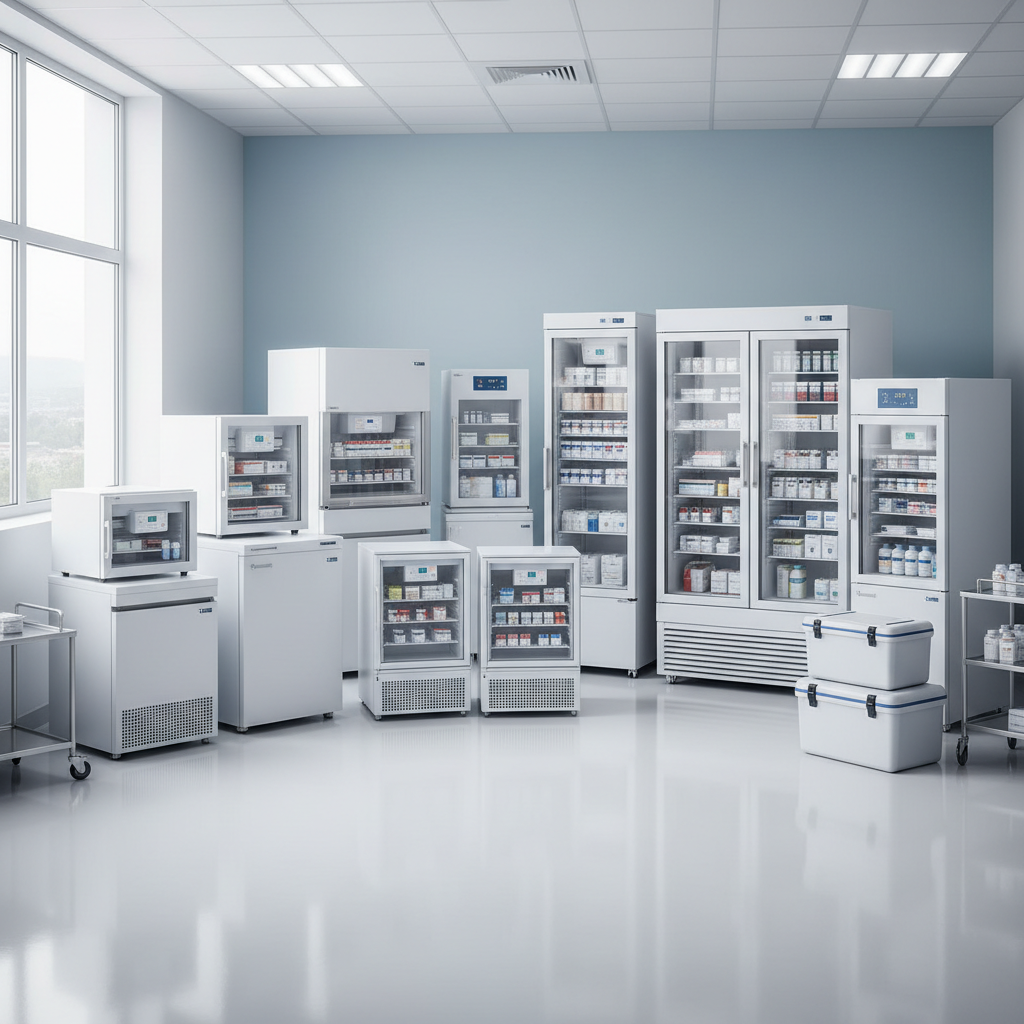
When it comes to vaccine storage, maintaining precise temperature and humidity levels is crucial to ensure the efficacy of the vaccines. Typically, vaccines should be stored between 2°C and 8°C (35°F and 46°F) to avoid any degradation of their active ingredients. Additionally, some vaccines may require even stricter storage conditions, necessitating monitoring systems that can alert users to any deviations from these critical parameters.
Humidity control is equally important, as high humidity can lead to condensation inside storage units and potentially compromise the integrity of the vaccines. Vaccine refrigerators should therefore incorporate features like humidity regulation systems to maintain optimal levels, typically between 30% and 70%. By understanding these storage requirements, healthcare providers can select the most suitable vaccine refrigerators that not only adhere to these specifications but also ensure safe storage and optimal performance under all circumstances.
Key Features to Look for in a Vaccine Refrigerator for Maximum Efficiency
When selecting a vaccine refrigerator to ensure safe storage and optimal performance, several key features warrant consideration. Temperature control is paramount; a reliable refrigerator should maintain a consistent temperature between 2°C and 8°C, as recommended by the CDC. Fluctuations outside this range can compromise vaccine efficacy. According to a 2021 report by the World Health Organization, maintaining the cold chain is crucial, with a failure matching an estimated cost of $300 million in wasted vaccines annually.
Another critical feature is the refrigerator's ability to provide alarms and alerts for temperature deviations. Modern units often come equipped with digital displays that monitor temperatures in real-time, ensuring immediate response to potential issues. A study published in the Vaccine journal showed that refrigerators with alarm monitoring systems significantly reduced the incidents of vaccine spoilage. Furthermore, energy efficiency must not be overlooked; equipment rated under the Energy Star program can save healthcare facilities up to 30% in electricity costs while reducing the environmental impact.
Ultimately, selecting a vaccine refrigerator with these key features not only safeguards public health but also ensures cost-effective operations in medical facilities. As the demand for COVID-19 vaccination campaigns continues, prioritizing the right storage solutions is more critical than ever.
Comparing Energy Consumption and Cost-Effectiveness of Top Vaccine Refrigerators
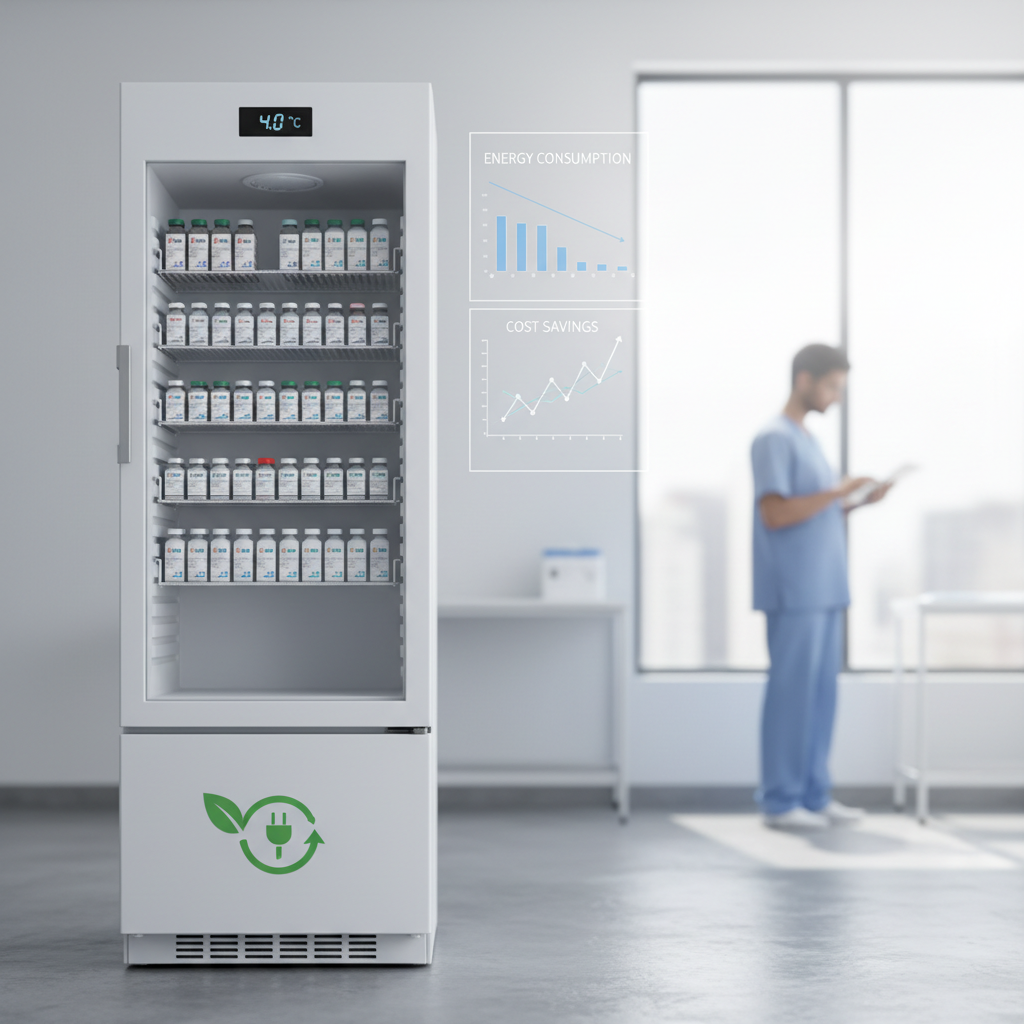
When selecting a vaccine refrigerator, energy consumption and cost-effectiveness are critical factors to consider. According to the U.S. Department of Energy, refrigeration accounts for approximately 14% of residential energy use, which translates to a significant expense when scaled to commercial operations, particularly in healthcare settings. Data from the CDC indicates that maintaining proper vaccine storage temperatures is essential, as even a slight temperature fluctuation can lead to vaccine spoilage and loss. Hence, choosing a model that is energy-efficient can not only mitigate operational costs but also assure the integrity of vaccine storage.
Several top models in the market today demonstrate a balance of low energy consumption and high performance. For instance, the Energy Star-rated refrigerators typically consume 20% less energy than non-rated models, making them more cost-effective over time. Moreover, a 2020 analysis from the Refrigeration Research Institute highlighted that investing in high-quality equipment, although initially more expensive, ultimately provides better long-term savings due to lower energy bills and reduced risk of vaccine loss, which can amount to thousands of dollars in wasted inventory. This strategic approach to evaluating both energy use and cost-effectiveness can significantly impact healthcare facilities' operational efficiency and overall budget management.
Ensuring Compliance: FDA and WHO Standards for Vaccine Storage Equipment
When it comes to vaccine storage, compliance with FDA and WHO standards is crucial for ensuring the efficacy and safety of vaccines. Both organizations advocate for precise temperature control, with recommended storage conditions typically between 2°C and 8°C (36°F and 46°F). Studies indicate that deviations beyond these parameters can compromise vaccine integrity, leading to ineffective immunizations and increased public health risks. According to a report from the World Health Organization, maintaining optimal storage conditions can significantly reduce vaccine wastage and enhance vaccination programs' success rates.
Tips: Regularly calibrate your refrigerator’s temperature monitoring system to ensure accurate readings. Invest in appliances that come equipped with alarms and alerts for temperature fluctuations to catch any potential issues promptly. Furthermore, consider using data loggers that provide continuous monitoring and can be reviewed retrospectively for compliance audits.
It is also vital to have a robust disaster preparedness plan for your storage facility. The CDC emphasizes that facilities should have backup systems in place, including secondary refrigeration units and contingency plans for power outages. Organizations with stringent adherence to these standards are more likely to maintain the potency of vaccines, thereby contributing to effective public health outcomes.
Maintenance Best Practices for Vaccine Refrigerators to Ensure Optimal Performance
Proper maintenance of vaccine refrigerators is crucial for ensuring the safety and efficacy of stored vaccines. Regularly checking the temperature settings is a fundamental practice. Vaccines are sensitive to temperature fluctuations; therefore, maintaining a consistent temperature range (typically between 2°C and 8°C) is essential. Caregivers should utilize calibrated thermometers for accurate readings and monitor temperature logs daily. If any deviations occur, it’s vital to take immediate corrective actions, such as adjusting the thermostat or checking the power supply.
Another significant maintenance practice involves routine cleaning and inspection of the refrigerator. Dust and debris can obstruct airflow, leading to inefficient cooling. Regularly wipe down the interior surfaces with mild disinfectants, and ensure the door seals are intact to prevent cool air loss. Additionally, scheduled professional servicing can help identify potential issues before they affect the refrigerator's performance. Implementing these best practices not only maximizes the effectiveness of vaccine storage but also safeguards public health by ensuring vaccines remain viable for administration.
Top 10 Vaccine Refrigerators for Safe Storage and Optimal Performance - Maintenance Best Practices for Vaccine Refrigerators to Ensure Optimal Performance
| Model |
Temperature Range (°C) |
Capacity (Liters) |
Power Consumption (W) |
Noise Level (dB) |
Warranty (Years) |
| Model A |
2 to 8 |
300 |
150 |
40 |
3 |
| Model B |
2 to 8 |
400 |
200 |
39 |
4 |
| Model C |
2 to 8 |
200 |
120 |
42 |
5 |
| Model D |
2 to 8 |
350 |
180 |
38 |
3 |
| Model E |
2 to 8 |
500 |
220 |
36 |
4 |
| Model F |
2 to 8 |
300 |
140 |
41 |
5 |
| Model G |
2 to 8 |
250 |
130 |
43 |
3 |
| Model H |
2 to 8 |
400 |
190 |
37 |
5 |
| Model I |
2 to 8 |
300 |
160 |
40 |
4 |
| Model J |
2 to 8 |
450 |
210 |
36 |
5 |