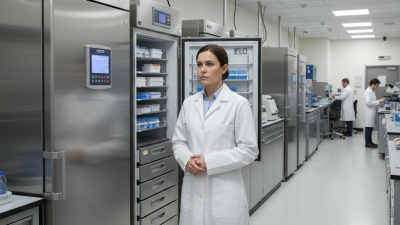
Why Choose a Medical Freezer for Vaccine Storage?
Choosing the right medical freezer can protect vaccine potency, reduce waste, and support safer clinical decisions. Vaccines are not ordinary inventory. Their effectiveness depends on controlled storage from delivery to administration.
Dr. John D. Grabenstein, a recognized vaccine expert, has described vaccines as “among the most temperature-sensitive pharmaceutical products.” That warning makes temperature control a practical responsibility, not a technical luxury. A purpose-built medical freezer offers stable performance, calibrated monitoring, door alarms, and temperature records. These features help staff detect problems before valuable doses are compromised.
Small details matter. A crowded chamber can block airflow. Frequent door opening can create temperature swings. A misplaced probe may report conditions that do not represent the stored vaccines. The right unit should match the vaccine type, required temperature range, storage volume, and facility workflow. It should also support routine maintenance, backup planning, and documented staff training.
No freezer is automatically safe.
Reliable storage still depends on human decisions. Staff must check alarms, review logs, inspect seals, and respond quickly to deviations. Manufacturer guidance and applicable public-health requirements should remain the final reference. A medical freezer can strengthen the cold chain, but it cannot repair poor procedures.
That is the point worth examining in this guide. The best choice is not always the largest or most expensive model. It is the one that provides dependable control, clear evidence, and practical protection every day. Sometimes, careful planning matters more than impressive specifications.

Vaccine Cold-Chain Standards: CDC Storage Ranges from 2°C to 8°C
Why Choose a Medical Freezer for Vaccine Storage?
Vaccine storage depends on the product, not simply the equipment name. Under CDC guidance, many routinely used vaccines require a stable refrigerator range of 2°C to 8°C. This range is narrow. A temperature near 9°C can become a serious storage concern, especially after repeated exposure. Medical refrigerators are designed for this range, while medical freezers should only store vaccines labeled for frozen conditions.
Cold-chain control involves more than setting a thermostat. In daily practice, staff should use a calibrated digital data logger, record minimum and maximum temperatures, and review readings regularly. Keep vaccines in their original packaging, away from vents and walls. Open the door briefly. Frequent access can create unstable zones.
Small details matter.
A power failure, loose seal, or overloaded shelf may cause an unnoticed temperature excursion. If readings fall outside 2°C to 8°C, do not immediately discard the vaccines. Isolate them, document the time and temperature, and contact the relevant immunization authority or manufacturer for guidance. This step is often overlooked. A display showing 5°C does not prove every vial stayed safe. Placement, airflow, and monitoring quality still require careful review.
Medical Freezer Selection by Vaccine Type and Temperature Requirement
Choosing a medical freezer starts with the vaccine, not the cabinet’s advertised lowest temperature.
The CDC Vaccine Storage and Handling Toolkit (2024) lists 2–8°C for refrigerated vaccines. It lists −50 to −15°C for standard frozen storage. Ultra-cold products may require −90 to −60°C. These ranges are not interchangeable.
A food freezer may show a cold display yet create warm pockets near the door. That detail is easy to miss. WHO guidance identifies temperature excursions as a major cause of vaccine waste. The often-cited WHO estimate says up to 50% of vaccines may be wasted through temperature-control problems. The figure varies by setting, so it deserves careful interpretation.
Match the freezer to product stability data, storage volume, and monitoring needs.
Freeze-sensitive vaccines belong in validated refrigerators, never in a freezer. Frozen vaccines need stable airflow, quick recovery after door opening, and separated baskets. Ultra-cold storage needs qualified equipment, backup power, and an emergency transfer plan.
A calibrated digital data logger should record temperatures continuously. CDC guidance recommends checking and documenting readings at least twice daily. A remote alarm helps, but it cannot replace staff response. A neat specification sheet is not enough. I would recheck actual temperature mapping after installation.
Tips:
Keep vaccines in original cartons. They reduce light exposure and support lot identification. Leave space between packages and interior walls. Place the probe beside products, inside a buffered vial or glycol bottle.
Record minimum and maximum readings. Do not “fix” an excursion by guessing. Quarantine affected stock and follow manufacturer stability guidance. This cautious step may feel slow. It is safer than silently returning questionable vials to service.
WHO’s Effective Vaccine Management approach also stresses maintenance, trained staff, and documented corrective action.
Ultra-Low Storage at −60°C to −80°C for Specialized Vaccine Products
Why Choose a Medical Freezer for Vaccine Storage?
Ultra-Low Storage at −60°C to −80°C for Specialized Vaccine Products
Some specialized vaccine products require storage between −60°C and −80°C. A medical freezer is designed for this narrow temperature range. Household freezers often fluctuate during door opening and defrost cycles. That variation can weaken temperature-sensitive materials, even when the display looks acceptable.
Cold stability needs evidence.
In a working storage room, staff should check calibrated probes, alarm settings, and temperature records every day. A freezer with rapid recovery helps limit warming after brief door openings. Adjustable shelves also keep products visible, reducing search time and unnecessary exposure. Small details matter, such as labeling each box with its expiry date and storage position.
Colder is not always safer. This assumption needs review. Always follow the product’s approved storage instructions. Some products may tolerate short excursions, while others require immediate assessment. A written response plan should identify who investigates alarms, who documents the event, and when a qualified professional must be contacted. Backup power can protect inventory during an outage, but it is not a complete solution. Staff still need drills, clear access routes, and an independent temperature check.
The best setup combines equipment, trained handling, and reliable records. It should also allow routine maintenance without disrupting stored products. Frost buildup, blocked vents, or an overloaded chamber can create uneven temperatures. These problems are easy to overlook. Regular inspection makes the system more dependable.
Temperature Monitoring: Continuous Logging and ±0.5°C Stability Targets
Why Choose a Medical Freezer for Vaccine Storage?
Temperature control is not a one-time setting. It is a continuous process that protects vaccine potency during storage, loading, and door openings. A medical freezer should support continuous temperature logging at short intervals, such as every five minutes. The record should show actual readings, alarm events, and recovery periods. A stable display alone is not enough.
A ±0.5°C stability target offers a practical benchmark for sensitive materials. It should describe measured temperature variation around the approved setpoint, not just the number shown on the control panel. Place the calibrated probe near the stored vaccines, away from walls and vents. Use a buffered sensor when appropriate. This reduces misleading air-temperature swings. Small details matter.
The alarm system should notify staff before conditions become unsafe. Clear thresholds, battery backup, and retained data improve response and accountability. During routine checks, staff should review graphs rather than only current readings. A brief door opening may create a sharp peak, while poor airflow can produce a slow drift.
That assumption deserves scrutiny. Even a high-quality freezer can fail if shelves are overloaded, doors remain open, or sensors are poorly positioned. Calibration should follow a documented schedule, with corrective actions recorded after every excursion. Temperature logs also support internal reviews and demonstrate disciplined storage practices.
Risk Reduction Through Alarms, Backup Power, and Validated Medical Freezers
Why Choose a Medical Freezer for Vaccine Storage?
Vaccine storage leaves little room for guesswork. A validated medical freezer maintains a documented temperature range during routine operation. It also supports temperature mapping, calibration, and scheduled performance checks. These records help staff identify weak spots before an excursion damages valuable doses.
Alarms provide an immediate warning when temperatures rise, doors remain open, or power fails. The warning should reach responsible staff, not only someone standing nearby. Backup power adds another layer of protection during outages. A generator, battery system, or emergency circuit can preserve stable conditions until normal electricity returns. Still, backup power is not automatic safety. It requires testing, fuel checks, and clear response procedures.
Small details matter. Staff should record readings, inspect seals, and avoid tightly packing shelves. Air must circulate around every container. A freezer can look clean and reliable while its internal temperature varies by location. That is why validation should include real measurements from multiple points. No system is flawless. Alarms may be ignored, batteries may weaken, and procedures may become outdated. Regular drills and honest review can expose these gaps. A brief alarm test today may prevent a costly temperature loss tomorrow.