2026 Top Refrigerator Cooler Types for Global Buyers
Choosing a refrigerator cooler in 2026 requires more than comparing capacity and appearance. Global buyers face different climates, voltage systems, kitchen sizes, energy labels, and service conditions. A model that performs well in a cool European apartment may struggle in a humid tropical warehouse.
This guide examines the leading refrigerator cooler types for homes, offices, hotels, retailers, and outdoor applications. It considers cooling performance, insulation, compressor design, temperature stability, noise, portability, maintenance, and total ownership cost. Practical details matter. A 12-volt unit may suit a camper, while a large inverter model may better serve a busy family kitchen. Door seals, ventilation space, and shelf layout also influence daily performance.
Energy efficiency deserves close attention. Buyers should check recognized regional labels, rated power consumption, climate class, voltage compatibility, and refrigerant information before ordering. Warranty coverage and local repair access can be just as important as the purchase price. A cheaper refrigerator cooler may become expensive when replacement parts travel across borders.
Some product categories overlap, and manufacturers do not always use consistent names. That creates confusion. Marketing claims can also sound stronger than real-world results. Independent testing is useful, but it cannot represent every climate or usage pattern. This overview therefore offers practical guidance rather than a universal ranking. Readers should confirm local regulations, electrical requirements, installation conditions, and after-sales support before making a final decision. Fresh food deserves reliable protection. Mistakes still happen.
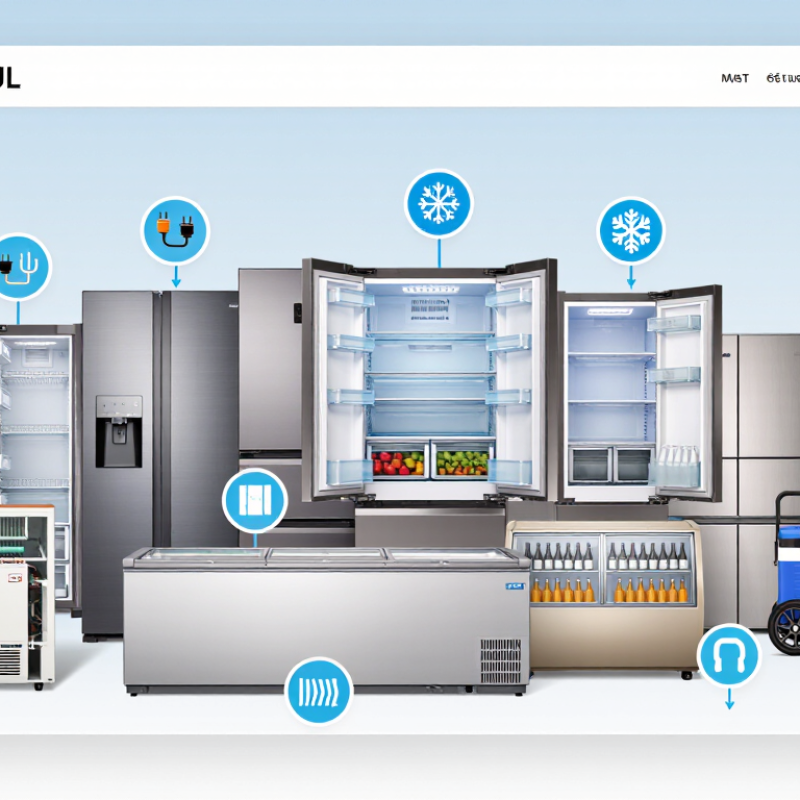
2026 Refrigerator Cooler Taxonomy: Formats, Capacities, and Global Buyer Segments
2026 Top Refrigerator Cooler Types for Global Buyers
2026 Refrigerator Cooler Taxonomy: Formats, Capacities, and Global Buyer Segments
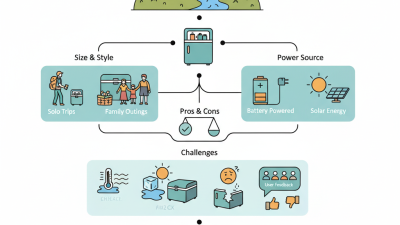
Refrigerator coolers now serve sharply different purchasing needs. Format selection should begin with installation space, mobility, and cooling workload. Compact thermoelectric units suit offices, hotel rooms, and personal vehicles. They usually handle drinks and small meals, but struggle in very hot cabins.
Portable compressor coolers provide stronger temperature control for outdoor work, medical transport, and long-distance travel. Capacity matters here. Units below 30 liters fit individual users, while 40 to 70 liters support families or field teams. Larger models need more power, stronger handles, and careful vehicle placement.
Small under-counter refrigerators work well in apartments, guest rooms, and shared workplaces. Full-height models serve households that need separate fresh-food and frozen storage. Chest-style freezers prioritize volume and stable low temperatures, although access becomes slower. That trade-off is easy to underestimate.
Global buyers should compare voltage compatibility, plug configuration, ambient-temperature performance, insulation, noise, and service access. Coastal markets may need better corrosion resistance. High-altitude regions can expose weak compressor systems. These details are practical, not decorative.
Buyer segments also differ by risk tolerance. Hospitality operators often value quiet operation and predictable cleaning. Retail buyers may prioritize shelf visibility and energy reporting. Outdoor users usually accept fewer features for stronger mobility. Public-sector procurement requires clearer documentation and repeatable testing.
No taxonomy is perfect. A 90-liter unit may serve a family, a clinic, or a small retailer. The final category depends on use, climate, and replacement access. That part still deserves more careful buyer research.
How to read this chart: Refrigerator formats are grouped by typical net storage capacity for global buyer planning. Compact units suit small homes, offices, hospitality rooms, and urban apartments, while French-door and side-by-side formats are more suitable for larger households and premium kitchen layouts. Capacity values are representative industry ranges converted from cubic feet to liters; actual specifications vary by market and model.
Top-Freezer to French-Door Models: ENERGY STAR’s 10% Efficiency Benchmark
2026 Top Refrigerator Cooler Types for Global Buyers
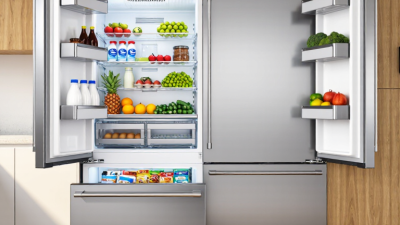
Top-freezer, bottom-freezer, side-by-side, and French-door refrigerators serve different kitchens and climates.
Top-freezer models usually offer simple layouts, compact depth, and lower purchase costs. French-door designs provide wide shelves, useful for large dishes, but their extra doors and ice systems may increase energy use.
Check the annual kilowatt-hour figure, not only the capacity.
ENERGY STAR’s current refrigerator specification requires certified models to use at least 10% less energy than the applicable federal minimum standard. This benchmark gives buyers a practical starting point.
The U.S. Department of Energy’s refrigerator test procedures also compare models under controlled temperature and loading conditions. Real homes are less predictable. A refrigerator beside a hot oven may consume more electricity.
The International Energy Agency’s Energy Efficiency 2023 report identifies appliances as an important household efficiency opportunity. For global buyers, voltage, ambient temperature, and service access matter as much as the energy label.
A 600-liter French-door model may look efficient on paper, yet waste space in a small household. A modest top-freezer can be the better choice.
Sometimes, less is smarter.
The 10% benchmark is valuable, but it is not magical. Door-opening habits, worn seals, and overfilled shelves still deserve attention. Industry testing helps, but household behavior decides much of the final result.
Side-by-Side and Bottom-Freezer Coolers: The 4°C Food-Safety Standard
For global buyers, the 4°C food-safety standard is a practical target for modern refrigerator coolers. The FDA Food Code sets cold-holding limits at 5°C (41°F) or below, while USDA FSIS advises keeping home refrigerators at 4.4°C (40°F) or lower. The WHO estimates that contaminated food causes about 600 million illnesses each year. Temperature control matters.
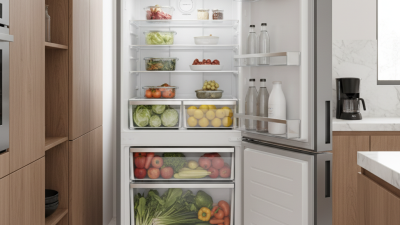
Side-by-side coolers offer clear shelf organization and quick access to chilled foods. Their narrow compartments may struggle with wide trays. Bottom-freezer models place frequently used fresh food at eye level, reducing repeated bending. Both designs need stable airflow. Do not pack shelves tightly. A crowded cabinet can create warm corners, especially near the door. Actual temperature may differ from the display. This is easy to forget.
Tips: Place a refrigerator thermometer on the middle shelf. Check it after loading groceries and during hot weather. Keep raw meat sealed below ready-to-eat foods. Set the cabinet near 4°C, but do not freeze leafy vegetables. Energy data from the International Energy Agency shows refrigeration remains a major household electricity load worldwide, so efficient insulation and short door openings also matter. One honest limitation: a digital setting cannot replace measurement. Calibration, room temperature, and opening habits still influence food safety.
Compact and Portable Coolers: IEC 62552 Testing and EU A–G Energy Labels
Compact and portable coolers are becoming practical choices for apartments, vehicles, small offices, and outdoor workspaces. In 2026, global buyers should examine more than advertised capacity. The IEC 62552:2020 series defines laboratory methods for measuring storage volume, energy consumption, cooling performance, and temperature stability. These tests create a useful comparison point. Real use can still differ. Frequent lid opening, hot weather, and poor ventilation may increase consumption.
The EU A–G energy label applies only to products covered by relevant European regulations. Buyers should check the product category before comparing labels. A compact refrigerator may carry an EU label, while a portable thermoelectric cooler may follow different rules. The label shows annual energy use, expressed in kilowatt-hours, plus capacity and noise information. The European Commission’s EPREL system provides registered product data and supports verification through QR codes.
The International Energy Agency reported that global cooling demand could more than triple by 2050 without stronger efficiency measures. Small improvements matter. A cooler using 0.35 kWh daily consumes about 128 kWh annually.
I would not judge efficiency from class alone. Insulation quality and temperature recovery deserve equal attention. Data sheets sometimes omit recovery time. That is a weakness. A careful buyer should request test conditions, ambient temperature, and usable internal volume before purchase.
Commercial Display Refrigerators: HACCP’s ≤5°C Cold-Chain Requirement
Commercial Display Refrigerators: HACCP’s ≤5°C Cold-Chain Requirement
Commercial display refrigerators help global buyers protect food quality under constant customer access. In many HACCP-based plans, chilled high-risk foods are maintained at 5°C or below. Local regulations may differ, so operators must verify the applicable requirement. A display unit is not only a sales fixture. It is a control point.
Practical checks should include product temperature, air temperature, door movement, and loading patterns. A probe placed between packages can reveal warmer conditions than the built-in display shows. Keep products below the marked load line. Leave space around air outlets. Overloading creates hidden warm zones. Frequent door opening adds heat, especially during busy service periods. Small details matter.
Record readings at defined intervals, and calibrate thermometers regularly. Review unusual changes instead of deleting them. A perfect temperature record may look reassuring, but it can also hide weak checking habits. I have found that staff sometimes measure the front package only. That method is quick, yet it may miss warmer stock at the rear. Corrective actions can include moving products, checking seals, reducing the load, or calling qualified maintenance support. Refrigerators should recover quickly after restocking. They should also hold 5°C or below during normal operation, not only during an empty test. Temperature limits, monitoring frequency, and corrective procedures should be written clearly in the HACCP plan.