What is the Best Fridge Temperature Alarm for Your Needs?
Fridge temperature alarms play a crucial role in food safety. In the United States, nearly 48 million people get sick from foodborne illnesses each year, according to the Centers for Disease Control and Prevention. A study published by the International Journal of Refrigeration highlights that improper fridge temperatures can lead to rapid bacterial growth. This emphasizes the need for an effective fridge temperature alarm.
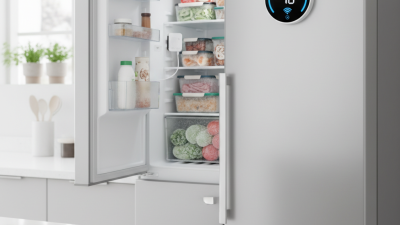
Choosing the right fridge temperature alarm depends on various factors. With options ranging from basic models to advanced smart alarms, each offers unique features. For instance, some alarms can connect to smartphones, alerting users about temperature changes. The choice of alarm should also consider factors like budget and specific needs.
Many consumers underestimate the importance of fridge temperature management. A faulty fridge can spoil food, leading to waste and increased grocery costs. Select a fridge temperature alarm that best suits your situation to ensure food safety and minimize risks.
Understanding the Importance of Fridge Temperature Alarms in Food Safety
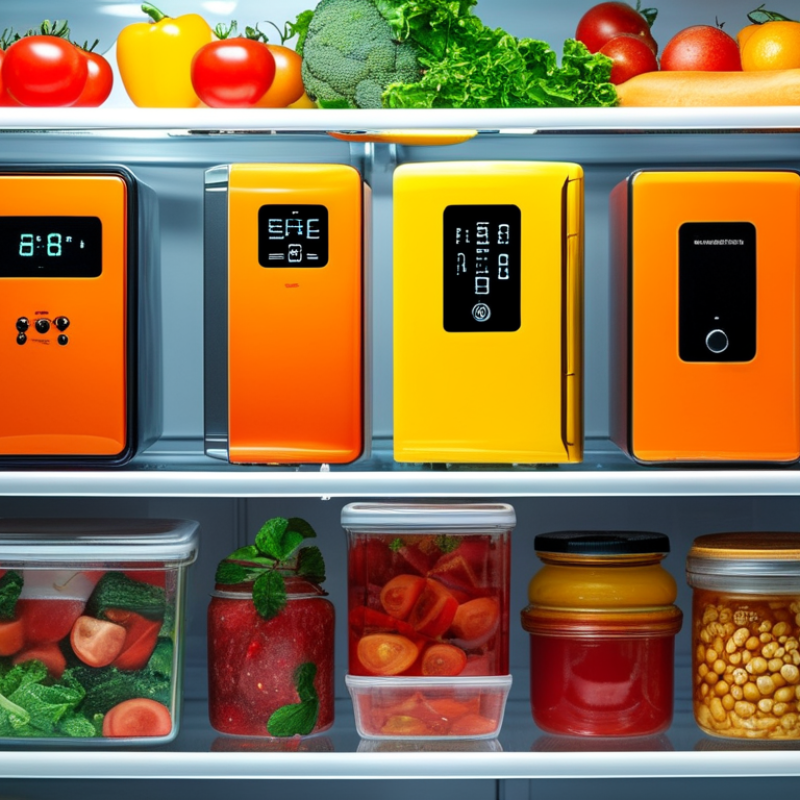
Maintaining the right fridge temperature is crucial for food safety. Temperature fluctuations can lead to food spoilage. Bacteria thrive at unsafe temperatures, increasing the risk of foodborne illnesses. A fridge temperature alarm can help monitor conditions effectively, ensuring that your food stays fresh and safe to eat.
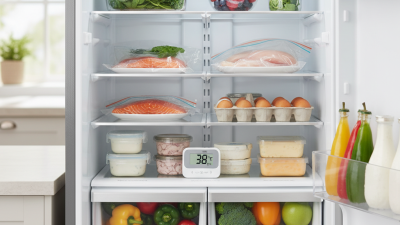
Tips: Regularly check your fridge's temperature settings. The ideal range is between 35°F and 38°F. Use a thermometer to verify accuracy. If there's a sudden temperature change, investigate potential issues. This could include door seals or power supply.
When selecting an alarm, consider your individual needs. Some alarms are more sensitive than others. Others may offer features like smartphone alerts. Think about how quickly you need to respond to temperature changes. An alert system can give you the time needed to fix issues before food spoilage occurs. Always remember, a little preparation goes a long way in preventing waste and ensuring safety.
Key Features to Look for in a Refrigerator Temperature Alarm
When choosing a refrigerator temperature alarm, there are key features to prioritize. First, look for a reliable temperature range. Most refrigerators operate between 34°F and 40°F. An effective alarm should accurately monitor this range and alert you if temperatures rise or fall outside it. Precision is essential. Even small deviations can affect food safety.
Another important feature to consider is the notification system. Some alarms connect to your smartphone, providing real-time alerts. This feature is particularly helpful during power outages or equipment malfunctions. Simple alarms with audible alerts can also be effective, especially for immediate awareness at home.
Battery backup is critical. If your power unexpectedly goes out, you don't want to lose monitoring capabilities. An alarm with a backup can keep functioning for hours. When evaluating options, consider user reviews. These can provide insights into the alarm’s reliability and ease of use. It’s essential to reflect on the potential impact of food spoilage. Every detail counts in ensuring food safety and maintaining freshness.
Comparative Analysis of Top Temperature Alarms on the Market
When it comes to food safety, monitoring temperature is crucial. A reliable fridge temperature alarm keeps you informed about any fluctuations that could compromise your food. In this market, several options cater to diverse needs. Some alarms focus on basic temperature alerts, while others offer advanced features, like remote notifications.
For those who prioritize straightforward functionality, a simple, battery-operated alarm might suffice. Consider an option that emits loud alerts when temperatures rise above 40°F. This sound will catch your attention, especially in a busy household. More advanced models utilize Wi-Fi or Bluetooth, sending alerts straight to your smartphone. However, these features may require regular software updates.
**Tips:** Look for models with user-friendly interfaces. An alarm should be easy to set up and operate. Make sure the device can work during power outages too. Regularly check and test your alarm to ensure it remains functional.
Temperature alarms vary significantly in cost and capability. Higher-priced models often provide more features, but basic alarms can effectively serve many households. Consider your specific needs and budget before making a decision. It's essential to reflect on your usage patterns. You might find that you don't need advanced features after all, or perhaps you crave the peace of mind that innovation provides.
Setting the Optimal Temperature Range for Different Types of Food
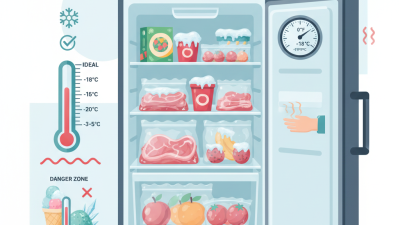
Setting the optimal fridge temperature is crucial for food safety and freshness. Different types of food require different temperature settings. Generally, the safe temperature for most perishables is between 32°F and 40°F (0°C to 4°C).
Dairy products, for instance, thrive best around 38°F. Milk, cheese, and yogurt held at this temperature can last longer. On the other hand, fruits and vegetables do better in slightly different conditions. Leafy greens should be kept just above freezing, around 32°F. It helps maintain their crispness and reduces spoilage.
Tips: Use a fridge thermometer to monitor temperatures accurately. Regularly check your appliance's temperature settings. Remember to organize food to allow air circulation. Overcrowding can lead to uneven cooling. This may seem trivial, but it can drastically affect food quality.
Some foods, like eggs and condiments, can be stored safely at slightly higher temperatures. However, be mindful of how long leftovers sit. Even slight variations in temperature can lead to spoilage. Make necessary adjustments based on what you store. Reevaluate your fridge contents often to maintain peak freshness.
Integrating Smart Technology in Fridge Temperature Monitoring Solutions
Smart technology is revolutionizing fridge temperature monitoring. Traditional methods rely heavily on manual checks. They often lead to forgotten adjustments or overlook temperature fluctuations. Advanced temperature alarms are now available to simplify this vital task. These alarms utilize IoT technology to provide real-time alerts, ensuring that your refrigeration system operates effectively.
Data from a recent industry report indicates that nearly 30% of food waste occurs due to improper storage temperatures. This statistic highlights the necessity for efficient monitoring solutions. Implementing a smart fridge temperature alarm can significantly mitigate this waste. Many of these devices allow users to customize alerts based on their specific needs. This tailored approach ensures that users receive notifications when temperatures deviate from the ideal.
Research also shows that smart alarms can reduce energy consumption by up to 20%. By maintaining optimal temperatures, these devices not only preserve food quality but also enhance energy efficiency. However, users must remain vigilant; technical malfunctions, though rare, can occur. Regular checks and adjustments to settings are still essential. Ultimately, a well-integrated smart temperature monitoring solution can lead to improved food safety and sustainability in the kitchen.