What Is the Ideal Freezer Temperature for Optimal Food Storage?
When it comes to food storage, maintaining the right freezer temperature is crucial. According to Dr. Emily Smith, a food safety expert at the National Food Laboratory, "Keeping your freezer at 0°F (-18°C) is essential for preserving quality and safety." The ideal freezer temperature ensures that food remains frozen solid, preventing spoilage and the growth of harmful bacteria.
Many people are unaware that even a small temperature fluctuation can impact food quality. A freezer that seems cold may not be cold enough if it's hovering above 0°F. It's easy to overlook these details, but they matter significantly. For instance, ice crystals can form on food when temperatures rise slightly. This indicates that food is partially thawing, which can ruin texture and flavor.
Understanding the ideal freezer temperature is more than a technical issue; it's about creating a safe environment for your food. Regularly checking the temperature can prevent unnecessary waste. Reflecting on personal habits can highlight areas for improvement, like opening the freezer too often. Adjusting a few practices can lead to better food preservation.
Understanding Freezer Temperature: Key Concepts and Importance
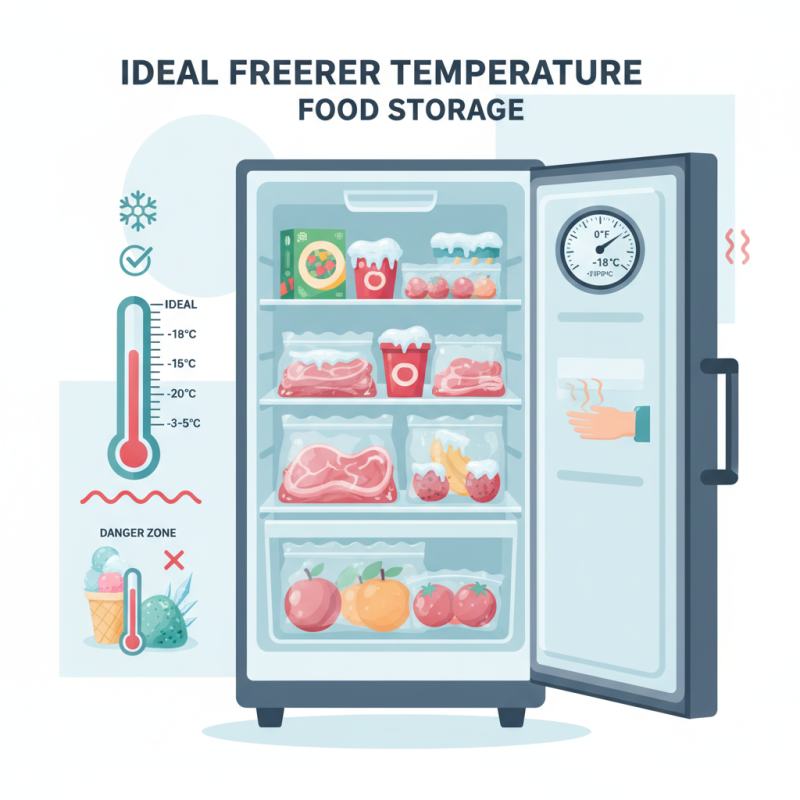
Freezer temperature plays a crucial role in food preservation. Keeping your freezer at the right temperature is essential. The ideal setting is typically around 0°F (-18°C). This temperature helps to maintain food quality and safety. At this level, bacteria growth is slowed significantly. However, many consumers overlook this simple yet vital aspect of food storage.
Understanding freezer temperature is about more than just numbers. Fluctuations in temperature can lead to freezer burn. It can ruin the texture and flavor of food. Regularly checking the temperature can prevent these issues. If your freezer consistently operates above 0°F, it compromises the safety and quality of your food. Many overlook the placement of items in the freezer, too. Proper air circulation enhances efficiency in food preservation.
Monitoring and maintaining your freezer requires effort. Many fail to ensure that the door seals are tight. This oversight can lead to temperature variations. Regular maintenance is key. If you notice frost buildup, it may indicate a problem. Awareness of these details can significantly impact the quality of frozen meals over time. Simple checks and adjustments can lead to better food storage practices.
Recommended Temperature Range for Freezers: A Comprehensive Guide
When it comes to food storage, the ideal temperature range for freezers is crucial. Industry experts recommend keeping your freezer at 0°F (-18°C) or lower. This temperature halts bacterial growth, ensuring food remains safe for consumption. According to the U.S. Food and Drug Administration, food stored at this temperature retains its best quality for longer periods.
Research indicates that many households set their freezers at inappropriate temperatures. A survey found that 30% of home freezers operate above the recommended 0°F mark. This can lead to ice crystals forming, degrading the texture of food items. The USDA advises regularly checking the internal temperature with a reliable thermometer. Although modern freezers often come with built-in settings, manual temperature verification is still important.
A common misconception is that colder is always better. However, excessively low temperatures can freeze food too hard, making it difficult to use. Frozen vegetables may lose their crispness if stored for too long. Be mindful of the recommended storage times. For example, ground meats should ideally be consumed within three months. Regularly assessing both temperature and storage times can enhance food quality significantly.
Ideal Freezer Temperature Ranges for Optimal Food Storage
This chart illustrates the recommended temperature ranges for optimal food storage in freezers. Keeping your freezer at these temperatures helps maintain food quality and safety.
Impact of Temperature on Food Preservation and Safety
Temperature plays a crucial role in food preservation and safety. The USDA recommends that your freezer maintain a temperature of 0°F (-18°C) or lower. At this temperature, food remains safe for an extended period. However, the quality of food can decline over time, even in a freezer. Freezer burn can occur, affecting texture and taste. This phenomenon arises when air reaches the food's surface, causing ice crystals to form.
Studies show that foods stored at higher temperatures lose nutrients more rapidly. For instance, ground meats can lose up to 25% of their vitamin content when stored above 0°F. Additionally, bacteria can become active if the temperature fluctuates. A study published by the Food Marketing Institute noted that 30% of consumers have experienced a power outage affecting their freezers. This highlights the need for proper monitoring.
Regular checks of your freezer's temperature can help maintain food quality. Investing in a reliable thermometer is an easy step. Many people underestimate the risks of improper storage. Own a working digital thermometer? Consider using it more often. It may prevent waste and ensure safety. Each degree matters in the battle against food spoilage and safety issues.
What Is the Ideal Freezer Temperature for Optimal Food Storage? - Impact of Temperature on Food Preservation and Safety
| Food Type |
Ideal Freezer Temperature (°F) |
Recommended Storage Duration |
Notes |
| Meat |
0°F (-18°C) |
6-12 months |
Best to wrap tightly to prevent freezer burn. |
| Fish |
0°F (-18°C) |
3-6 months |
Use within 2 months for best quality. |
| Vegetables |
0°F (-18°C) |
8-12 months |
Blanch before freezing to preserve color and flavor. |
| Fruits |
0°F (-18°C) |
6-12 months |
Wash and prepare before freezing. |
| Dairy Products |
0°F (-18°C) |
1-3 months |
Texture may change after freezing. |
Tips for Maintaining an Ideal Freezer Temperature
Maintaining the ideal freezer temperature is crucial for food safety and quality.
The USDA recommends keeping your freezer at 0°F (-18°C) or lower. At this temperature, food remains frozen, preventing the growth of harmful bacteria.
A digital thermometer can help ensure your freezer stays at the right temperature.
Regularly check the display and calibrate it if necessary.
In addition, overload can impact freezer efficiency. A packed freezer might not maintain a consistent temperature.
It’s best to leave space for air to circulate. According to various food storage studies,
items should be organized so that you can access them without removing everything.
This practice helps maintain the cold air inside.
Don’t forget to keep the door closed as much as possible. Frequent opening lets warm air in, which can raise the temperature.
Also, frost buildup can be a sign of a problem. Excess frost can reduce efficiency and make it harder to maintain that ideal temperature.
Clear any frost occasionally to keep your appliance running smoothly.
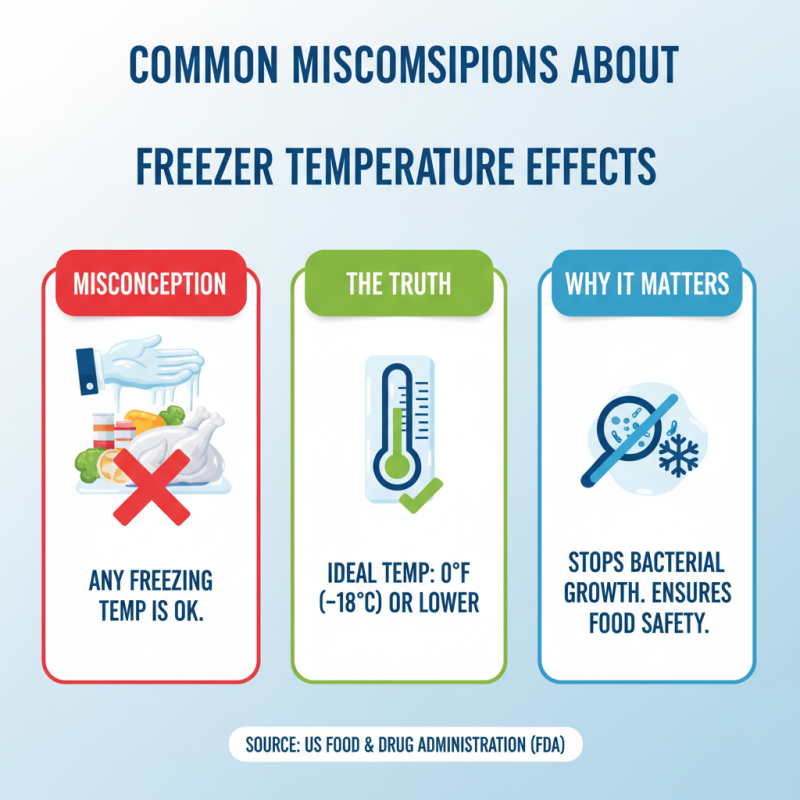
Common Misconceptions About Freezer Temperature Effects
In food storage, misconceptions about freezer temperatures are common. Many believe that any freezing temperature is sufficient to preserve food quality. However, this is not entirely accurate. According to the U.S. Food and Drug Administration (FDA), the ideal freezer temperature for optimal food preservation is 0°F (-18°C) or lower. At this temperature, bacterial growth is halted, ensuring food safety.
Some might think a slightly warmer freezer is still adequate. Yet, research from the National Center for Home Food Preservation shows that even a few degrees of variation can affect food texture and flavor. Ice crystals can form, leading to freezer burn. This impacts not only the appearance but also the nutritional value of the food.
Many people overlook how temperature fluctuations can happen during a power outage. A full freezer will keep food frozen for about 48 hours if kept closed. However, if the power goes out and the temperature rises, food safety becomes a serious concern. Regularly checking your freezer's temperature is crucial. Adjustments may be necessary to maintain the ideal environment for your food. Ignoring this can lead to waste and health risks.