How to Choose the Best Portable Refrigerator Freezer for Travel
Choosing the best portable refrigerator freezer for travel can greatly enhance your outdoor adventures. According to a recent industry report by IBISWorld, the portable refrigeration market has seen a steady growth rate of 5% annually. This reflects a rising demand among travelers seeking convenience and efficiency.
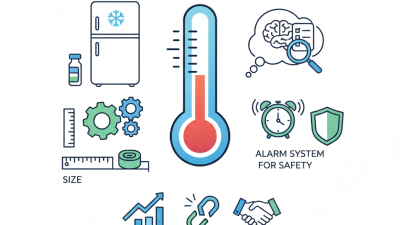
When selecting a portable refrigerator freezer, consider factors such as capacity, energy efficiency, and cooling options. For instance, many models today offer dual-zone cooling, allowing you to store both frozen and chilled items simultaneously. Additionally, a reliable unit should ideally operate quietly and have low power consumption. Consumer Reports highlights that units with better insulation tend to perform consistently in various temperatures, extending their usability in different climates.
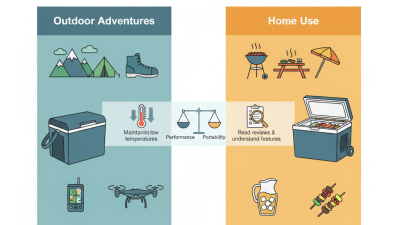
However, not all portable refrigerator freezers are created equal. Some may fail to maintain a consistent temperature or consume too much power. It's crucial to read user reviews and compare specifications. Investigating warranties and customer service options can also provide insight into the brand's reliability. In the journey of choosing the right model, be prepared to weigh your options carefully.
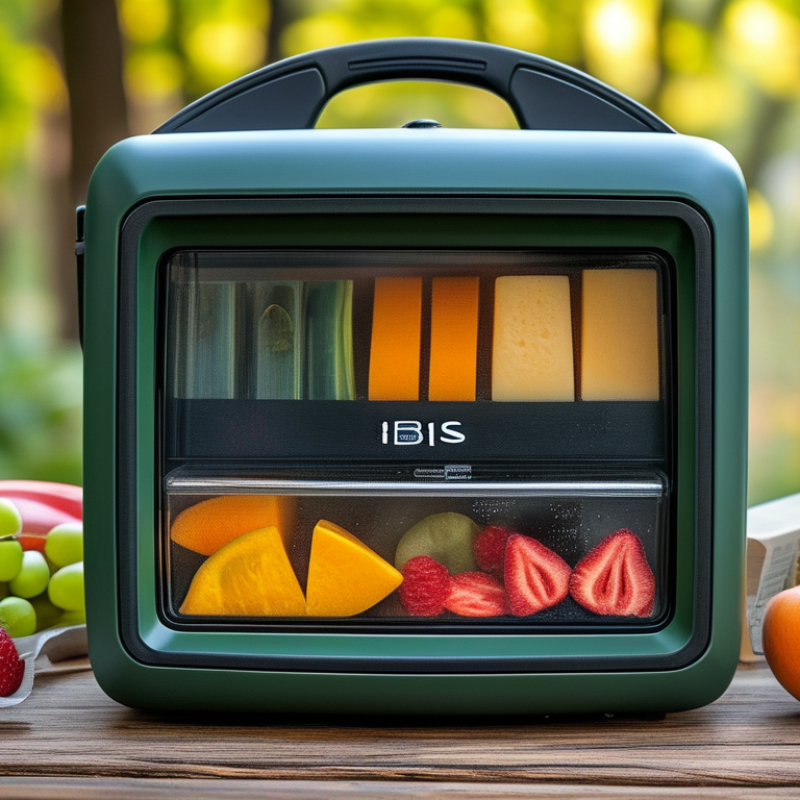
Key Features to Consider in a Portable Refrigerator Freezer
When selecting a portable refrigerator freezer for travel, consider its energy efficiency. Many models offer dual power options, such as AC and DC, which enhance versatility. A unit that consumes less power extends your battery life during off-grid trips. Also, check the insulation quality. Superior insulation keeps food and drinks cold longer, even when temperatures rise.
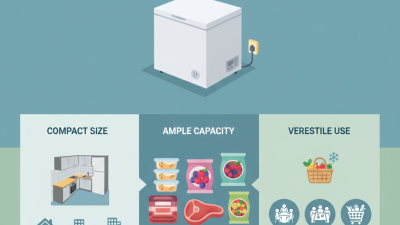
The size and capacity are equally important. Choose a size that fits your vehicle and has enough space for your needs. Think about how many people you are traveling with. A compact design can save space, but small units might not hold sufficient supplies for long trips. Additionally, keep an eye on the cooling performance. Some models reach low temperatures quickly, which is ideal for preserving perishables.
Lastly, consider the ease of use. Features like digital displays or adjustable compartments make for user-friendly experiences. Weight is another factor; lightweight models are easier to transport. While it’s tempting to prioritize features, remember that there's always a trade-off. Balancing all aspects includes reflecting on what you truly need for your travel adventures.
Types of Portable Refrigerator Freezers: Which One Suits Your Needs?
When considering which portable refrigerator freezer best suits your travel needs, understanding the different types is crucial. There are three main types: thermoelectric coolers, compressor-based freezers, and absorption refrigerators. Each type has unique features, capacities, and cooling abilities.
Thermoelectric coolers are great for short trips. They use a simple mechanism to cool down items slightly below ambient temperature. They are lightweight and easy to use, but they may struggle in extremely hot climates. Think about how long you’ll be away and the climate conditions. For a weekend getaway, a thermoelectric cooler might suffice.
Compressor-based freezers are the champions of temperature control. They work efficiently in various weather conditions and can reach low temperatures. If you plan longer trips where fresh food storage is necessary, consider this type. However, they can be bulkier and require more power. Evaluate the available power source during your travels.
Absorption refrigerators offer versatility. They operate silently and can run on gas, AC, or DC power. This flexibility can be useful for remote camping. However, they may not cool as quickly and can be less efficient. Always reflect on your cooling needs and available resources. Balancing size, power options, and cooling requirements is essential for your choice.
Energy Efficiency and Power Options for Travel Refrigeration
When selecting a portable refrigerator freezer for travel, energy efficiency is crucial. Many models boast eco-friendly features, often consuming less than 1 kWh per day. According to the U.S. Department of Energy, energy-efficient appliances can reduce energy consumption by about 25% to 30%. Opting for a model with a good energy rating can significantly lower energy costs on long trips.
Power options also play a key role in maximizing utility. Some portable refrigerators operate on AC and DC power, adapting easily to car and home use. Reports show that units with dual power sources tend to have longer lifespans. Battery life is another important factor. A unit that can run efficiently while connected to your vehicle's power outlet will enhance reliability. Always check if the battery protection system is in place to prevent draining your car battery.
The portability of these units should not overshadow their reliability. Ensure the model you choose is lightweight yet durable. Many users overlook the weight factor, leading to transport issues later. Heavy units can be a hassle during travel. The balance between size, weight, and capacity becomes vital. When in doubt, research reviews and consult energy efficiency ratings before making a decision. Your choice can make a significant difference in the overall travel experience.
Size and Capacity: Finding the Right Fit for Your Travel Requirements
When selecting a portable refrigerator freezer for your travels, size and capacity play crucial roles. Industry reports indicate that travelers often underestimate the power of proper sizing. A refrigerator that is too small won't accommodate all your supplies, while one that's too large can take up valuable space in your vehicle. Aim for a capacity that meets your specific needs. For a weekend trip, a 20 to 30-quart model is typically sufficient. However, longer journeys may require 50 quarts or more to keep everything fresh.
Consider the layout of your vehicle too. A compact design can enhance accessibility without sacrificing too much room. Measurements are essential, especially if you are dealing with tight spaces. For instance, choose a refrigerator that can fit snugly next to your other gear. Remember, maximizing space often means considering unconventional placements.
It's beneficial to calculate how much food you will carry. Keep in mind that you may require extra cooling for drinks and perishables. If you're traveling with a family, a larger model may seem necessary, but don't forget the added weight that comes with it. This can affect fuel efficiency and maneuverability.
Plan your packing strategy as well. Using smaller containers can help you fit more into a compact refrigerator. Packing strategically allows you to maximize your available space. With the right planning, your portable refrigerator freezer can become a vital asset for an enjoyable travel experience.
Budgeting for Your Portable Refrigerator Freezer: What to Expect
When budgeting for a portable refrigerator freezer, it's crucial to consider various factors to help you make an informed choice. The price range for these appliances can vary greatly, usually from a few hundred to over a thousand dollars. Features such as capacity, cooling efficiency, and battery life all impact the price. It's essential to evaluate how often you'll use it and the types of trips you plan. If you're a weekend camper, a smaller model may suffice. However, long road trips might require more energy-efficient options.
Keep in mind that the initial cost is just one part of your budget. Maintenance expenses, such as electricity or propane for cooling, can add up. Factor in any accessories you might need, like additional batteries or solar panels. A high-quality model might have a higher price tag but may also offer better longevity. Think about the trade-offs; a cheaper unit might not last as long or perform well in extreme conditions. It's about balancing upfront costs with long-term reliability.
Consider evaluating reviews from other travelers who have utilized these refrigerators. Real-life experiences can shed light on any shortcomings or advantages that might not be apparent from product descriptions. Some features can look attractive on paper but may not function as well in practical use. Always reflect on your personal needs and how often you foresee using the appliance. This reflection can significantly influence your purchasing decision.