2026 How to Choose Refrigerator Freezers for Your Business
Choosing refrigerator freezers for your business in 2026 starts with how your team works, not with a product brochure. A café storing milk and prepared ingredients has different needs from a busy restaurant or small grocery shop. Estimate what you will store during peak periods, then check usable capacity, shelf layout, and temperature controls. Measure the installation space carefully, including door swing and ventilation clearance. Small details matter.
Compare expected energy use, noise, cleaning access, and service availability alongside the purchase price. A unit that fits neatly into a kitchen may still slow staff down if its shelves are awkward or its doors block a walkway. Check whether the equipment can maintain stable temperatures in your actual room conditions, especially near ovens or in warm storerooms. Ask suppliers for product specifications and warranty details, and confirm who can provide routine repairs. These checks offer a more reliable basis for comparison than appearance alone.
There is no universal best choice. Budget limits, menu changes, and delivery schedules can complicate the decision, and forecasts are sometimes wrong. This guide will help you weigh practical requirements, compare key features, and spot trade-offs before buying. It cannot replace site measurements or advice from a qualified installer, but it can help you ask sharper questions and choose refrigerator freezers that suit your operation today and remain workable as it grows.
Assess Your Business’s Refrigeration Needs
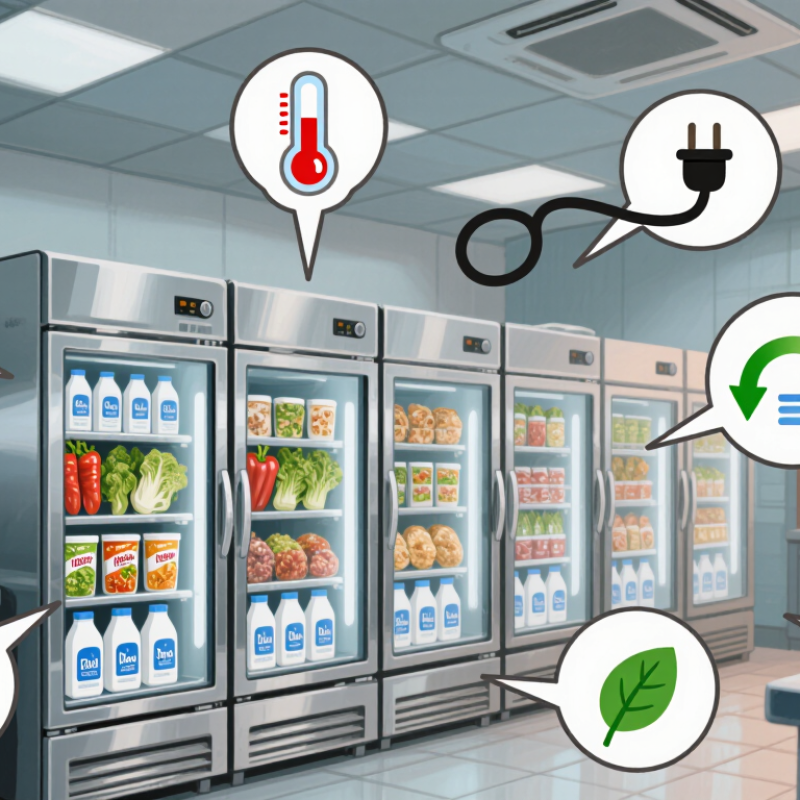
Assess your business’s refrigeration needs before comparing refrigerator freezers. List the foods and drinks you will store, then estimate their volume during a busy shift. A café handling milk, produce, and prepared fillings has different requirements from a shop storing frozen meals. Include delivery quantities, too. A weekly bulk order may need more capacity than daily sales suggest.
Measure the available floor space, doorways, and turning areas before choosing a unit. Check how often staff need chilled and frozen items, and whether doors can open without blocking a work route. In a warm kitchen, heat from ovens can affect cooling performance. Details matter. Note the room temperature, ventilation, and likely door-opening frequency. These small observations can make a capacity estimate more realistic.
Consider cleaning routines, staffing, and temperature checks as part of the assessment. Adjustable shelves may help when stock sizes change, while separate chilled and frozen sections can simplify daily tasks. Decide who will record temperatures and what the team will do if readings drift. A spreadsheet can help track stock and peak demand for several weeks. It may not capture every seasonal rush, though. Leave some room for growth, but avoid paying for space your business cannot use efficiently.
2026 How to Choose Refrigerator Freezers for Your Business — Assess Your Business’s Refrigeration Needs
Use these food-safety temperature targets as a starting point: keep refrigerators at or below 4°C (40°F) and freezers at or below −18°C (0°F). Estimate capacity from your peak inventory, delivery frequency, and busiest service periods, then choose equipment that can maintain these temperatures under normal operating conditions.
Temperature guidance: U.S. Food and Drug Administration (FDA). Follow applicable local food-safety requirements.
Compare Refrigerator-Freezer Types and Configurations
Business refrigerator-freezer choices should reflect how staff handle stock during a busy shift. An upright combination unit stores chilled and frozen goods in one footprint, with shelves that keep cartons visible. Its narrow doors can suit tight aisles, but frequent opening may release cold air. A chest freezer paired with a refrigerator offers deep frozen storage and less exposure when opened. Small items can disappear beneath larger packages. Not ideal.
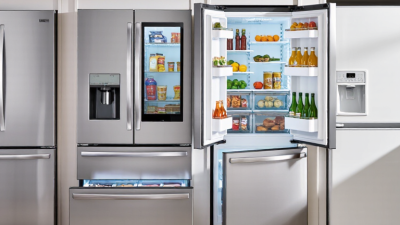
Side-by-side configurations keep both sections close at hand, though their compartments may be narrower than expected. Top-freezer models place chilled items at a convenient height; bottom-freezer drawers can make frozen stock easier to reach. For compact kitchens, undercounter units free up wall space, but their limited capacity requires tighter restocking. Larger operations may consider separate reach-in cabinets or a walk-in room, depending on delivery volume and staff traffic.
Measure door swing, aisle clearance, and the path from the delivery entrance before selecting a layout. A unit can fit on paper yet block a prep cart once installed. Compare usable shelf space, not just advertised capacity, and check that common containers fit without awkward stacking. There is no perfect configuration. Revisit the choice after observing a typical service period; actual traffic can reveal a flaw that measurements miss.
Determine Capacity, Temperature, and Energy Requirements
Measure the food you actually store, not the freezer’s advertised gross volume. Leave room for airflow, baskets, and safe access to daily stock. A useful estimate comes from tracking your busiest week, including deliveries and peak service periods. Note what must be frozen and what needs chilled storage. Guessing from an average day can leave you short.
Temperature needs depend on the products and your operating routine. Check supplier guidance for required storage ranges, then choose equipment that can maintain them during frequent door openings. A small data logger can reveal overnight swings and slow recovery after restocking. Check the display against a separate thermometer. Small discrepancies matter.
Compare energy use in kilowatt-hours per year, but read the test conditions. A unit in a warm, crowded kitchen may use more than its published figure. Look for suitable insulation, door seals, and efficient defrost controls. Keep condenser areas clear, and record energy use after installation. That baseline helps spot changes later. It is easy to overlook the space around a unit; I would measure it twice. Your first estimate may still be wrong.
Check Installation, Safety, and Maintenance Requirements
Before choosing a commercial refrigerator freezer, measure the route from the delivery entrance to its final position. Record doorway width, corridor turns, ceiling height, and the unit’s packaged dimensions. Check that the floor is level and can support the fully loaded cabinet; stored stock adds substantial weight. Leave the specified air gap around vents instead of pushing the cabinet against shelving. Confirm outlet location, voltage, and circuit capacity with a qualified electrician.
Small details matter.
Check that the room’s heat, humidity, and ventilation suit the unit’s operating range. A hot prep area can make compressors work harder and temperatures less stable. Keep the cabinet away from ovens, direct sunlight, and washdown spray. Plan safe access to the plug and isolator, and avoid extension leads unless the installation guidance permits them. For food safety, use a visible thermometer or reliable temperature alarm, and decide who checks it and when.
Easy to overlook.
Before purchase, ask how often condensers, door seals, drains, and filters need cleaning or inspection. Make sure staff can reach service panels without moving stored food into a walkway. Keep a simple log of temperatures, cleaning, and faults; it can reveal a seal that no longer closes properly.
Maintenance plans look tidy on paper, but only routines that fit busy shifts tend to last.
Compare Suppliers, Warranties, and Total Ownership Costs
2026 How to Choose Refrigerator Freezers for Your Business
Compare suppliers on more than the quoted price. Ask for written details about delivery, installation, commissioning, and response times for service calls. A low offer may exclude essentials, such as moving equipment through a narrow doorway. Check warranty length and coverage for parts, labor, and refrigeration components. Read the exclusions. A warranty can sound generous but still leave costly gaps. Request references from businesses with similar storage needs, and ask how quickly routine service is arranged.
Estimate total ownership costs over the freezer’s expected working life. Include purchase price, energy use, maintenance, filters, and likely repairs. Compare energy figures using the same operating assumptions; busy kitchens open doors far more often than quiet test conditions. Check internal capacity, temperature recovery, and how easily staff can clean seals and shelves. A slightly cheaper unit may use more power or disrupt work during repairs. Estimates are imperfect, too. Real energy use depends on room temperature, loading, and staff habits.
Tips: Ask suppliers for itemized quotes and warranty terms in writing. Measure doorways and service access before ordering. Record current electricity use, if available, then review actual costs after installation. Small details matter. Recheck assumptions after a few months; the estimate may need adjusting.