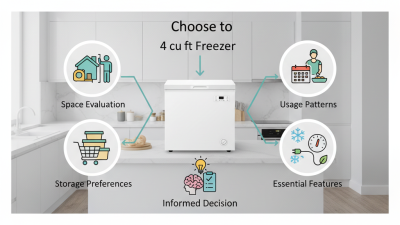
Top Portable Refrigerator Freezer Buying Guide?
Choosing a portable refrigerator freezer is not simply a matter of picking the largest model. It is about matching cooling performance with your actual travel habits, vehicle space, and available power. A weekend camper may need one compact compartment, while a family road trip may require separate frozen and chilled storage. Small differences matter. A lid that opens beside a car seat can save daily frustration.
Portable-cooling consultant Mark Ellison says, “The best portable refrigerator freezer is the one that fits your real routine, not your imagined adventure.” That advice sounds simple, but buyers often ignore it. They compare advertised capacity and overlook battery draw, compressor noise, cable length, and recovery time after opening the lid. I have also seen specifications treated as guarantees. They are not.
This buying guide examines the details that affect practical ownership. It considers temperature range, insulation, compressor reliability, dual-zone design, power protection, and cleaning access. It also explains how ambient heat changes performance inside a parked vehicle. A refrigerator tested in a cool room may behave differently under direct summer sunlight.
There is no perfect unit. Even an efficient model can disappoint when overloaded or poorly ventilated. That is worth admitting. Your decision may involve compromise: more capacity can mean greater weight, while lower energy use may limit freezing speed. The right choice depends on measurable needs, not attractive promises. Before buying, measure your storage space, estimate daily power use, and decide whether frozen food is genuinely necessary. Those three checks prevent many expensive mistakes.
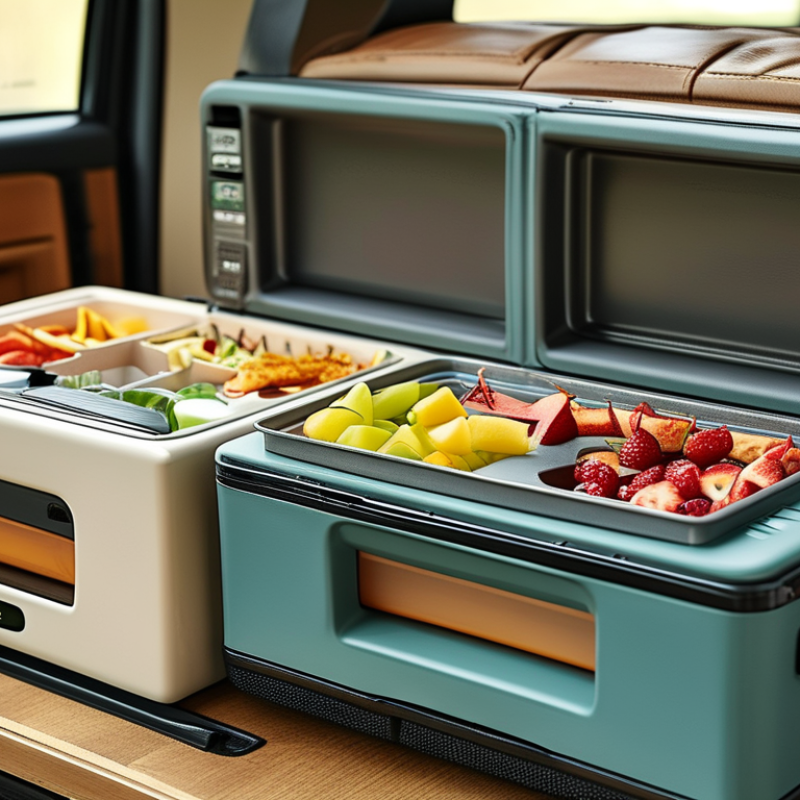
What Is a Portable Refrigerator Freezer and How Does It Work?
A portable refrigerator freezer is a compact, insulated appliance designed for travel, camping, work vehicles, and emergency food storage. Unlike a basic cooler, it actively removes heat instead of depending only on ice. Most models use a compressor, similar to a household refrigerator. The compressor circulates refrigerant through coils, absorbs heat inside the cabinet, and releases it outside. A thermostat then monitors the temperature and controls the cooling cycle.
Power usually comes from a vehicle socket, rechargeable battery, or household outlet. Good insulation helps the unit maintain a steady temperature while using less energy. Some models can cool one compartment and freeze another, but performance depends on outside temperature, ventilation, and how often the lid opens. A warm food load can raise the internal temperature noticeably. That detail is easy to overlook.
Tips: Pre-chill food before loading the unit. Leave space around internal vents. Keep the appliance level during operation. Check its low-voltage protection before connecting a vehicle battery. In practical testing, a thermometer placed inside gives more reliable information than the display alone. It is not always perfect. A crowded cabinet may cool unevenly, especially near the lid. Choose capacity carefully, because extra empty space also requires energy to cool. Expect slower performance in direct sunlight, and allow ventilation around the compressor.
Portable Refrigerator Freezer Buying Guide
A portable refrigerator freezer uses a compressor to circulate refrigerant through a closed cooling system. The compressor removes heat from the insulated compartment and releases it outside. Most units can run from 12V or 24V DC vehicle power and are designed to maintain temperatures below ambient conditions.
How to read the chart: A refrigerator compartment is typically set at about 4°C, while safely frozen food requires approximately −18°C. Lower target temperatures generally require more cooling time and energy, so buyers should consider insulation quality, compressor efficiency, battery capacity, and the required internal volume.
Which Capacity and Temperature Range Fit Your Needs?
Choosing a portable refrigerator freezer starts with capacity, not appearance. A compact 20-liter unit suits one person on short trips. It may hold drinks, fruit, and two small meal containers. For couples, 35 to 50 liters offers better flexibility. Families often need 60 liters or more, especially for weekend camping.
Measure your real storage needs before buying. A stated capacity includes space that shelves, baskets, and cooling compartments may occupy. I once underestimated this difference and struggled to fit tall bottles. Leave room for cold air to circulate. A crowded compartment cools unevenly. That detail matters.
Temperature range is equally important. A refrigerator should normally maintain about 0°C to 4°C for perishable food. A freezer needs approximately -18°C for long-term frozen storage. If you want both functions, check whether the unit supports dual-zone control. A wide range is useful, but only when the temperature remains stable. Some models display a low reading while food near the lid stays warmer. Use a separate thermometer during the first few trips. It is a small test with practical value. Very low settings also consume more power, particularly in a hot vehicle. Consider outside temperatures, battery capacity, and charging time together. My own choice would be slightly larger storage with reliable temperature control, rather than maximum capacity with weak insulation. I am still not convinced that every advertised liter is genuinely usable.
Top Portable Refrigerator Freezer Buying Guide? - Which Capacity and Temperature Range Fit Your Needs?
| Capacity Class |
Typical Capacity |
Approximate Storage |
Typical Temperature Range |
Best For |
Key Buying Considerations |
| Mini |
5–15 L |
Snacks, drinks, personal medication, or approximately 6–12 cans |
About −20°C to +20°C |
Personal use, day trips, office use, and compact vehicles |
Prioritize low weight, easy carrying, and a power input compatible with the vehicle. |
| Compact |
16–30 L |
Food and drinks for 1–2 people; approximately 18–30 cans |
About −20°C to +20°C |
Weekend trips, camping, fishing, and small households |
Check internal dimensions because insulation and compressor placement reduce usable space. |
| Medium |
31–50 L |
Fresh food and drinks for 2–4 people; approximately 30–50 cans |
About −20°C to +20°C |
Family camping, road trips, boating, and extended travel |
Look for sturdy handles, adequate ventilation clearance, and a battery-protection mode. |
| Large |
51–75 L |
Several days of food for 3–5 people; commonly includes separate storage zones |
About −20°C to +10°C |
Long road trips, group camping, outdoor work, and larger vehicles |
Confirm vehicle space, cable length, power consumption, and whether dual-zone control is required. |
| Extra Large |
76 L and above |
Bulk food storage for groups, extended travel, or off-grid use |
About −20°C to +10°C |
Large families, expedition travel, mobile work sites, and long stays |
Use a dedicated auxiliary battery or power station when operating away from mains power. |
Temperature Range Selection Guide
| Intended Use |
Recommended Setting |
Why It Fits |
| Keeping beverages cool |
Approximately +2°C to +8°C |
Provides a chilled-drink temperature without freezing most contents. |
| Fresh food storage |
Approximately 0°C to +4°C |
Suitable for short-term storage of many perishable foods when packed correctly. |
| Deep-freezing food |
Approximately −18°C or lower |
Matches the commonly used target temperature for storing frozen food. |
| Mixed fresh and frozen storage |
Dual-zone control, such as 0°C to +4°C and −18°C |
Allows chilled and frozen items to be stored separately when the unit supports independent zones. |
Practical buying tip: Select a capacity that leaves approximately 10–20% free space for airflow and easy access. For vehicle use, also verify the unit’s external dimensions, continuous power draw, low-voltage protection, ventilation clearance, and compatibility with 12 V or 24 V systems.
How to Compare Power Options, Energy Use, and Battery Life
Top Portable Refrigerator Freezer Buying Guide
Power options affect more than convenience. A compressor unit may run from household AC, vehicle DC, or a suitable solar setup. I have found that DC operation usually wastes less energy during travel. Inverters can add conversion losses and create extra heat. Check the input voltage carefully before connecting anything. A loose cable may stop cooling during a hot afternoon.
Energy use depends on capacity, insulation, temperature settings, and outdoor conditions. Look for rated watt-hours per day, not only maximum watts. Maximum power describes startup demand, while daily use reflects real operation. A 50-watt unit may not consume 50 watts continuously. In warm weather, it may run longer than expected. Measure performance in your usual conditions when possible. Manufacturer figures are useful, but they are not promises.
Tips: Match the battery to watt-hours, not advertising claims. For example, a 500Wh battery may provide less usable energy after conversion losses. Estimate runtime by dividing usable watt-hours by daily consumption. Leave extra capacity for aging and cold weather. Keep the refrigerator shaded, ventilate its sides, and pre-cool food at home. I sometimes overestimate solar charging. Clouds, parking angles, and dust can change the result. Use the correct fuse and cable size, then test the setup before a long trip.
What Features Improve Portability, Durability, and Everyday Use?
Top Portable Refrigerator Freezer Buying Guide
Portability depends on more than a small footprint. I check the empty weight, handle strength, and wheel clearance before buying. A loaded freezer can become awkward quickly. Recessed handles help when lifting it into a vehicle. Locking wheels are useful on uneven campsites. A 12V or 24V input suits vehicles, while battery protection prevents excessive vehicle drain. Check the cable length, too. Short cables create annoying placement limits.
Durability starts with the compressor compartment and outer shell. Look for solid hinges, a firm lid seal, and protected control buttons. Thick insulation reduces compressor cycling and saves energy during hot afternoons. A removable basket makes food easier to organize and clean. Internal lighting sounds minor, but it helps during late-night stops. A drain plug is practical after spilled drinks or melted ice. I prefer clear temperature controls with a readable display.
Test the unit before a long trip. Measure its power draw overnight and inspect temperature recovery after opening the lid. My own mistake was trusting advertised capacity without checking usable space. Packaging and thick walls reduced the room noticeably. That changed how I planned meals. Wipe the seal regularly and keep ventilation openings clear. Dust buildup can increase heat and noise. No freezer is completely silent. A stable surface still matters.
How to Choose the Best Portable Refrigerator Freezer for Your Budget?
Choosing a portable refrigerator freezer for your budget starts with real usage, not impressive specifications. Decide whether you need chilled drinks, frozen food, or both. A small unit may suit weekend trips, while longer journeys require more capacity and stronger insulation. Measure your vehicle space carefully. A freezer that blocks a rear door quickly becomes an expensive mistake.
Tips: Set a realistic budget before comparing models. Check usable internal space, not only external dimensions. Look for adjustable temperature control, low-voltage protection, and clear power information. A unit using less energy can save money during repeated camping trips. Also inspect the lid seal and hinges. Loose seals waste power and shorten cooling time. Keep ventilation areas unobstructed, especially inside a warm vehicle.
From my experience, compressor cooling usually offers steadier freezing than cheaper cooling methods. However, it may cost more and produce noticeable operating noise at night. Read independent testing, warranty terms, and repair conditions before buying. Battery performance also deserves attention. A refrigerator may run well from a wall outlet but drain a small power station quickly. I once underestimated this detail. It made an otherwise reliable trip inconvenient. Budget for cables, insulation, and an external battery if necessary. The cheapest purchase is not always the lowest-cost choice. Think beyond the checkout price.