What Is the Ideal Refrigerator Temperature?

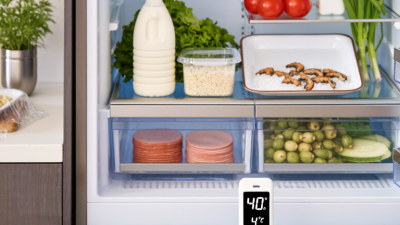
Choosing the right refrigerator temperature is more important than many households realize. A refrigerator that feels cold may still be too warm for safe food storage. The recommended refrigerator temperature is usually 40°F (4°C) or below, while the freezer should remain near 0°F (-18°C). These figures are widely supported by food-safety authorities, including the U.S. Food and Drug Administration.

Temperature control also protects food quality. Milk should stay cold on an interior shelf, not in the warmer door compartment. Fresh meat belongs in a sealed container on the lowest shelf, where leaks cannot reach other foods. A small refrigerator thermometer can reveal problems that the built-in dial misses. It is a simple tool, but often overlooked.

Real kitchens are less predictable. Opening the door repeatedly, placing hot leftovers inside, or packing shelves too tightly can change the internal climate. I once assumed a nearly empty refrigerator would cool efficiently; airflow was better, yet the temperature still fluctuated near the door. That assumption needed checking. Read the thermometer after several hours, preferably away from the walls and vents. Adjust the setting gradually, then measure again.

This guide explains how to find an ideal refrigerator temperature, recognize warm spots, and store common foods more safely. It also considers energy use, seasonal changes, and practical habits. There is no perfect setting for every appliance. Your thermometer provides the final evidence.
What Is the Ideal Refrigerator Temperature?

The FDA Standard: Why 40°F (4°C) Is the Safe Refrigerator Limit

What Is the Ideal Refrigerator Temperature?

The FDA recommends keeping a refrigerator at 40°F (4°C) or below. This temperature slows the growth of many harmful bacteria. It also protects perishable foods, including meat, dairy, eggs, and prepared meals. The target is not a decorative number on the control panel. It is a food safety boundary.

Use a refrigerator thermometer to check the real temperature. Place it near the center shelf, away from the door. Door shelves often become warmer during frequent opening. I once trusted the appliance dial and assumed everything was safe. That assumption was wrong. The center shelf measured several degrees warmer than expected. Check the reading after the door stays closed for several hours, preferably overnight. Small changes matter.

Keep raw meat in a sealed container on the lowest shelf. This reduces the chance of leaking juices touching ready-to-eat food. Store leftovers in shallow containers so they cool more evenly. Avoid packing shelves tightly, because cold air needs room to circulate. A refrigerator can feel cold while some areas remain unsafe. If food sits above 40°F for too long, its appearance and smell may still seem normal. That makes judgment difficult. When the temperature rises, reduce door opening and verify the setting with a separate thermometer. If the problem continues, the refrigerator may need professional inspection.

Ideal Storage Range: Maintaining 35–38°F (2–3°C) for Food Quality

What Is the Ideal Refrigerator Temperature?

The ideal storage range is 35–38°F (2–3°C). This range keeps food cold without causing widespread freezing. USDA Food Safety and Inspection Service guidance recommends keeping refrigerators at 40°F (4°C) or below. The FDA Food Code also uses 41°F (5°C) or below for cold-held foods in food-service settings. A 35–38°F target gives household storage a practical safety buffer.

In daily use, temperature can shift near the door. Warm leftovers, frequent opening, and blocked vents create uneven cooling. I once trusted the appliance dial too much. A separate refrigerator thermometer showed a warmer interior than expected. Check the center shelf, not the door. Store milk and raw ingredients in stable areas. Keep leftovers covered and refrigerated within two hours, following USDA food-safety guidance. Cold air matters. So does airflow.

Tips: Place a thermometer inside the refrigerator and check it twice weekly. Set the control gradually, then wait 24 hours before judging the result. Keep the refrigerator about two-thirds full for steadier temperatures, but avoid crowding vents. If lettuce freezes, move it away from the rear wall. If food feels unusually warm, test the temperature again before assuming the appliance is working correctly. Home conditions vary, and that deserves a second look.

Keep the refrigerator between 35°F and 38°F (2°C–3°C) to help preserve food quality. The refrigerator should remain at or below 40°F (4°C), while water begins to freeze at approximately 32°F (0°C).

Freezer Benchmark: Setting the Compartment to 0°F (−18°C), USDA Guidance

What Is the Ideal Refrigerator Temperature?

For the freezer, the reliable benchmark is 0°F (−18°C), or colder.

This follows U.S. Department of Agriculture guidance for frozen food storage. Set the control near this point, then verify it with an appliance thermometer. Do not judge temperature by hard ice cream alone. Texture can mislead. Place the thermometer between frozen packages, not against the wall or door. Leave space for air to move.

A tightly packed compartment may hold cold well, but blocked vents create uneven temperatures. After adding warm food, readings can rise temporarily. Check again after 24 hours. Opening the door repeatedly also lets warm, moist air inside. These small habits matter more than a perfect-looking dial.

For the refrigerator section, keep the temperature at 40°F (4°C) or below.

Store milk, eggs, meat, and other highly perishable foods on interior shelves, where temperatures are usually steadier. The door is warmer. A single reading is not proof, because temperatures drift during daily use.

If frozen food still contains ice crystals after a power interruption, it may remain safe to refreeze, although quality can suffer. If it has fully thawed and stayed warm, do not guess; follow current USDA food-safety guidance.

Temperature Zones: How Shelf Placement Affects Food Safety and Freshness

What Is the Ideal Refrigerator Temperature?

A refrigerator should stay at 4°C (40°F) or colder. This is the target, not a promise made by the dial. Use a separate appliance thermometer to check the real temperature. I once trusted the control setting and found leafy greens freezing near the back wall. Temperature readings can differ across shelves. Check the thermometer after the door remains closed overnight.

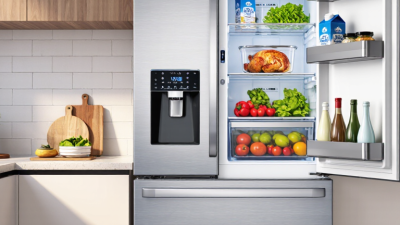
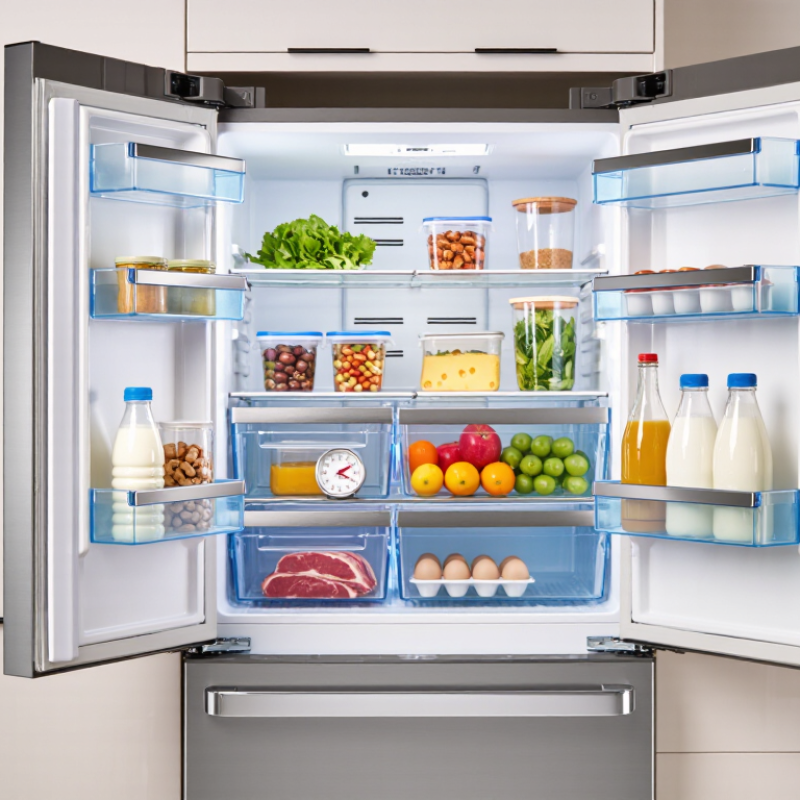
Shelf placement strongly affects food safety and freshness. The lower shelf is usually coldest, so store raw meat, poultry, and seafood there. Keep them in sealed containers to prevent drips. Place cooked foods, dairy products, and opened containers on the middle shelves. The top shelf suits ready-to-eat foods, such as washed fruit or leftovers. Keep food away from the rear vent. Cold air must circulate.

The door is the warmest and most changeable area. Store condiments, butter, and drinks there, rather than eggs or highly perishable foods. Use crisper drawers for produce, but avoid packing them tightly. High humidity can protect leafy vegetables, while lower humidity helps some fruits resist mold. Keep raw items separate from foods eaten without cooking. A crowded refrigerator may look efficient, yet it can hide warm spots. I still find this easy to overlook. Temperature checks matter more than appearance.

Monitoring Accuracy: Using an Appliance Thermometer to Verify 40°F or Below

A refrigerator should stay at 40°F or below, but the displayed setting may not tell the whole story. Temperature can shift near the door, beside the cooling vent, or after frequent opening. An appliance thermometer provides a clearer check. Place it on the middle shelf, away from food containers and the interior wall. Keep the door closed for at least 24 hours before reading it. The middle shelf often reflects the storage area more accurately than the door shelf.

Use a thermometer that is easy to read and designed for refrigerator temperatures. Check it at different times, including after a busy meal preparation period. A reading of 38°F gives useful room for normal fluctuations. If it reaches 41°F or higher, reduce the setting slightly and check again later. Do not rely on one quick glance. I once recorded a safe reading immediately after loading groceries, then found a warmer temperature several hours later. That result was inconvenient, but it exposed a measurement mistake. For extra confidence, compare the thermometer with an ice-water mixture if its instructions allow calibration. The mixture should be about 32°F. Keep a simple record for several days. Small patterns matter. A crowded shelf can block cold air, while an almost empty refrigerator may change temperature quickly. Monitoring is less perfect than I expected, yet repeated readings make decisions more reliable.