Aegis provides affordable, low power Wi-Fi sensor network solutions that make a ubiquitous sensing world come alive and a full line of controlled temperature cabinets. Laboratory, Pharmacy and Chromatography refrigerators and freezers which are designed to meet the dimensional and temperature requirements of the scientific community.

How to Set the Ideal Fridge Temperature?
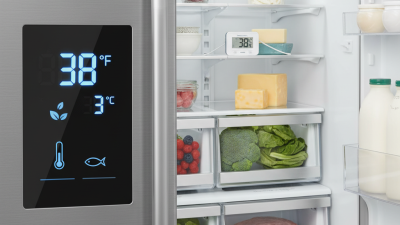
A safe kitchen often begins with one quiet appliance: the refrigerator. Yet many people adjust the dial by habit, not measurement. That small mistake can leave milk warm, lettuce limp, and cooked chicken unsafe. The ideal fridge temperature is usually 37°F (3°C), while food should remain at 40°F (4°C) or below. Cold air alone is not proof.
Food safety expert Dr. Martin Wiedmann, a professor at Cornell University, offers a useful principle: “Measure the temperature you have, not the temperature you hope for.” A simple appliance thermometer makes that advice practical. Place it near the center shelf, where temperature changes are easier to notice. Do not rely only on the door display.
Every refrigerator behaves differently. An overfilled shelf can block circulation. A nearly empty interior can warm quickly after opening. Door shelves are often the least stable area. I once assumed a colder setting always meant better storage. That is not completely true. Food may freeze beside the back wall, while the door remains too warm.
This guide explains how to set, check, and maintain the right fridge temperature. It also examines seasonal changes, food placement, and warning signs from spoiled food. You will learn where to put a thermometer and when to adjust the control. Small details matter. A two-degree change can affect freshness, texture, and safety. Even a recommended setting is only a starting point. Your thermometer tells the real story.
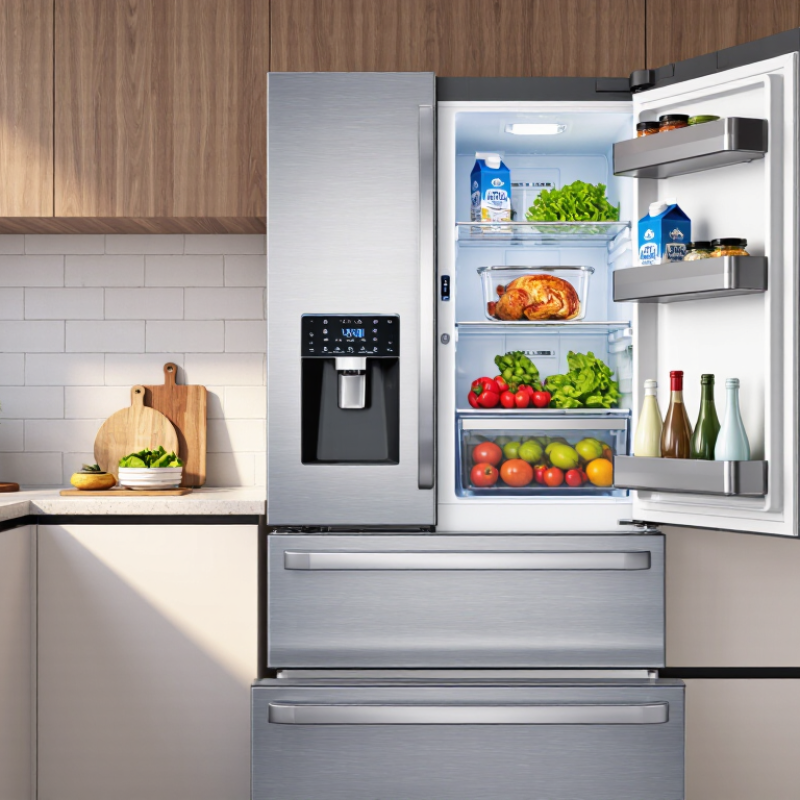
Table of Contents
[Hide]
What the Ideal Fridge Temperature Means for Food Safety
How to Set the Ideal Fridge Temperature?
The ideal fridge temperature is 4°C or lower (40°F), according to the U.S. Food and Drug Administration. This setting slows bacterial growth without freezing most fresh food. The FDA Food Code also uses 5°C (41°F) or below for cold holding. That small difference matters in crowded refrigerators.
Food safety depends on more than the display number. Warm air enters whenever the door opens, especially during busy meal preparation. Store milk, cooked food, and cut fruit on middle shelves. Keep raw meat in a sealed container on the lowest shelf. The U.S. Department of Agriculture advises discarding perishable food left above 4°C for two hours. In hot conditions, that window becomes one hour. The Centers for Disease Control and Prevention estimates that foodborne illness affects about 48 million Americans each year. Temperature control cannot prevent every case, but it removes a major risk.
Tips: Place a refrigerator thermometer near the door, not against the coldest wall. Check it twice weekly. Leave space around containers for air movement. I once trusted the digital setting too much; the door shelf was noticeably warmer. A thermometer exposed that mistake. Also, cool leftovers in shallow containers before refrigeration, but do not leave them cooling on the counter for hours.
Related Posts
-
How to Optimize Your Freezer Fridge for Maximum Storage Efficiency
-
How to Choose the Best Portable Refrigerator Freezer for Travel
-
10 Essential Tips for Choosing a Large Fridge for Your Home?
-
The Ultimate Guide to Optimal Fridge Temperature for Food Safety and Freshness
-
How to Choose the Best Fridge Temperature Monitor for Your Needs?
-
What is the Best Fridge Temperature Alarm for Your Needs?
Contact Us
Phone
Toll Free: 1-800-796-2344
OH: 513 204 5837
PA: 215-281-9180
support@site_367d8ed1-a876-442b-a1d7-b1fc1cf4ed19