2026 Best Large Capacity Refrigerators for Global Buyers
Choosing the right refrigerator in 2026 is not simply about finding the largest box. For global buyers, large capacity refrigerators must balance storage, efficiency, reliability, and local practicality. A 700-liter model may suit a busy family, yet its depth could block a narrow kitchen doorway. A four-door design may organize fresh food beautifully, but its extra features can increase repair costs. Real kitchens are less forgiving.
This guide compares leading large capacity refrigerators using published specifications, energy information, temperature controls, warranty terms, and user-focused design details. We examine usable storage rather than advertised volume alone. Shelf spacing, drawer access, ice-maker performance, and door clearance all matter. So do voltage compatibility, plug standards, climate ratings, and after-sales service. A refrigerator built for a humid tropical region may perform differently in a cold northern home. Buyers should check these details before ordering across borders.
No ranking is perfect. Manufacturer data can omit noise levels, software limitations, or long-term maintenance concerns. Customer reviews may also reflect unusual shipping damage or installation errors. We therefore separate verified features from practical observations and explain where evidence remains limited. The best choice depends on household size, food habits, kitchen dimensions, and local support. Expect useful comparisons, not exaggerated promises. Measure twice. Then compare carefully.
Large-Capacity Refrigerator Types and Their Global Applications
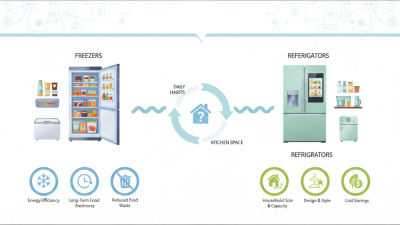
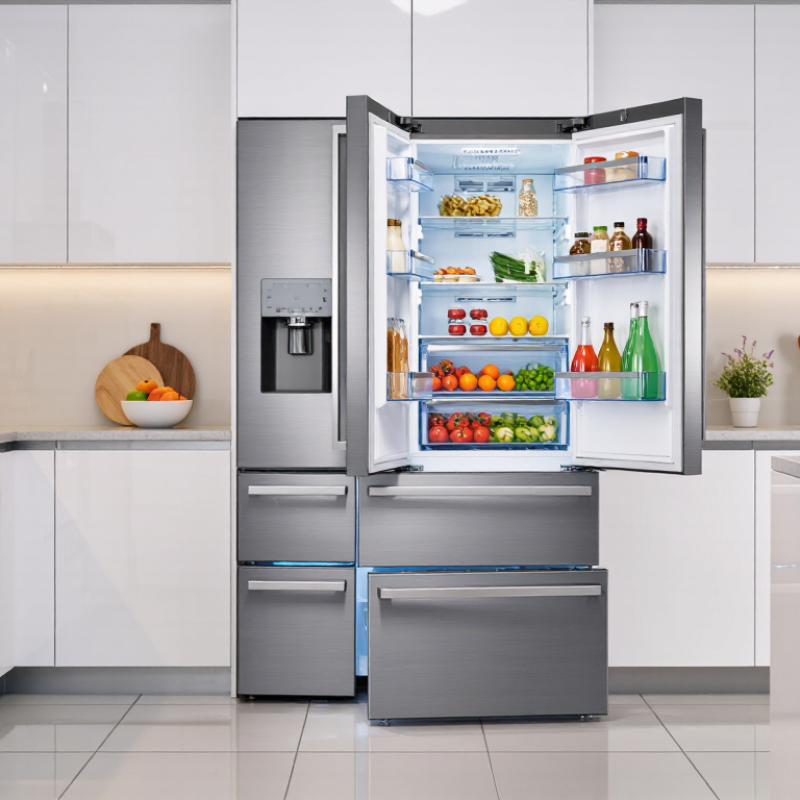
Large-capacity refrigerators serve different households and working environments. French-door models suit family kitchens because wide shelves hold trays, vegetables, and large cooking pots. Their lower freezer reduces bending, but both doors need enough clearance. Side-by-side models offer organized vertical storage. They work well when users need frequent access to frozen food and chilled drinks. However, narrow shelves may not fit wide dishes.
Top-freezer refrigerators remain practical in regions where simplicity and repair access matter. Their design often supports lower purchase costs and straightforward maintenance. Bottom-freezer models place fresh food at eye level, helping busy households reduce daily bending. In small urban apartments, multi-door designs can separate ingredients by temperature and purpose. Space changes everything. A large cabinet still fails when it blocks a doorway or cannot enter a service lift.
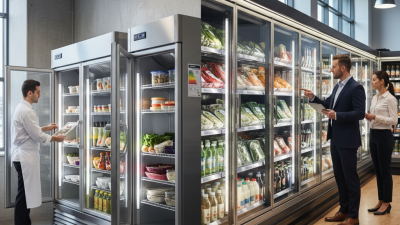
Global buyers should match refrigerator types with climate, electricity conditions, and eating habits. Hot, humid regions need strong door seals, dependable insulation, and ventilation space around the cabinet. Areas with unstable power may benefit from models with stable temperature recovery and accessible service components. Hospitality kitchens require durable shelves, clear cleaning zones, and fast product rotation. I have seen capacity estimates fail when families counted empty air as usable storage. Measure actual containers, not only liters. Energy labels and local service availability also deserve careful checking. No layout is perfect. A refrigerator that looks efficient in a showroom may feel inconvenient after a month of crowded shelves.
Key Features That Define Modern High-Volume Refrigerators
2026 Best Large Capacity Refrigerators for Global Buyers
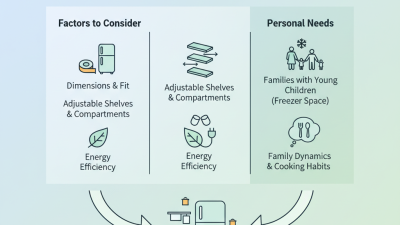
Modern high-volume refrigerators must do more than hold extra food. Usable storage matters more than advertised gross capacity. Adjustable shelves, deep drawers, and wide door bins help families organize large packages without blocking airflow. A 600-liter cabinet can still feel cramped when its interior layout wastes space.
Energy performance is equally important. The ENERGY STAR product specification states that certified refrigerators use at least 10% less energy than the applicable U.S. federal minimum standard. Global buyers should also compare annual kilowatt-hours, not only efficiency labels. The UNEP Global Cooling Watch 2023 reports that cooling demand could more than triple by 2050 without stronger efficiency measures. Inverter compressors, insulated doors, adaptive defrosting, and precise temperature sensors can reduce unnecessary cycling. Small gains become meaningful in warm climates.
Humidity-controlled drawers protect leafy vegetables, while separate temperature zones suit meat, dairy, and frozen goods. Multi-airflow systems help limit warm corners after door openings. Useful details include voltage compatibility, climate-class ratings, replaceable door seals, and service access. Smart monitoring can identify temperature changes, but it should not replace a reliable manual display. Connectivity is impressive, sometimes less useful than expected. A final concern deserves attention: oversized storage may encourage overbuying and raise household energy use. Buyers should match capacity to actual shopping habits, family size, and local electricity conditions.
How to Compare Storage Space, Energy Use, and Cooling Performance
Large-capacity refrigerators should be compared by usable performance, not impressive volume claims. Check internal liters or cubic feet, shelf spacing, drawer depth, and door-bin flexibility. A listed capacity may include awkward corners that rarely store food efficiently. Measure your kitchen doorway, elevator, and ventilation clearance before ordering. Global buyers should also confirm voltage, frequency, plug type, and local service access.
Energy use needs careful reading. Compare annual kilowatt-hours on the applicable regional energy label, rather than judging efficiency by size alone. A larger cabinet can use more electricity, even with strong insulation. Cooling performance involves more than reaching a low temperature. Look for stable temperatures, even airflow, humidity control, and quick recovery after repeated door openings. Separate cooling zones can reduce odor transfer, but their real value depends on daily use. Test data may differ between climates, so direct comparisons are not always perfect.
Tips: Place a thermometer in the refrigerator and freezer for several days. Check temperature swings after normal door opening. Keep ventilation gaps clear, and avoid loading warm food tightly together. Energy estimates remain imperfect because household habits vary. Still, measured temperature stability and verified annual consumption provide a more dependable comparison than marketing language.
Regional Buying Factors for International Refrigerator Buyers
2026 Best Large Capacity Refrigerators for Global Buyers
Regional buying factors matter as much as storage volume. A refrigerator designed for one market may not suit another kitchen. Check the local voltage, frequency, plug type, and energy-label requirements before ordering. These details affect safety, performance, and import approval.
Climate also changes the buying decision. In hot, humid regions, strong cooling recovery and corrosion-resistant materials are practical advantages. In colder areas, garage placement may require a model rated for low ambient temperatures. Measure doorways, lifts, and kitchen corners carefully. Large capacity is useless if delivery fails.
Water and ice features need attention too. Hard water can increase filter replacement costs. Some homes lack a suitable water connection.
Tips:
Compare internal capacity, not only external dimensions. Ask for tested noise levels. Confirm spare-part access in the destination country. Review the warranty terms in writing. Do not assume identical models perform equally across regions.
Experienced buyers also examine service networks and repair skills. A minor sensor fault should not create months of delay. Energy prices deserve equal attention, especially where refrigerators run continuously. I would avoid choosing the biggest cabinet automatically. A slightly smaller, efficient unit may fit the household better and reduce wasted space. Regional preferences can be overlooked. Families may need wider shelves, deeper drawers, or more freezer room. Product data helps, but local feedback often reveals the inconvenient details.
Installation, Maintenance, and Long-Term Ownership Considerations
A large-capacity refrigerator needs careful planning before delivery. Measure the cabinet opening, doorway, lift, and turning space. Allow clearance for ventilation and full door movement. A few extra centimeters can prevent an expensive return. Check the local voltage, plug type, and water connection requirements. In many homes, the floor is not perfectly level. Adjustable feet help, but they cannot correct a badly uneven surface.
Use a qualified installer for water lines and electrical connections. The refrigerator should stand level for stable cooling and quiet operation. After installation, leave space around the condenser area, even when the kitchen looks crowded. Set the fresh-food section near 3–4°C and the freezer near -18°C. Then verify temperatures with an independent thermometer. Display readings can be imperfect. That small check matters.
Long-term ownership depends on simple habits. Clean door seals with mild soapy water and inspect them for gaps. Remove dust from accessible coils or vents every few months. Replace water filters according to usage and local water quality, not only the calendar. Keep heavy containers away from door shelves. They can weaken hinges over time. During travel or extended power interruptions, follow the service manual and monitor food safety carefully. I would also record installation dates, filter changes, and unusual sounds. This seems tedious, but it helps technicians identify problems faster. Some maintenance advice is easy to overstate, so confirm model-specific instructions before using tools or removing panels.
2026 Best Large Capacity Refrigerators for Global Buyers
Installation, Maintenance, and Long-Term Ownership Considerations
The chart provides practical planning benchmarks for large-capacity refrigerators from 500 to 800 liters. Annual energy use is estimated under a 0.20 USD/kWh electricity assumption, while the maintenance allowance covers routine filter, seal, cleaning, and service-related costs. Actual results vary by climate, usage, voltage, installation quality, and local energy prices. Confirm doorway dimensions, ventilation clearances, electrical requirements, and service availability before purchase.