How to Choose an Aegis Refrigerator in 2026?

Choosing an aegis refrigerator in 2026 requires more than comparing glossy finishes and storage capacity. A kitchen may look spacious, yet a refrigerator door can strike a wall or block a walkway. Measure the opening, hallway, elevator, and door swing before trusting an online listing. Small details matter.

This guide examines practical features, including cooling consistency, usable shelf space, noise levels, energy efficiency, and temperature controls. It also considers freezer layout, water filtration, smart functions, and cleaning access. Manufacturer specifications provide a useful starting point, but they do not tell the whole story. Independent reviews, warranty terms, repair availability, and regional safety certifications deserve equal attention. A low purchase price may become expensive if replacement parts are difficult to find.

There is no perfect model for every household. A large family may value flexible compartments, while a smaller kitchen may need a narrow design. Some smart features sound impressive but may add complexity without improving daily storage. Think carefully. Real experience helps: open the doors, test the drawers, and listen during a cooling cycle when possible. Product photos can hide awkward handles and shallow shelves. I would also question any review that promises silent operation or flawless freshness without explaining its testing conditions. The right aegis refrigerator should fit your space, habits, budget, and maintenance expectations. This 2026 guide helps readers compare those factors clearly, while acknowledging that final performance can vary with installation, climate, and everyday use.
How to Choose an Aegis Refrigerator in 2026?

Aegis Refrigerator Types and Core Features in 2026

Choosing a refrigerator in 2026 starts with identifying the right type for your kitchen.

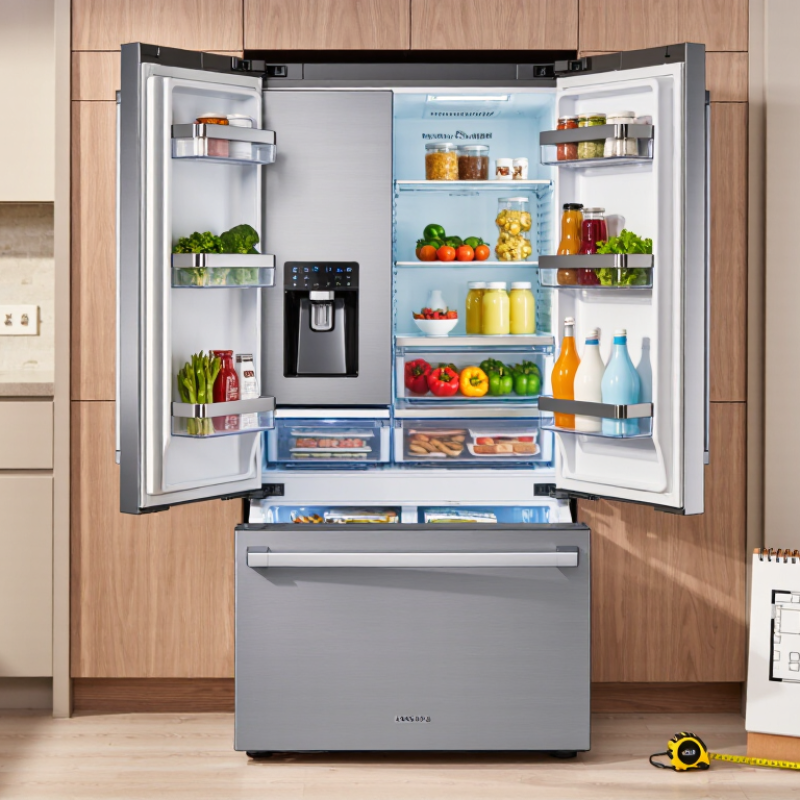
Top-freezer models remain practical for smaller homes and tighter budgets. Bottom-freezer designs keep fresh food at eye level. French-door models offer wide shelves for trays and large containers. Side-by-side units provide organized vertical storage, but narrow compartments may limit bulky items. Compact models suit offices, studios, and guest rooms.

Core features now matter as much as capacity.

Inverter compressors adjust cooling speed, reducing temperature swings and energy use. Dual cooling systems help limit odor transfer between the refrigerator and freezer. Adjustable humidity drawers protect leafy vegetables, although settings still require regular checking. Look for interior sensors, quick-cooling modes, strong door seals, and a clear energy-efficiency label. Smart alerts can be useful, but they should not replace basic temperature checks.

Tips:

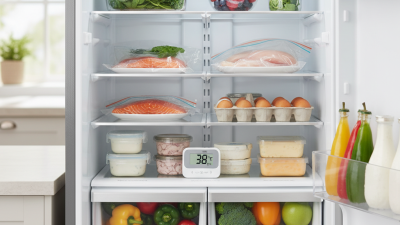
Measure doorways, stairways, and wall clearance before purchase. Keep the refrigerator at or below 4°C and the freezer near -18°C. Place a thermometer inside; built-in displays can be slightly inaccurate. Test the shelf height with your largest cooking pot.

Stainless finishes look professional, yet fingerprints may become annoying. I also prefer simple controls after using complicated panels that were difficult to clean.

Think carefully. Fancy features are not always practical.

Assessing Capacity, Layout, and Household Storage Needs

Choosing a refrigerator in 2026 starts with household habits, not a showroom finish. The United Nations Environment Programme’s Food Waste Index Report 2024 found that households generated 60% of global food waste in 2022. Poor visibility and crowded shelves can contribute. Measure your weekly groceries before choosing capacity. A two-person home may need less space than a family that stores bulk vegetables, meal-prep containers, and frozen foods.

Layout matters as much as volume. A wide refrigerator can hold trays and large plates, but deep shelves may hide aging produce. French-door designs improve visibility, while bottom freezers keep fresh food closer to eye level. Side-by-side layouts offer narrow access, which can help small kitchens. They may restrict large containers. Check shelf adjustability, drawer height, door clearance, and the space around hinges. Measure the doorway too. I once underestimated that detail.

ENERGY STAR guidance recommends comparing annual energy use, not only the purchase price. Its refrigerator buying resources show that certified models generally use less energy than standard alternatives, although actual savings depend on size and usage. The U.S. Department of Energy also advises leaving proper clearance for airflow. Bigger is not always better. Extra empty space can encourage unnecessary buying, while insufficient capacity creates unstable stacking and forgotten food. Use clear containers, label leftovers, and reserve one shelf for items that need attention soon.

How to Choose an Aegis Refrigerator in 2026? - Assessing Capacity, Layout, and Household Storage Needs

Household Profile Recommended Total Capacity Typical Fresh-Food / Freezer Split Suitable Layout Typical External Size Range Storage Priorities Planning Guidance
1 person 250–350 L 170–240 L / 80–110 L Top-freezer or compact bottom-freezer 55–65 cm wide; 60–70 cm deep; 150–180 cm high Small produce drawers, adjustable shelves, compact freezer access Choose capacity based on shopping frequency; avoid oversized models that consume unused space.
2 people 300–450 L 200–300 L / 100–150 L Bottom-freezer or French-door layout 60–75 cm wide; 65–75 cm deep; 165–185 cm high Full-width crisper, door bins for bottles, flexible freezer drawers Allow extra capacity if buying weekly bulk packs or preparing meals in advance.
3–4 people 400–550 L 270–370 L / 130–180 L Bottom-freezer, French-door, or wide top-freezer 70–85 cm wide; 70–80 cm deep; 170–190 cm high Large produce bins, adjustable split shelves, organized freezer compartments Prioritize usable shelf width and drawer access rather than advertised gross volume alone.
5–6 people 500–650 L 330–430 L / 170–220 L Large French-door or wide side-by-side 80–95 cm wide; 75–85 cm deep; 175–195 cm high High-capacity crispers, wide platters area, separate freezer zones, strong door storage Measure the delivery path carefully; larger units may require wider doors, halls, and turning clearance.
7 or more people 600–750+ L 390–500+ L / 210–250+ L Extra-wide French-door, side-by-side, or refrigerator plus separate freezer 90–105+ cm wide; 75–90 cm deep; 175–200 cm high Maximum shelf flexibility, multiple drawers, bulk-food storage, high freezer organization Compare one large unit with two smaller units; redundancy and zoning can improve access and organization.
Capacity and installation notes: Capacity figures are practical planning ranges, not manufacturer-specific ratings. Actual usable storage is lower than gross capacity because shelves, drawers, insulation, and internal airflow components occupy space. Before purchase, measure the available opening, door-swing area, delivery route, ventilation space, and the depth beyond the surrounding cabinets. A common planning allowance is approximately 2–5 cm of side clearance and 5–10 cm above the unit, but the installation manual should take priority.
Layout selection guide: Bottom-freezer models keep frequently used fresh food at eye level. Top-freezer models generally offer straightforward access and efficient use of vertical space. French-door models provide wide shelf space for trays and platters but require two door-swing areas. Side-by-side models offer convenient vertical access to both compartments, although their narrower shelves may limit storage of wide dishes.

Comparing Cooling Systems, Energy Use, and Smart Functions

How to Choose an Aegis Refrigerator in 2026?

Cooling architecture should guide your decision, not the screen on the door. A variable-speed compressor adjusts output gradually, reducing sharp temperature swings and compressor starts. Dual evaporators can limit odor transfer between fresh-food and freezer compartments. However, they may add components that require careful servicing. Multi-airflow vents cool shelves evenly, but blocked vents can create warm corners. I have found a simple thermometer useful during real kitchen testing.

Energy labels deserve close attention. The U.S. Department of Energy’s refrigerator test data commonly places annual consumption around 300–800 kWh, depending on size and configuration. Larger French-door models usually consume more than compact top-freezer designs. The International Energy Agency identifies efficient appliances as an important household energy-saving opportunity. Compare annual kWh, not only the efficiency grade. Electricity prices can change the result.

Smart functions are helpful when they solve a real problem. Door-open alerts, temperature warnings, and vacation modes have practical value. Remote diagnostics may also reduce unnecessary service visits. Cameras and recipe features can increase standby use, though the extra consumption is often modest. Check the technical sheet for connected-load data. Some manufacturers disclose it poorly. That is worth questioning. A refrigerator with fewer features may outperform a smarter model in daily efficiency, especially when its seals, insulation, and compressor controls are better engineered.

Checking Reliability, Safety Standards, Warranty, and Maintenance

Choosing a refrigerator in 2026 requires more than comparing capacity and appearance. Reliability starts with stable cooling, strong door hinges, and a compressor that does not cycle loudly every few minutes.

During a showroom visit, open the door repeatedly and inspect the gasket. It should feel flexible, even, and firmly attached. Bring a small thermometer if testing at home. A steady refrigerator temperature near 4°C helps protect perishable food.

Safety standards deserve careful attention.

Look for clear certification marks, grounded plugs, child-safe shelves, and insulation that prevents excessive exterior heat. Check the manual for electrical requirements and ventilation space. A crowded kitchen can make an efficient appliance work harder.

I once ignored the recommended clearance and noticed warmer cabinet walls. That was my mistake.

Read the warranty before paying.

Confirm coverage for the compressor, control board, labor, and replacement parts. A long warranty may exclude service visits or damage caused by poor installation. Ask how repairs are handled locally, and save the receipt.

Maintenance is simple but easy to neglect. Clean the condenser area as instructed, wipe spills quickly, and examine the door seal every few months. Replace cracked trays early. Small failures become expensive. Reliable ownership also depends on honest records, practical servicing, and a willingness to question attractive promises.

Choosing the Best Aegis Refrigerator for Your Budget and Space

Choosing the best refrigerator starts with your kitchen, not the feature list. Measure the opening, including height, width, and depth. Leave space for door movement and ventilation. A cabinet-depth model may look cleaner, but it often stores less food.

Think about your weekly routine. A family cooking daily may need adjustable shelves, wide drawers, and steady cooling. One person might prefer a compact unit with lower energy use. Check the usable storage, not only the advertised capacity. A tall bottle shelf and a separate crisper can make daily access easier. Small details matter.

Budget includes more than the purchase price. Compare energy ratings, warranty coverage, delivery fees, and expected maintenance. In my experience, quiet operation becomes important in open-plan homes, especially at night. Frost-free cooling saves time, but it may slightly increase energy use. That trade-off deserves attention.

Do not trust every measurement blindly. Product dimensions can exclude handles or hinges. I once underestimated door clearance and had to rearrange a counter. That mistake was avoidable. Read the installation guide and confirm the electrical requirements with a qualified technician. Check temperature stability through independent testing where possible, since attractive controls cannot replace reliable cooling. A practical choice should fit the room, protect your food, and leave enough budget for the rest of your kitchen.