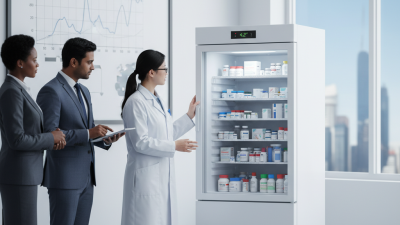
What Are the Top Fridge Temperature Alarms?

A refrigerator can look perfectly normal while its temperature climbs. The milk still feels cold. The display may show a reassuring number, yet a door left ajar or a failing compressor can quietly warm the shelves. That is where a fridge temperature alarm earns its place: it alerts you to a change before spoiled food becomes an unpleasant surprise. But alarms vary. Some monitor air temperature, while others use a probe or sensor designed to reflect conditions more steadily.

Food-safety specialist Dr. Ben Chapman’s broader guidance can be paraphrased this way: measure the temperature rather than relying on a refrigerator’s dial alone. That distinction matters. An alarm is only useful when its sensor is placed correctly, its alert threshold is sensible, and its warning can reach you in time. A loud beep helps in a quiet kitchen. A phone notification may matter more when you are away. Neither feature fixes a poor sensor.

Small details count. Check whether the alarm records temperature history, warns about an open door, and resumes monitoring after a power interruption. Compare its reading with a separate appliance thermometer. The U.S. Food and Drug Administration recommends keeping refrigerators at 40°F (4°C) or below; follow local food-safety guidance where you live. Still, no device is magic. Batteries fade. Wi-Fi drops. A sensor can drift. The best choice is the one you can verify, hear, and maintain. This guide compares leading options by accuracy, alerts, setup, and everyday reliability—and notes where the evidence or product details deserve a second look.
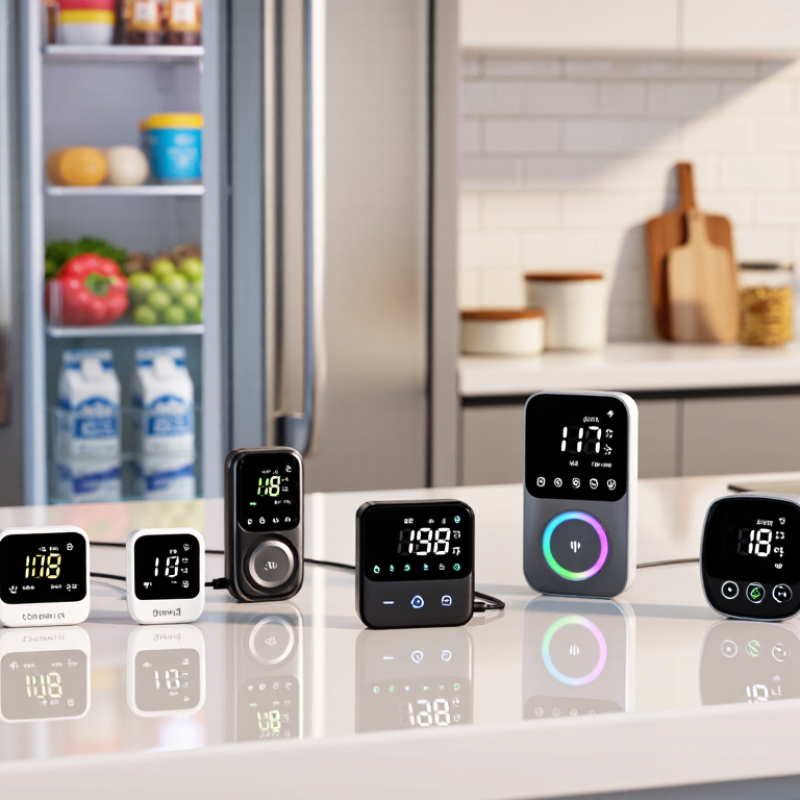
What Are the Top Fridge Temperature Alarms?

What Refrigerator Temperature Alarms Monitor

A refrigerator temperature alarm mainly watches cabinet air temperature, comparing readings with a chosen high or low limit. Some systems also track temperature trends, door-open duration, power loss, or sensor failure; features vary. A probe placed between food packages can better reflect product conditions than a sensor near a cold air outlet. That difference matters. The U.S. Food and Drug Administration’s Food Code sets 41°F (5°C) as the cold-holding limit for many time/temperature-controlled foods. USDA guidance recommends keeping home refrigerators at 40°F (4°C) or below. An alarm threshold should reflect the setting and its food-safety procedure, not just a convenient factory default.

Good alarms show the current reading, alert when a limit is exceeded, and record how long the excursion lasts. Some include a delay to avoid alerts every time the door opens. Too much delay, though, can hide a genuine problem. Check sensor placement with an independent thermometer, and test alerts after installation. Small detail, big difference. FDA guidance recommends using an appliance thermometer because refrigerator controls do not show the actual interior temperature. A display can look reassuring while a warm shelf tells another story. Alarm records help staff spot recurring door, loading, or cooling issues, but they do not prove food stayed safe. Calibration and sensible follow-up still matter.

How Fridge Temperature Alarms Detect and Report Problems

Fridge temperature alarms use a sensor to track the air or a probe placed inside the cabinet. When readings pass a set limit, the device can sound locally, flash a warning, or send a phone notification. Some systems also record temperature history, showing when a rise began and how long it lasted. That timeline matters.

Many alarms allow a delay before warning, since opening the door briefly can cause a harmless spike. Thresholds should match food-storage guidance and the refrigerator’s purpose; a cabinet storing medicines may need different settings. Probe placement affects readings. A sensor near the door or cooling vent may not reflect conditions around stored items. No sensor is perfect.

For a useful check, compare the alarm reading with a separate refrigerator thermometer, then review the alert history. If the temperature stays high, inspect the door seal, power supply, and airflow, and move sensitive contents to safe storage. A reading is a clue, not a verdict. Alerts can arrive late if a network connection fails, so audible alarms still help. Keep batteries fresh, and test the notification path occasionally. Something can be overlooked: alarms report temperature, not whether food has remained safe.

Common Types of Refrigerator Temperature Alarms

What Are the Top Fridge Temperature Alarms?

Common Types of Refrigerator Temperature Alarms

Fridge temperature alarms generally fall into three groups: built-in high-temperature alerts, standalone digital thermometers with alarms, and wireless sensor systems. Built-in alerts are convenient, but some sound only after the door stays open or temperatures rise for several minutes. A standalone unit usually has a probe and display, making readings easy to check near stored food. Wireless sensors can send alerts to a phone when you are away. Useful, but not infallible.

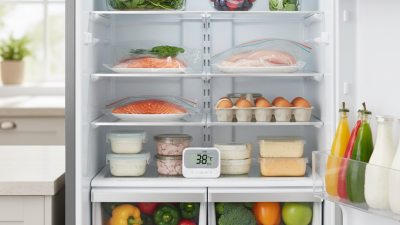
Choose an alarm with an adjustable threshold, a clear sound, and a temperature display. Keep the refrigerator at 4°C (40°F) or colder, and the freezer at -18°C (0°F). Place the sensor away from the door and cooling outlet; the center shelf often gives a steadier reading. A poorly placed sensor may miss warmer spots. Settings and response delays vary, so check the instructions and test the alert.

Tips: Test the alarm after installation, then repeat occasionally. Keep a separate thermometer as a cross-check. If an alert sounds, verify the reading with the door closed for a few minutes before moving food; the first number can be misleading.

Top Fridge Temperature Alarms by Features and Use Case

What Are the Top Fridge Temperature Alarms?

Top Fridge Temperature Alarms by Features and Use Case

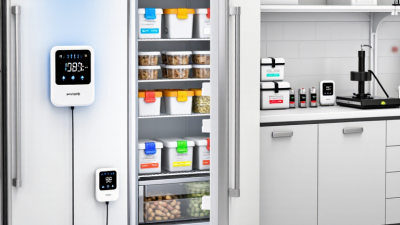
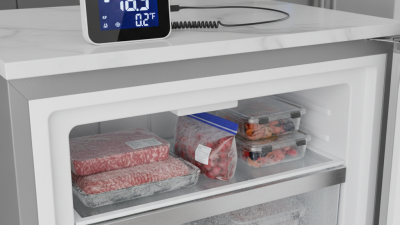
The best fridge temperature alarm depends on what you need to protect and how often you check the appliance. A basic unit with a wired probe suits a home fridge: place its sensor near stored food, set high and low limits, and keep the display where you can see it. Simple and dependable. Check that the probe cable does not prevent the door from sealing.

For a garage fridge or a busy kitchen, a wireless alarm can send alerts to a receiver or phone. Look for adjustable thresholds, a clear signal-loss warning, and a history of temperature readings. Wi-Fi alerts are useful when you are away, but they rely on power and a stable connection. Notifications can arrive late. Test the system before trusting it with costly or sensitive food.

Small clinics, cafés, or shared kitchens may benefit from alarms with multiple sensors and downloadable records. These help staff spot repeated temperature swings and review when they occurred. Choose sensors that are easy to calibrate and replace. A reading is only useful if the probe is positioned correctly and checked against a separate thermometer from time to time. Even a good alarm can drift.

How to Choose and Install a Fridge Temperature Alarm

Choosing a fridge temperature alarm starts with accuracy, not app features. Look for a clear display, a sensor rated within about ±1°F, and alerts for high temperature and power loss. A wired probe can measure air near stored food; a separate display lets you read it without opening the door. Check whether the alarm offers adjustable thresholds and a short delay, since brief door openings can trigger nuisance alerts. FDA guidance recommends keeping refrigerators at 40°F (4.4°C) or below. Set the warning close to that limit, and verify readings with an independent appliance thermometer. Small differences matter.

Install the sensor near the center shelf, away from the door, cooling vents, and walls. These spots can give misleading readings. Secure the cable so shelves cannot pinch it, and keep the display visible. After installation, compare its reading with a second thermometer over several hours. Then open the door briefly and confirm the alarm responds as expected. Test the power-loss alert, too. USDA FSIS guidance on food safety during emergencies says an unopened refrigerator generally keeps food safe for about four hours during a power outage. An alarm can shorten response time, but it cannot confirm food is safe after every temperature excursion. I’d recheck the manual after setup; alarm menus are not always intuitive.