Top Fridge Temperature Alarm Suppliers Worldwide?

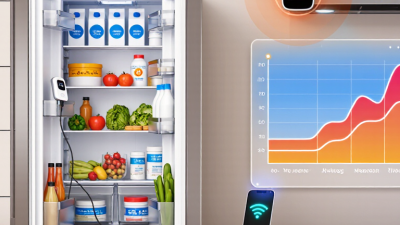
Choosing a reliable fridge temperature alarm supplier can protect food quality, medical stock, and costly inventory. A dependable alarm should detect temperature changes early, send clear notifications, and support accurate records. Small details matter. Battery life matters. Sensor placement matters too.

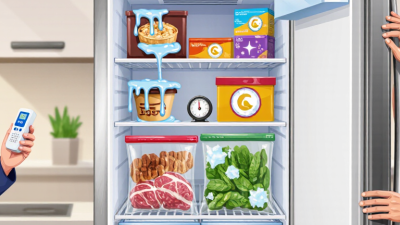
Dr. Ted Labuza, a respected food-safety scientist, observed, “The key to food safety is controlling time and temperature.” His statement explains why a fridge temperature alarm is more than a convenience. It becomes an early warning system when a door remains open, power fails, or cooling equipment weakens. A few degrees can matter. A silent alarm can matter even more.

This guide compares leading fridge temperature alarm suppliers worldwide by sensor accuracy, alert speed, connectivity, installation, and after-sales support. It also considers cloud platforms, Wi-Fi and cellular options, calibration practices, and compatibility with commercial refrigerators. Suppliers serving restaurants may need different features from those supporting laboratories or pharmacies. One model rarely fits every situation.

The comparison is not perfectly simple. Product specifications can change. Regional service quality can vary. Some affordable systems look impressive but provide weak documentation. Others cost more yet offer stronger monitoring and technical assistance. Buyers should test alarms in real conditions, including overnight failures and unstable network coverage. That step is easy to overlook.

The strongest suppliers combine dependable hardware with practical support. They help users respond, not merely receive notifications. This overview aims to identify those differences clearly, while recognizing that no supplier is perfect. Performance depends on proper installation, regular testing, and human follow-through. A warning only helps when someone acts on it.
Top Fridge Temperature Alarm Suppliers Worldwide?

Types of Fridge Temperature Alarms and Their Core Functions

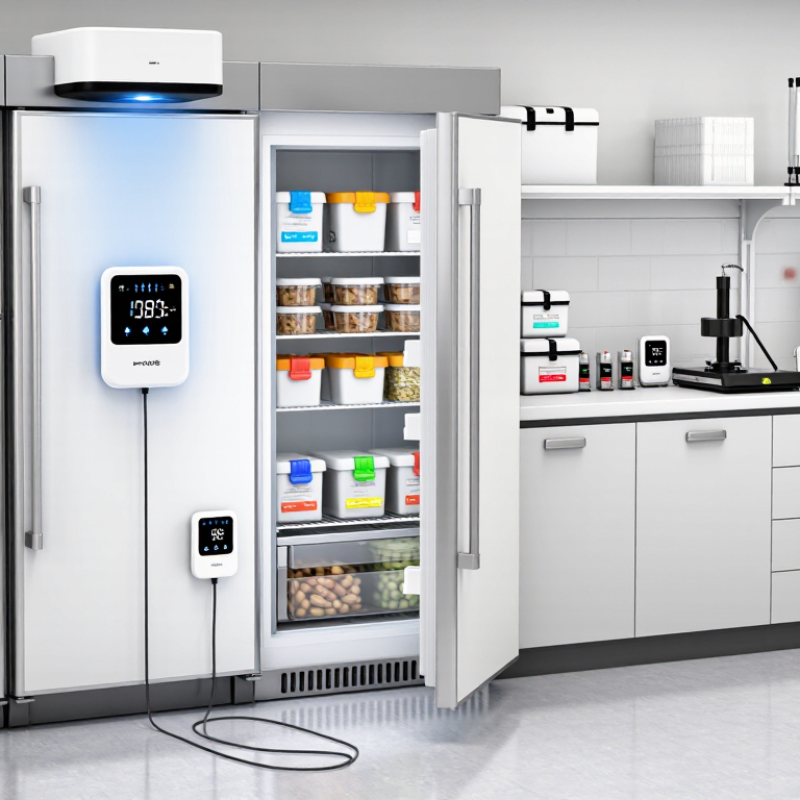
A fridge temperature alarm is not a single device type. Each design supports a different monitoring need, from a home refrigerator to a busy food laboratory. The most common option is a digital probe alarm. It measures internal air temperature and sounds when readings pass a chosen limit. A clear display shows current, minimum, and maximum temperatures.

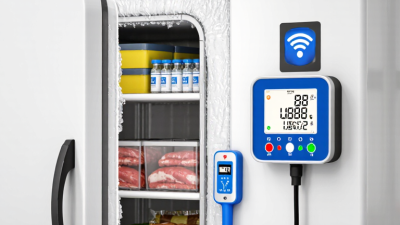
Wireless alarms use a remote sensor and receiver, reducing the need to open the door. This matters when frequent access causes temperature swings. Many models send alerts through Wi-Fi or cellular networks. Staff can receive warnings on a phone when a storage room reaches 8°C overnight.

However, wireless systems depend on signal strength, power, and correct setup. That weakness is easy to underestimate.

Data-logging alarms create a record at fixed intervals, such as every five minutes. Their core function is traceability, especially when temperature history matters more than a single warning. Some systems include door sensors, delayed alerts, low-battery warnings, and probe-failure detection.

Calibration is equally important. A sensor that is consistently one degree inaccurate can create false confidence. In practice, I would compare the probe with a trusted reference thermometer and document the result. Not perfect, but useful. Alarm limits should reflect the stored product, container placement, and normal door activity. A well-designed system should be loud, visible, and simple enough to test during a hurried shift.

Key Criteria for Evaluating Global Temperature Alarm Suppliers

Top Fridge Temperature Alarm Suppliers Worldwide?

Choosing a global temperature alarm supplier requires more than comparing prices. Start with sensor accuracy, calibration records, and operating range. A reliable supplier should provide traceable calibration certificates and clear measurement tolerances. Ask how often sensors require recalibration. Small errors can damage sensitive inventory.

Evaluate alarm performance in realistic conditions. Check alert speed when temperatures rise, fall, or fluctuate repeatedly. Confirm whether alarms remain active during power loss. Battery life matters. So does signal strength inside metal refrigeration units. Suppliers should offer secure data logging, readable reports, and role-based notifications. Their technical team must explain installation without vague answers. Regional service coverage is also important, especially when replacement sensors are needed quickly. Certification claims should be independently verifiable, not just printed in a brochure.

Tips: Request a demonstration using a controlled temperature change. Review sample logs before signing a contract. Test alerts on both mobile devices and desktop systems. Ask for references from facilities with similar storage conditions. Do not overlook software usability; complicated dashboards often reduce response speed. It is also wise to examine warranty limits and data-retention terms. Some suppliers look excellent during demonstrations but provide weak after-sales support. That possibility deserves careful checking. A short pilot may reveal problems that polished presentations hide.

Top Fridge Temperature Alarm Suppliers Worldwide?

Key Criteria for Evaluating Global Temperature Alarm Suppliers

This chart presents a practical 100-point procurement framework for comparing temperature alarm suppliers without ranking or displaying company-specific data. The criteria reflect widely used requirements in cold-chain monitoring, including measurement performance, calibration traceability, alarm reliability, connectivity, compliance documentation, and lifecycle support.

The percentages are evaluation weights rather than market-share or supplier-performance figures. Buyers should verify specifications, calibration certificates, regulatory documentation, network coverage, and service terms before making a purchasing decision.

Leading Fridge Temperature Alarm Suppliers by Region

Fridge temperature alarm suppliers vary by region, because storage practices, service networks, and climate conditions differ. In North America, experienced suppliers often provide wireless sensors, cloud dashboards, and battery alerts for restaurants, laboratories, and medical storage rooms. Buyers should request calibration certificates, replacement timelines, and clear instructions for testing alarms during power failures. Local technical support matters when a refrigerator reaches 8°C overnight.

European suppliers commonly focus on energy efficiency, traceable monitoring, and compact devices for pharmacies, food facilities, and research sites. Many offer documented calibration services and configurable alerts for door openings or temperature drift. A reliable supplier should explain sensor accuracy in plain language. Technical jargon alone is not proof.

In Asia-Pacific, suppliers often provide flexible systems for humid warehouses, mobile monitoring, and large cold-storage networks. Regional installers can reduce response time, especially where internet coverage is uneven. Latin American, Middle Eastern, and African suppliers may emphasize durable hardware, offline alarms, and practical maintenance training. These features can matter more than a polished dashboard. No supplier fits every site. That assumption can fail. Ask how the alarm performs after months of condensation, frequent door movement, and delayed staff response. A trial installation, recent calibration record, and named support contact provide stronger evidence than promotional claims. Temperature alarms protect products only when people test them, hear them, and act quickly.

Top Fridge Temperature Alarm Suppliers Worldwide? - Leading Fridge Temperature Alarm Suppliers by Region

Regional comparison of typical refrigerator temperature-alarm supplier capabilities for medical, laboratory, pharmaceutical, and food-storage applications

Region Typical Temperature Range Common Alarm Functions Common Compliance References Typical Supplier Capabilities Procurement Considerations
North America Medical and vaccine refrigerators are commonly monitored at 2–8°C. Other laboratory and food applications may use different validated limits. High/low temperature alerts, power-failure notification, door-open alarm, audible and visual indicators, battery backup, and cloud or cellular notifications. CDC vaccine-storage guidance, FDA-regulated quality systems where applicable, NIST-traceable calibration, and UL/CSA-related electrical requirements depending on the installation. Standalone digital alarms, wired probes, wireless sensors, data logging, remote dashboards, calibration certificates, and multi-site monitoring platforms. Confirm probe placement, calibration interval, notification escalation, cellular coverage, cybersecurity controls, and compatibility with local electrical requirements.
Europe Pharmaceutical and healthcare refrigerators commonly operate within 2–8°C when required by the stored product and validated process. Two-level high/low alarms, delayed door alarms, mains-failure alerts, temperature history, user access control, and remote notification. EU Good Distribution Practice principles, EN 12830 for temperature-recording equipment where applicable, EN 13486 verification requirements, and CE-related conformity obligations. Wireless monitoring, Ethernet and cellular gateways, audit trails, electronic reports, sensor calibration, and integration with building or quality-management systems. Check GDPR requirements for personal data, language options, EU declarations of conformity, documented calibration, and validation support.
Asia-Pacific A 2–8°C monitoring range is widely used for refrigerated medicines, vaccines, and laboratory materials, subject to product-specific requirements. Local audible alarms, SMS or mobile alerts, temperature logging, power interruption detection, door monitoring, and optional gateway-based remote access. National cold-chain rules, WHO technical guidance where adopted, ISO 17025 calibration practices, and local electrical and radio-equipment regulations. Cost-effective digital alarms, wireless sensor networks, export-oriented data loggers, cloud platforms, custom probes, and OEM or private-label production. Evaluate regional service coverage, mobile-network compatibility, English-language documentation, calibration traceability, and software data-export formats.
Latin America Refrigerated healthcare storage commonly uses a validated 2–8°C range; food, blood, and laboratory applications may require separate limits. High/low temperature warnings, audible and visual alarms, power-loss alerts, minimum/maximum memory, and optional SMS or cloud notifications. National health-authority requirements, WHO cold-chain guidance, local metrology rules, and applicable electrical-safety and radio-communication standards. Standalone alarms, cellular monitoring, rechargeable backup batteries, rugged probes, data logging, and distributor-supported installation services. Prioritize local technical support, Spanish or Portuguese documentation, backup communication methods, voltage compatibility, and replacement-sensor availability.
Middle East Healthcare and pharmaceutical refrigerators frequently use 2–8°C limits, with additional attention to ambient heat and cooling-system performance. High/low alarms, door-open detection, compressor or power-failure alerts, remote GSM or cellular notifications, and battery-backed operation. National pharmaceutical-storage rules, WHO good-storage guidance where applicable, ISO 9001 quality systems, and local conformity requirements. High-ambient-rated equipment, cellular monitoring, remote alarm escalation, voltage protection, data logging, and installation commissioning. Verify operating-temperature ratings, air-conditioning dependency, SIM or network support, surge protection, and availability of regional maintenance personnel.
Africa A validated 2–8°C range is common for vaccine and medicine storage, while frequent power interruptions may require additional protection. Temperature alarms, mains-failure alerts, battery backup, SMS notification, door-open monitoring, minimum/maximum recording, and optional solar or generator integration. WHO vaccine-management guidance, national immunization-program requirements, local calibration rules, and applicable electrical-safety standards. Low-power wireless sensors, GSM-based alerts, rugged data loggers, solar-compatible monitoring, offline data storage, and remote technical support. Assess network availability, battery autonomy, solar compatibility, local installation skills, spare-part logistics, and offline alarm functionality.
Oceania Healthcare refrigerators commonly monitor 2–8°C, with requirements varying by state, territory, product type, and facility procedure. Audible and visual alarms, remote monitoring, door-open warnings, power-failure alerts, calibration reminders, and downloadable temperature records. Australian and New Zealand cold-chain guidance, local electrical-safety requirements, ISO 17025 calibration practices, and documented equipment validation. Wireless and cellular systems, cloud reporting, calibration services, integration with facility networks, and long-term data retention. Check regional service response, data-hosting location, network compatibility, calibration documentation, and compliance with facility cybersecurity policies.

Important Selection Notes

  • Temperature limits must be set according to the stored product, validated storage procedure, and applicable local regulations.
  • For regulated applications, request calibration records traceable to a recognized national or international measurement standard.
  • Confirm alarm response time, sensor accuracy, battery autonomy, data retention, access control, and notification redundancy before purchase.
  • The 2–8°C range is widely used for refrigerated medicines and vaccines, but it should not be treated as a universal requirement for every refrigerator.

Reference basis: publicly available guidance from international cold-chain and good-storage-practice frameworks, regional health authorities, measurement laboratories, and applicable temperature-monitoring standards. Requirements should be verified against the current rules of the destination country.

Product Features, Standards, and Monitoring Technologies

Top Fridge Temperature Alarm Suppliers Worldwide

Choosing a reliable fridge temperature alarm supplier requires more than comparing prices. In field inspections, practical design often matters most. A clear display, strong probe, and loud local alarm support quick action. Look for adjustable temperature limits, door-open alerts, low-battery warnings, and backup memory. A calibrated sensor should record readings at regular intervals. Technicians also need simple access during cleaning and maintenance. Small details matter.

Standards help separate dependable equipment from attractive claims. Suppliers should provide calibration certificates and documented quality procedures. Many buyers also check EN 12830 for temperature-recording performance. Healthcare users may require audit trails and electronic records that support applicable data-integrity rules. Requirements differ by country and application. Ask for test reports, operating ranges, and sensor accuracy under real conditions. Marketing language alone is weak evidence.

Modern monitoring systems may use Wi-Fi, cellular networks, or local gateways. Cloud dashboards can show several storage locations on one screen. Email, text, and app alerts can reduce response time. However, connectivity is not guaranteed inside thick insulated rooms. A system should store data locally during signal loss. Battery backup is equally important during power cuts. I still question suppliers that promise effortless installation. Every site has dead zones, unstable power, and busy staff. A short trial with a calibrated reference thermometer may reveal more than a polished demonstration.

How to Select a Suitable Worldwide Temperature Alarm Supplier

Selecting a worldwide temperature alarm supplier requires more than comparing sensor prices. Start with the storage range, alarm tolerance, and response plan. The U.S. FDA Food Code recommends cold holding at 5°C or below. The CDC advises keeping refrigerated vaccines between 2°C and 8°C. These figures show why a small calibration error can damage sensitive inventory.

Look for suppliers that provide traceable calibration certificates, documented accuracy, and clear measurement intervals. ISO/IEC 17025 calibration evidence is valuable, especially for medical, laboratory, and food applications. Check whether alarms continue during internet outages. Battery duration matters too. A silent alert is useless. The World Health Organization’s vaccine management guidance stresses continuous temperature monitoring and documented corrective action. Ask for audit trails, escalation rules, local technical support, and replacement procedures. Global coverage sounds impressive, but slow service can expose a refrigerator to hours of risk.

Tips: Request a sample alarm report before signing. Test alerts at the actual installation site, including weak-signal areas. Confirm the stated accuracy across your working range, not only at room temperature. Ask who recalibrates the device and how often. A supplier may promise 24-hour support, yet define “response” loosely. Clarify whether it means an automated notification, a human callback, or on-site assistance. Also review data ownership and export formats. Cloud dashboards are convenient, but they are not a complete contingency plan. Supplier selection remains imperfect; even a precise sensor cannot compensate for poor door discipline or delayed staff action.