China Top 10 Fridge Temperature Monitor Manufacturers
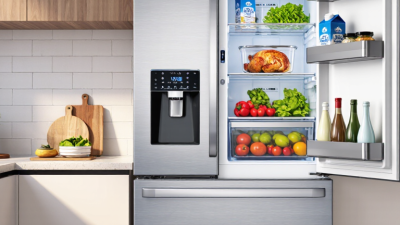
A reliable cold chain begins with one quiet question: what is the actual temperature inside the refrigerator? A fridge temperature monitor answers it continuously, instead of relying on a brief glance at a built-in dial. This matters in restaurants, pharmacies, supermarkets, laboratories, and household kitchens. Food stored above 4°C for too long may lose quality before anyone notices. A small sensor, placed near the warmest shelf, can reveal that risk through an app alert, data log, or visible display.
The global cold-chain monitoring market is expanding with digital sensors, wireless connectivity, and cloud analytics. MarketsandMarkets has identified real-time monitoring and IoT integration as major growth drivers in temperature monitoring. Grand View Research also reports increasing demand for connected monitoring across food and healthcare logistics. These reports do not prove that every Chinese supplier offers equal performance. They show why careful comparison is necessary. It is easy to confuse a low price with dependable measurement.
Food-safety researcher Dr. Benjamin Chapman has emphasized, “A thermometer is the only way to know if your refrigerator is at the proper temperature.” That practical point guides this review of China’s top 10 fridge temperature monitor manufacturers. The comparison considers sensor accuracy, calibration evidence, alarm response, battery life, software usability, certifications, and after-sales support. Some products look impressive on a product page. Real kitchens are less forgiving. Doors open repeatedly, ice forms around evaporator areas, and wireless signals weaken behind metal panels. A credible manufacturer must address these ordinary problems, not merely list technical specifications.
Cold-Chain Role of Refrigerator Temperature Monitors at 0–5°C
China Top 10 Fridge Temperature Monitor Manufacturers
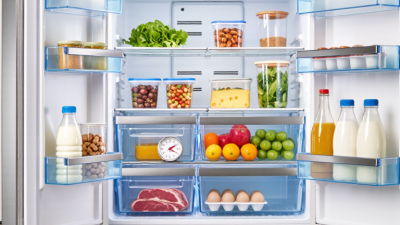
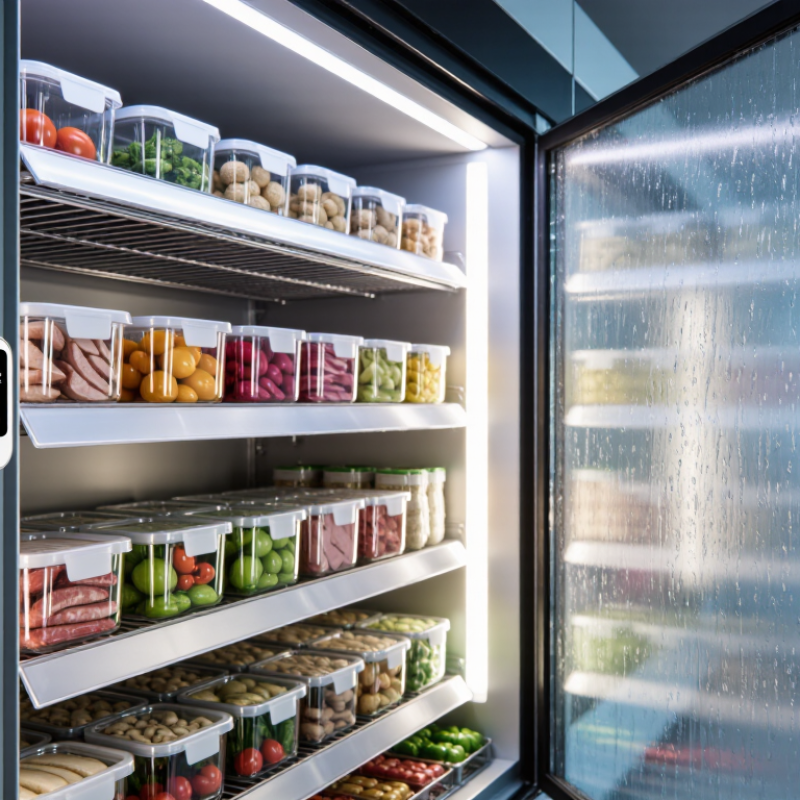
At 0–5°C, a refrigerator is not simply cold; it must remain stable. The FDA Food Code 2022 recommends holding many refrigerated foods at 5°C or below. A temperature monitor records whether that limit survives door openings, power interruptions, and crowded shelves.
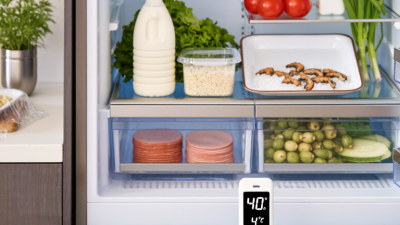
Small drift matters. In cold-chain operations, probes should sit near the stored products, not beside the cooling outlet. WHO Technical Report Series No. 961, Annex 9, emphasizes qualified monitoring equipment, calibration, and documented temperature control for time-sensitive products. A useful monitor should therefore provide visible readings, high and low alarms, time-stamped records, and battery protection. Data beats memory.
Industry audits often expose a practical weakness: staff may check a display once per shift, while temperature changes occur within minutes. Continuous logging can reveal a warm zone after repeated door opening or a cold spot near the evaporator. The UNEP Food Waste Index 2024 reported 1.05 billion tonnes of food waste in 2022, showing why preventable storage losses deserve attention. Yet sensors are not magic. Incorrect placement, delayed alarm response, or poor calibration can still produce false confidence. Chinese manufacturers serving this market should test monitors under loaded, real-use conditions, rather than relying only on laboratory stability. That distinction is easy to miss.
China’s Top 10 Manufacturers by Product Type and Application
China’s top 10 fridge temperature monitor manufacturers are best compared by product type and application, not advertising claims. Their product ranges commonly include digital thermometers, USB data loggers, wireless sensors, and cloud-connected monitoring systems. Each type serves a different working environment.
Digital thermometers suit household refrigerators, retail displays, and small food businesses. USB data loggers support transport checks and provide stored records for later review. Wireless systems help hospitals, laboratories, and large cold rooms track temperature remotely. Some manufacturers also produce multi-probe devices for freezers, pharmaceutical storage, and research equipment. Important specifications include sensor accuracy, alarm response, battery life, calibration support, and operating range.
Tips: Match the monitor to the application first. A simple display may suit daily kitchen checks. A cloud system may be necessary for several storage rooms. Ask for calibration certificates and test records. Check whether alarms remain active during network failure. IP protection is useful in humid storage areas. Do not judge accuracy from a product image alone.
In practical purchasing, installation details matter as much as the device itself. Probe placement near the door can create misleading readings. A sensor placed beside a cooling outlet may also record unusually low temperatures. Factory claims can be clear, but independent testing is still valuable. Some suppliers offer strong hardware yet provide weak software support. That gap deserves attention. Temperature monitoring is not just a device choice; it is a routine control process.
Comparing ±0.5°C Accuracy, Alarm Response, and Cloud Connectivity
China Top 10 Fridge Temperature Monitor Manufacturers
When comparing China’s top ten fridge temperature monitor manufacturers, ±0.5°C accuracy deserves careful testing. The CDC Vaccine Storage and Handling Toolkit recommends digital data loggers with ±0.5°C accuracy for vaccine units. This benchmark matters because a refrigerator display can show 5°C while the rear shelf reaches 8°C. I would request calibration certificates, sensor placement records, and results from independent testing.
Alarm response is equally important. A temperature warning arriving after ten minutes may already signal product risk. The WHO’s Vaccine Management Handbook stresses continuous monitoring, documented excursions, and rapid corrective action. Therefore, compare alarm latency under real conditions: door opening, power loss, weak cellular coverage, and sensor disconnection. Short tests can mislead. Cold rooms behave differently during overnight loading.
Cloud connectivity improves traceability, but it is not automatically reliable. A 2023 WHO/UNICEF cold-chain assessment highlighted persistent gaps in equipment maintenance, data quality, and electricity reliability across many health systems. Strong monitors should store readings locally, resend missing records, and show clear audit trails. Look for encrypted transmission, role-based access, and exportable reports. A dashboard that looks impressive may still fail during a network outage. Manufacturers should disclose battery life, sampling intervals, calibration drift, and alarm escalation rules. These details often reveal more than a polished specification sheet.
China Top 10 Fridge Temperature Monitor Manufacturers - Comparing ±0.5°C Accuracy, Alarm Response, and Cloud Connectivity
| Rank |
Anonymous Manufacturer Profile |
Temperature Accuracy |
Sensor Resolution |
Typical Alarm Response |
High/Low Alarm |
Cloud Connectivity |
Data Export |
Battery Backup |
Typical Applications |
| 1 |
Profile A — Commercial Cold-Chain Specialist |
±0.5°C |
0.1°C |
≤30 sec |
Yes |
Wi-Fi / 4G |
CSV / PDF |
Up to 24 h |
Medical, food, laboratory storage |
| 2 |
Profile B — IoT Monitoring Manufacturer |
±0.5°C |
0.1°C |
≤60 sec |
Yes |
Wi-Fi / NB-IoT |
CSV / API |
Up to 12 h |
Retail refrigerators, warehouses |
| 3 |
Profile C — Wireless Data Logger Producer |
±0.5°C |
0.1°C |
≤60 sec |
Yes |
Bluetooth / Wi-Fi |
CSV |
Up to 6 months |
Domestic and commercial refrigerators |
| 4 |
Profile D — Pharmacy Refrigeration Monitor Supplier |
±0.5°C |
0.1°C |
≤30 sec |
Yes |
4G / Ethernet |
PDF / API |
Up to 24 h |
Pharmacies, hospitals, vaccine storage |
| 5 |
Profile E — Food-Service Temperature Control Supplier |
±0.5°C |
0.1°C |
≤60 sec |
Yes |
Wi-Fi |
CSV |
Up to 12 h |
Restaurants, supermarkets, catering |
| 6 |
Profile F — Industrial Sensor Integrator |
±0.5°C |
0.1°C |
≤60 sec |
Yes |
Ethernet / 4G |
CSV / API |
Up to 24 h |
Distribution centers, cold rooms |
| 7 |
Profile G — Compact Retail Monitor Manufacturer |
±0.5°C |
0.1°C |
≤60 sec |
Yes |
Bluetooth / Wi-Fi |
CSV |
Up to 6 months |
Display refrigerators, small stores |
| 8 |
Profile H — Laboratory Monitoring Equipment Supplier |
±0.5°C |
0.1°C |
≤30 sec |
Yes |
Wi-Fi / Ethernet |
PDF / CSV |
Up to 24 h |
Research laboratories, specimen storage |
| 9 |
Profile I — OEM Refrigeration Electronics Producer |
±0.5°C |
0.1°C |
≤60 sec |
Yes |
Optional Wi-Fi / 4G |
CSV / API |
Optional |
Refrigerator OEM integration, equipment builders |
| 10 |
Profile J — Entry-Level Cold Storage Monitor Supplier |
±0.5°C |
0.1°C |
≤120 sec |
Yes |
Bluetooth |
CSV |
Up to 6 months |
Household refrigerators, basic inventory control |
Note: Anonymous profiles are used to avoid displaying company or brand information. Technical specifications should be verified against the supplier’s latest datasheet, calibration report, and connectivity documentation before purchase.